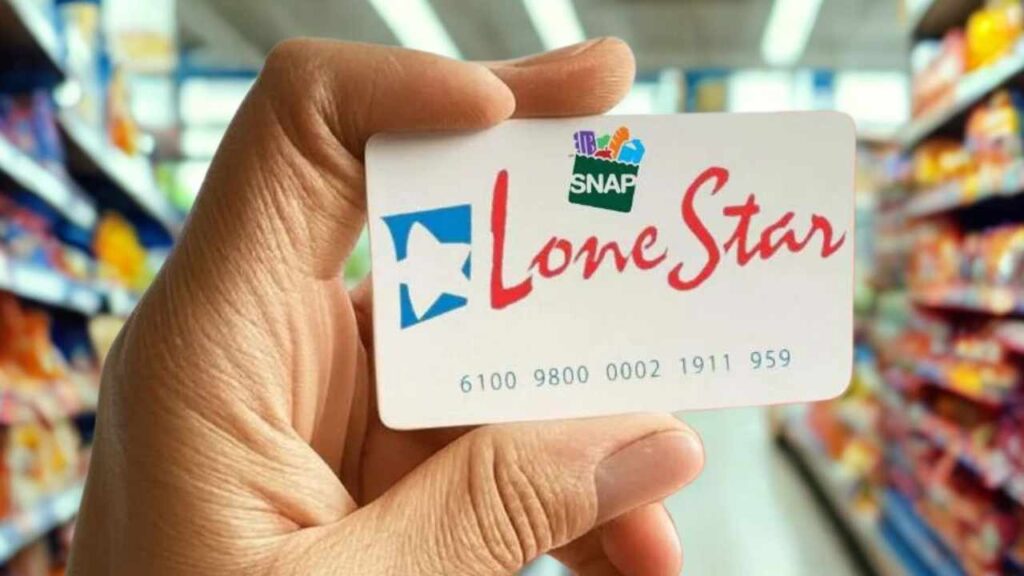
On April 1, 2026, millions of Texans who rely on federal food assistance benefits, via SNAP benefits, will find a tangible difference at the checkout. The restrictions that take effect that day are not a minor procedural change: they are the most significant transformation the SNAP program has undergone in Texas in decades, and businesses across the state are racing against the clock to update their systems before the bell rings.
Governor Greg Abbott requested a special exemption from the U.S. Department of Agriculture (USDA) to modify which products can be purchased with the Lone Star Card, the card used by SNAP beneficiaries in Texas. The USDA approved that request in August 2025, and the Trump administration supported the process from the beginning.
The SNAP Change Hitting Texas Stores April 1st
Abbott said that by implementing these changes, Texas is trying to encourage better nutrition and ensure this program helps families access nutritious food. He also thanked the Trump Administration and the Texas Health and Human Services Commission for their work to strengthen this program and better serve Texans.
Behind that statement are approximately 3.5 million people. That’s the number of Texans who receive monthly SNAP benefits and who, starting in April, will no longer be able to use those funds to buy candy, gum, or sugary drinks.
The ban applies to any non-alcoholic, water-based beverage containing five grams or more of added sugar, or any amount of artificial sweetener. Also excluded are candied, crystallized, glazed, or chocolate-covered fruits, raisins, and nuts, as well as yogurt or caramel-covered treats.
Texas Just Rewrote the Rules on What You Can Buy With SNAP Benefits
What remains permitted is relevant to understanding the true scope of the measure. Chips, popcorn, baked goods, frozen pizzas, and processed foods in general continue to be eligible, as long as they don’t fall under the new definition of sweets or sugary drinks.
Milk-based beverages, their plant-based substitutes like soy or rice milk, and juices made with more than 50% fruit or vegetables are also not restricted. The scope of the ban, then, is specific, but its consequences on supermarket aisles will be visible from day one.
For retailers, the challenge is both technical and urgent. Two bottles that look nearly identical on the shelf can be treated differently at the checkout if one contains artificial sweetener and the other doesn’t, even if both are marketed as “light” or low-calorie beverages.
The Texas Health and Human Services Commission (HHSC) has taken on the task of training retailers and communicating the changes before the deadline. In practice, some products will display “prohibited item” messages at checkout, including on online shopping platforms.
The Times of the Prohibitions on SNAP Non-Eligible Items
The project has a formal duration of two years, from April 1, 2026, to March 31, 2028, and the USDA required, as a condition, that Texas survey beneficiaries before and after its implementation to measure whether the changes lead to different food choices.
The results of that evaluation will carry political weight beyond the state’s borders: if the Texas model shows favorable data, more states will adopt it. If the numbers tell a different story, the debate about what can and cannot be purchased with government assistance will return to the forefront with renewed force.