The federal government eliminated Direct File, the program that allowed taxpayers to file taxes for free, after less than two years of operation. The move left millions of taxpayers searching for other options to meet their tax obligations to the Internal Revenue Service (IRS).
The Trump administration suspended the program, citing “low participation” and relatively “high costs” to the federal government. According to official records, the estimated cost of the tool was $41 million, which equates to approximately $138 per processed return. This figure was used as the central argument to justify shutting down a tool that had been operating for less than two years.
The Alternatives That the IRS Keeps Active
Despite the figures presented by the administration to justify its decision, the Government Accountability Office documented that 90% of taxpayers who used the tool gave it top marks. The gap between user satisfaction and the political decision defined the public debate surrounding the program’s closure.
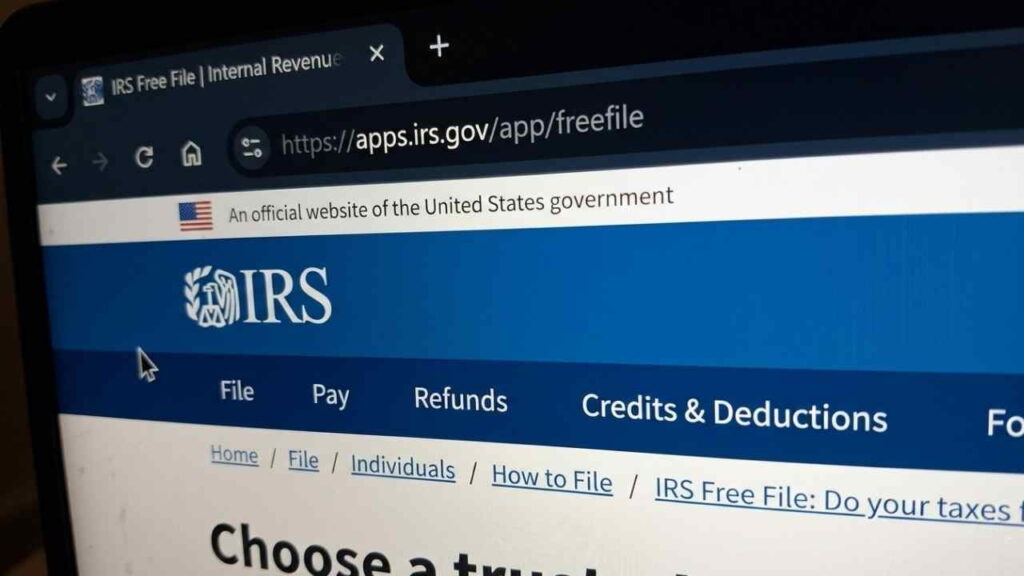
IRS Free File is now the leading option for taxpayers looking to fulfill their tax obligations without paying for the service. The program, which has been operating for over 20 years, allows eligible taxpayers to use guided software to file their returns through IRS-certified partners at no cost.
Who Can Use IRS Free File?
For the 2026 tax season, the program has eight trusted partners available. Eligibility is determined by adjusted gross income: taxpayers who report $89,000 or less qualify for the free service.
However, access to Free File has not been without documented problems. Well over 14 million eligible individuals paid to file their returns in 2020, unaware that they could do so for free. Some of the companies participating in the program were penalized for actively steering users toward paid products instead of informing them about the free options to which they were entitled.
Assistance Programs for Filing Tax Returns at No Cost
The IRS maintains the VITA program, short for Volunteer Income Tax Assistance, which offers free tax preparation to specific segments of the population. The service is available to individuals who generally earn $67,000 or less annually, to people with disabilities, and to taxpayers with limited English proficiency.
The program operates through IRS-certified volunteers who are able to prepare and electronically file both federal and state tax returns, and the service is generally provided in person.
For older taxpayers, there is the Tax Counseling for the Elderly (TCE) program, which operates in partnership with the AARP Foundation’s Tax-Aide program. This service offers free assistance from pension specialists and retirement-related professionals, and is specifically geared toward individuals 60 years of age and older.
The service runs from February 1 to April 15. Interested taxpayers can locate their nearest provider through the AARP website or by calling 888-227-7669.
A third available option is Free Fillable Forms, which are the digital version of IRS paper forms. Unlike guided tools, these forms do not include step-by-step guidance: the taxpayer must enter the information and perform the calculations independently, without any automated support.
Pressure From Private Companies and Scrutiny From Congress
The closure of Direct File did not occur in a political vacuum. Companies like TurboTax and H&R Block had actively lobbied against the program since its launch, given that a free tool administered directly by the government represented direct competition for their commercial products. Opposition to the program was also expressed institutionally among Republican lawmakers in Congress.
The decision to shut down the program came under formal scrutiny from Democratic lawmakers. Senators Elizabeth Warren and Angus King launched an investigation into the measure. As part of that investigation, they also questioned how companies participating in Free File use taxpayers’ tax information, a point that has yet to receive an official public response.