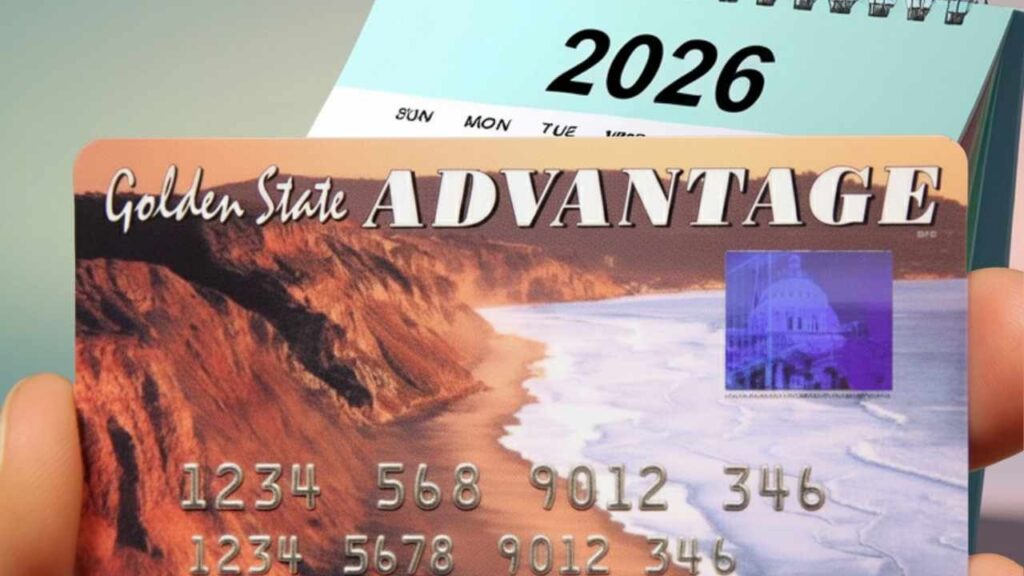
A quiet but seismic shift is underway in California’s foundational hunger prevention program: CalFresh benefits. As hundreds of thousands of families check their EBT cards for the modest 2.1% cost-of-living increase that took effect last October, far more consequential changes are rolling out, dictated by new federal law and state budget pressures.
The year 2026 marks a defining moment for CalFresh, the state’s version of SNAP, where incremental benefit adjustments are overshadowed by structural overhauls to eligibility, work rules, and the very philosophy of the assistance program.
CalFresh Is Changing: Tightening Work Requirements
For a single mother in any Californian neighborhood, the extra $6 in her monthly maximum allotment—now $298—is a welcome help at the grocery checkout. Yet, she may be unaware that the rules determining her continued eligibility are being rewritten.
The most significant driver is the federal “One Big Beautiful Bill Act” (H.R. 1), signed into law in July 2025, which proponents argue promotes self-sufficiency, but critics call the most severe cut to food assistance in decades.
ABAWDs Face Changes to Their Eligibility
The centerpiece of the new regime is a dramatic expansion of time limits for “able-bodied adults without dependents” (ABAWDs). Previously affecting adults aged from 18 to 54, the work mandate now extends to all recipients up to age 64.
They must prove they are working or in training for at least 80 hours a month to receive benefits for more than three months in a 36-month period.
“This isn’t just tweaking a rule; it’s a fundamental change in who we believe deserves to eat,” said a policy advocate with the California Food Banks network, which estimates over 300,000 additional Californians are now at risk of losing benefits under this expansion.
Notably, exemptions once granted to vulnerable groups like veterans, people experiencing homelessness, and youth aging out of foster care have been scrapped. The only reprieve: the time limit excuse now applies to households with a child under 14, raised from under 18.
The Hidden Cuts: Deductions and Immigrant Eligibility
Beyond the headlines, technical adjustments are silently reducing benefits. A critical change affects the Standard Utility Allowance (SUA), a deduction that lowers countable income and boosts benefits.
Starting in late 2025, only households with a member over 60 or with a disability can qualify for the full SUA without having separate heating or cooling costs. An estimated 444,000 households will see their benefits reduced because of this change.
Furthermore, eligibility is being severed for many lawfully present immigrants. Starting April 1, 2026, only Lawful Permanent Residents, Cuban/Haitian entrants, and individuals under the Compact of Free Association will qualify. This cuts off access for asylum seekers, refugees, and trafficking survivors, a move expected to strip benefits from approximately 74,000 noncitizens.
State-Level Adjustments to CalFresh
Simultaneously, California is implementing its own adjustments. A one-year trial, effective December 2025, guarantees a minimum $60 monthly benefit for households of two or more where all members are over 60 or have a disability. This state-level experiment in equity contrasts with the federal pullback.
The administrative and financial burden is also shifting. Starting in October 2026, the federal government will cover only 25% of CalFresh’s administrative costs, down from 50%, potentially straining county offices that process applications and benefits.
Dates and Amonts for the CalFresh Benefits
Before we go, don’t forget the monthly calendar, that goes from the 1st to the 10th day, every month the same: the last digit of your case number determines what date you’ll get your money on. So, if your digit is 1, you’ll be deposited on the 1st, and so on.
The maximum possible CalFresh benefits for Fiscal Year 2026 are based on household size, ranging from $298 for one person to $1,789 for eight people, with an additional $218 for each extra member; however, the actual amount a household receives is determined by its specific income, size, and allowable deductions.