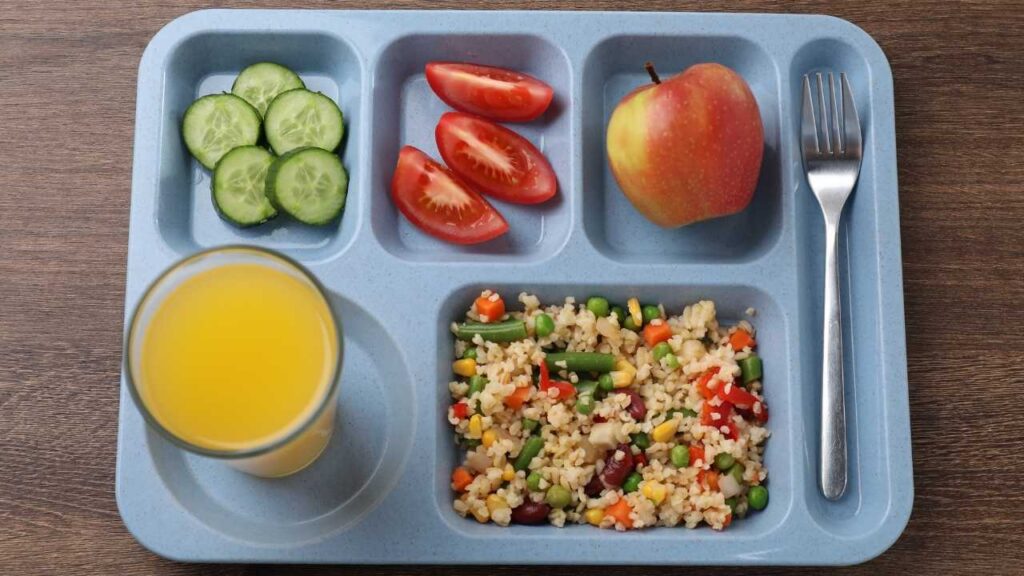
Come summer, millions of low-income kids suddenly lose two meals they’d normally get at school. Not because their families did anything wrong—just because the school year ends. Those free breakfast and lunch programs? They stop when the last bell rings. And here’s the thing most people miss: a lot of those families already depend on SNAP benefits.
But SNAP alone doesn’t always cover the gap. Those school meals aren’t just nice to have—they’re part of the weekly food budget. That’s where SUN Bucks comes in. It’s the feds’ answer to the summer meal gap, and heading into summer 2026, the program is bigger than ever—this is its third year running. Let me break down exactly what you get, who qualifies, and most importantly, what families need to do before benefits stop in September.
What exactly is SUN Bucks? Is it related to SNAP benefits?
SUN Bucks is the official name for the Summer Electronic Benefit Transfer (EBT) program. It’s run by the USDA’s Food and Nutrition Service. Back in 2024, it became permanent law under Public Law 117-328, Section 502. That replaced the old Pandemic EBT, which expired in 2023.
How it works is simple: it’s just like SNAP, and it’s actually related to the food stamps system. Money gets loaded onto an EBT card, and you can spend it at grocery stores, farmers markets, and some online retailers. No, receiving SUN Bucks does not cut your regular SNAP benefits. It’s not counted as income for any federal program, and it has zero impact on immigration status.
It’s not technically part of SNAP, but they’re tightly linked. If you’re already on SNAP, you’re automatically enrolled in SUN Bucks. In most states, the money just lands on your existing SNAP card.
How much money are we talking?
For summer 2026, the standard benefit is $120 per eligible child, paid as a lump sum. Some states split it into three $40 payments over June, July, and August—just depends where you live.
There are two exceptions:
- Hawaii families get $189 per child.
- U.S. territories (Puerto Rico, Guam, American Samoa, USVI, Northern Mariana Islands) get $180 per child.
Why the difference? Cost of living. The USDA uses the same Thrifty Food Plan that sets annual SNAP levels. The $120 figure for 2026 was confirmed back in January.
Which states are in for 2026?
Thirty-nine states plus Washington D.C. are participating this summer. Iowa is joining for the first time in 2026. All five U.S. territories are in, along with several tribal nations.
Here’s the full list of participating states: Alabama, Arizona, Arkansas, California, Colorado, Connecticut, Delaware, Hawaii, Illinois, Iowa, Kansas, Kentucky, Louisiana, Maine, Maryland, Massachusetts, Michigan, Minnesota, Missouri, Montana, Nebraska, Nevada, New Hampshire, New Jersey, New Mexico, New York, North Carolina, North Dakota, Ohio, Oregon, Pennsylvania, Rhode Island, Vermont, Virginia, Washington, West Virginia, Wisconsin, Wyoming, and D.C.
Not participating this summer (12 states): Alaska, Florida, Georgia, Idaho, Indiana, Mississippi, Oklahoma, South Carolina, South Dakota, Tennessee, Texas, and Utah. Utah was in last year (2025) but dropped out for 2026.
Big caveat for Oklahoma residents: the state opted out, but five tribal nations are running their own Summer EBT programs—Cherokee, Chickasaw, Choctaw, Muscogee (Creek), and Otoe-Missouria. You don’t need to be a tribal member. Any eligible child living or attending school on those tribal lands can get benefits.
Who qualifies for SUN Bucks?
Eligibility is per child (not per household), covering grades K through 12. A child qualifies automatically—no application needed—if any of these apply between July 1, 2025 and August 31, 2026:
- The household got SNAP benefits or TANF at any point in that window, and the child attends a school that participates in the National School Lunch Program (NSLP) or School Breakfast Program (SBP).
- Kids in SNAP benefits or TANF households who go to non-participating schools (some private schools, homeschools) may still qualify if they’re between ages 6 and 18.
- Kids on Medicaid with qualifying income for NSLP/SBP are auto-enrolled in most participating states.
Households getting benefits through the Food Distribution Program on Indian Reservations (FDPIR) also qualify without an application.
For everyone else, most states have an application process. You’ll typically need the child’s name, birth date, school name, and proof of household income. Deadlines vary by state—some as early as early August, others up to September 8, 2026.
When do benefits arrive? And what should you do right now?
Most states are sending out benefits between May and September 2026.
- Louisiana and North Dakota started mid-May.
- New York, Oregon, and Maine are issuing in June.
- Pennsylvania is distributing as late as mid-August.
If you’re automatically enrolled, check your EBT card between late May and early June in most states. More distributions will roll out through the summer as applications get processed and more kids become eligible through SNAP or Medicaid.