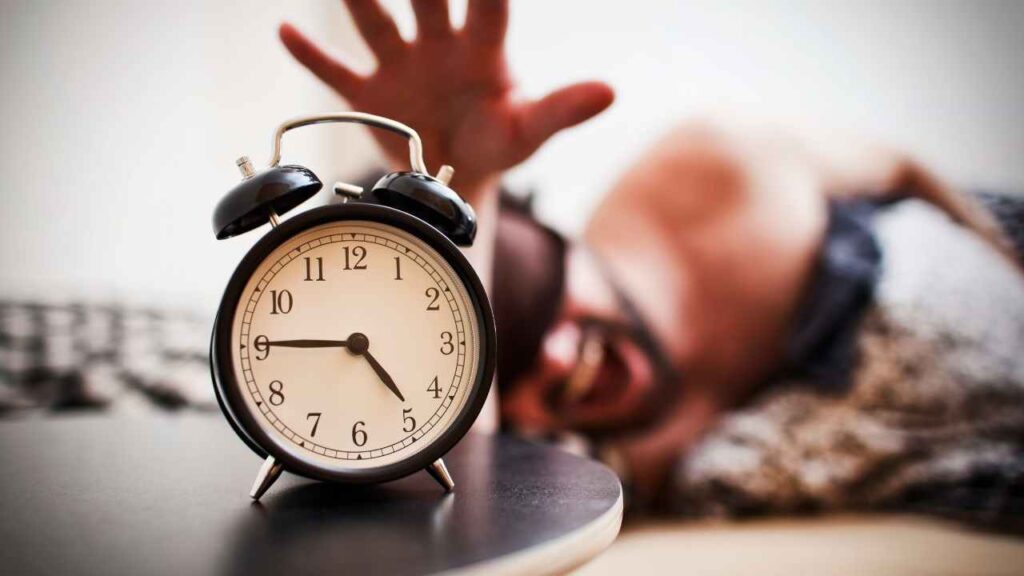
Every spring, tens of millions of Americans lose an hour of sleep without anyone asking their opinion. This year it happens on March 8, when clocks jump from 2:00 a.m. straight to 3:00 a.m., kicking off Daylight Saving Time on the earliest date the law allows. Most people will wake up that Sunday slightly groggy, an hour short, with a little extra evening light to show for it.
The second Sunday of March became the official start date under the Energy Policy Act of 2005, and in 2026 that lands on March 8 — the earliest the calendar permits. The arrangement holds until November 1, when the whole thing reverses and standard time returns.
Daylight Saving Time 2026: America Is About to Lose an Hour of Sleep
You’d think a practice this universally complained about would be easy to kill. It hasn’t been. In Washington, the question of whether to abolish the twice-yearly clock change has spent years going nowhere in particular.
The so-called Sunshine Protection Act, reintroduced in early 2025 as H.R. 139, would lock the country into permanent Daylight Saving Time — no more falling back, no more springing forward. It’s been sitting in committee ever since, which is roughly where good intentions go to wait indefinitely.
Trump Says the Time Change Must Go
Even the White House has weighed in. Donald Trump called the current system “stupid” and said he wants it gone, though he hasn’t been specific about which permanent time he’d prefer. That ambiguity turns out to matter quite a bit.
Senator Tom Cotton of Arkansas, a Republican, has made the case against permanent DST with unusual force. His argument isn’t really about convenience (it’s about biology). Standard time, he says, keeps morning light where it belongs: in the morning.
Dark winter mornings under permanent daylight saving time mean kids waiting for school buses in the dark, workers commuting before sunrise, and circadian rhythms thrown off in ways that accumulate quietly over months. Cotton wants to freeze the clocks, just on the other setting.
The Fight to Kill Daylight Saving Time Forever
That disagreement — permanent DST versus permanent standard time — is a big part of why nothing has passed. About 19 states, Florida and Texas among them, have already approved legislation to stay on daylight saving time year-round. None of it takes effect until Congress acts. So the states wait, the bills stall, and twice a year everyone moves their clocks anyway.
Doctors have been making noise about this for a while. Researchers at the Johns Hopkins Bloomberg School of Public Health have pointed to spikes in strokes, heart attacks, and workplace accidents in the days immediately following the spring change. Losing an hour of sleep sounds trivial. The data suggests otherwise.
Two States and Several Territories Don’t Change Their Clocks
A few places have opted out of the whole thing entirely. Arizona, Hawaii, and the territories — Puerto Rico, Guam, the U.S. Virgin Islands, American Samoa, the Northern Mariana Islands — don’t observe Daylight Saving Time at all. For them, March 8 is just a Sunday.
The Navajo Nation, which stretches across parts of Arizona, follows DST; the Hopi Reservation, surrounded by Navajo land, does not. It’s a minor logistical absurdity that somehow feels appropriate for a policy debate that has never quite managed to resolve itself.