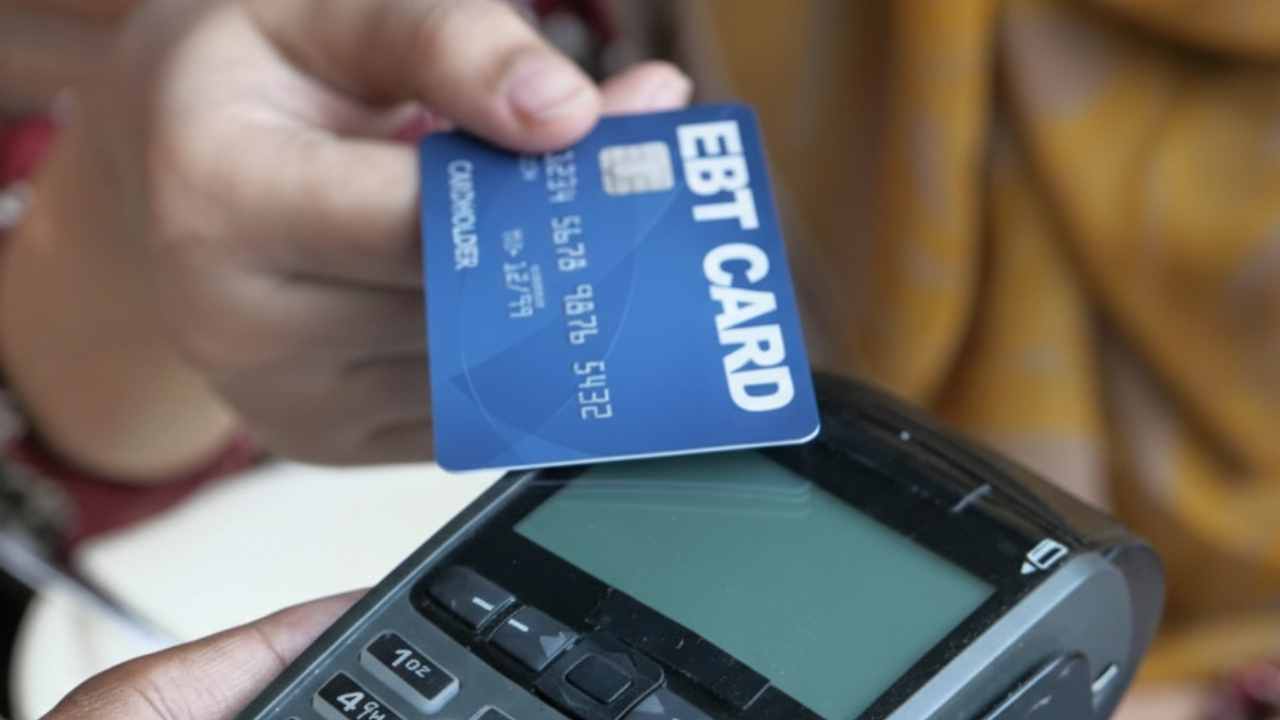
Starting January 1, 2026, the shopping experience for millions of Americans who rely on federal SNAP benefits will change dramatically. In eighteen states, entire supermarket aisles—those containing soft drinks, energy drinks, candy, and prepared desserts—will be off-limits to Electronic Benefit Transfer (EBT) cards.
This is all according to a list of modifications over the food stamps program approved by the U.S. Department of Agriculture (USDA). This wave of state restrictions, the most sweeping to date, marks a turning point for the Supplemental Nutrition Assistance Program (SNAP), traditionally based on consumer autonomy, and plunges it into the thorny national debate on nutrition, paternalism, and poverty.
18 States About to Rewrite the Rules of SNAP Grocery Shopping
The changes, which will be implemented throughout the year on a staggered schedule, align with Health and Human Services Secretary Robert F. Kennedy Jr.’s “Make America Healthy Again” initiative.
Kennedy, whose skepticism toward vaccination mandates has garnered headlines, has also placed the fight against excessive sugar consumption and certain food colorings high on his agenda.
To implement these restrictions, each state had to request a federal waiver, circumventing the basic SNAP rules that allow the purchase of any edible food item, excluding only alcohol, tobacco, and hot prepared food.
The 2026 SNAP Change No One’s Fully Talking About Yet
On the one hand, there is a laudable attempt to address health disparities that disproportionately affect low-income communities. On the other, it imposes a layer of bureaucratic complexity on a population already navigating a difficult system, and the evidence on the effectiveness of these kinds of bans in improving dietary health is, at best, mixed.
Ambiguity is precisely one of the most pressing criticisms. The Food Action and Research Group (FRAC), an advocacy organization against hunger, noted in a recent publication that in many cases neither shoppers nor retailers have received clear lists of the specific products that will no longer be eligible.
Take Iowa, for example, which, starting January 1, will restrict the purchase of “all taxable food items,” including items with candy coating, vitamins and minerals, and chewing gum. Would a cereal with colored frosting fall into that category? What about a granola bar fortified with vitamins? The state directive, according to FRAC, lacks the specificity needed to guide actual purchasing decisions.
States Taking the Next Step to Healthier SNAP Shopping
States have taken slightly different approaches, creating a patchwork of regulations. Arkansas (effective July 1) and Florida (effective April 20) will go beyond soda and candy, also including “unhealthy beverages” and “prepared desserts.”
Missouri (October 1) will ban “certain unhealthy beverages,” a vague term that is causing confusion. Texas and Virginia, both with changes on April 1, are focusing on “sweetened beverages.” Meanwhile, Nebraska and North Dakota have targeted energy drinks, a product with growing popularity.
SNAP Benefits Facts
For the approximately 42 million people (about 12% of the resident population) who relied on SNAP monthly in fiscal year 2024, the transition will be a logistical challenge. It will also be challenging for retailers, who will need to reprogram their point-of-sale systems to automatically reject restricted items when paying with an EBT card—a costly and error-prone process, especially in small stores and neighborhood markets.
Proponents of the restrictions, including several state public health departments, argue that it is irresponsible for a taxpayer-funded program to subsidize products that contribute to obesity, diabetes, and cardiovascular disease. They point out that SNAP recipients, due to economic and access limitations, already face a higher risk of developing these conditions.