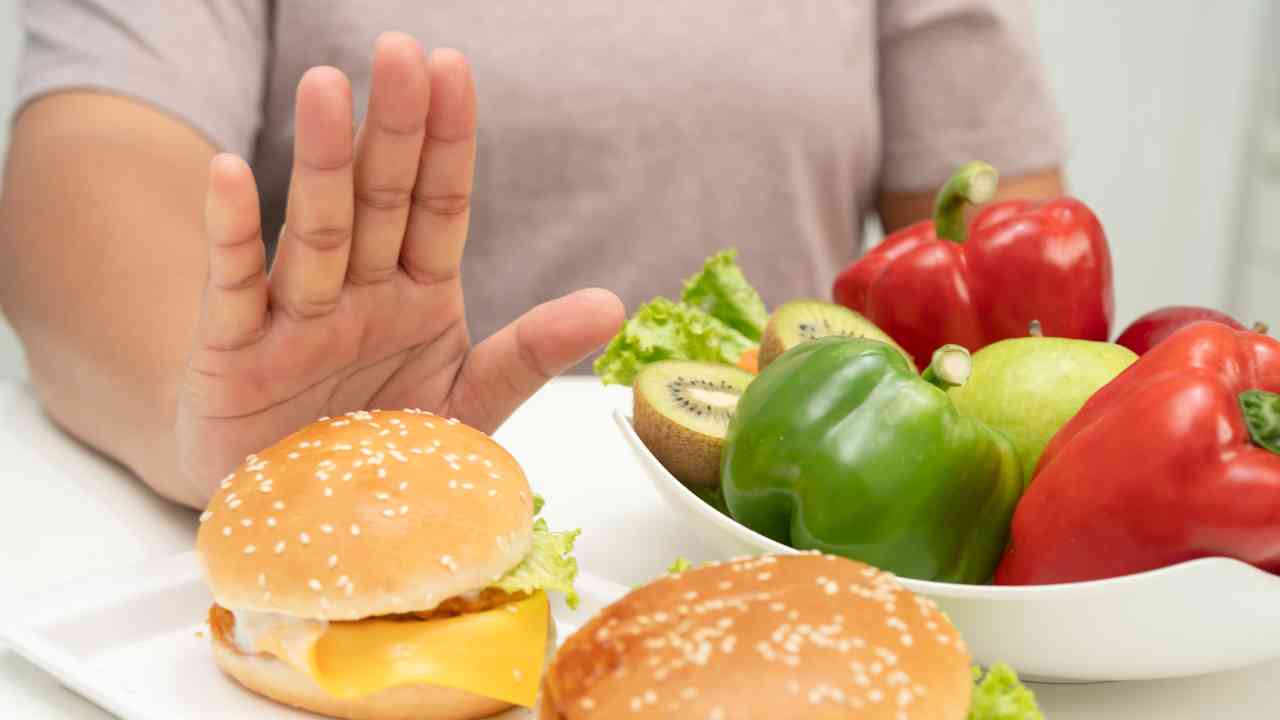
The federal government is about to change decades of nutritional assistance policy: the United States Department of Agriculture (USDA) on Wednesday approved historic exemptions that will allow six states to prohibit the purchase of candy, soda, and other foods considered unhealthy with the benefits of the Supplemental Nutrition Assistance Program (SNAP).
The measure, which will affect about 3 million people, marks the high point of a national campaign to link public welfare with specific nutritional standards, a flagship initiative of the “Make America Healthy Again” movement.
According to an announcement by USDA Secretary Brooke Rollins, Hawaii, Missouri, North Carolina, South Dakota, Tennessee, and Virginia have received federal approval to modify the definition of “food for purchase” within the program, excluding products that, in the words of senior officials, “fuel diabetes and chronic diseases.” The phased implementation will begin next year.
SNAP Benefit: states impose new restrictions on what you can buy
The backdrop to this transformation is both ideological and practical. Health and Human Services Secretary Robert F. Kennedy Jr. has been a vocal critic of the use of SNAP funds on what his department calls “junk food.”
But beyond the rhetoric, there is a powerful economic incentive. Dr. Mehmet Oz, director of the Centers for Medicare & Medicaid Services, made it clear at an event this Wednesday that states that apply for and implement these exemptions will have an advantage in accessing a portion of the $50 billion rural health fund. It’s carrot-and-stick policy at its core: restriction in exchange for resources.
Some states are banning junk food from food stamps
South Carolina, one of the approved states, based its request on “adult and childhood obesity rates.” However, the decision of which specific products will be banned will rest with each state administration.
While candy and soda are universally targeted, the mention of items like “sprinkles” or confetti in the preliminary documents reveals the level of detail and regulatory complexity to come. It won’t be a uniform federal list, but rather a patchwork of state bans.
These six pioneers are not alone. They join a wave that began earlier this year, which already includes twelve other states: Arkansas, Colorado, Florida, Idaho, Indiana, Iowa, Louisiana, Nebraska, Oklahoma, Texas, Utah, and West Virginia. In total, 18 states, representing remarkable geographic and political diversity, have obtained permission to restrict purchases made with SNAP benefits.
Since we’re here: the maximum SNAP benefits in 2026
Based on the official federal guidelines for the period from October 1, 2025, to September 30, 2026, here are the maximum monthly SNAP benefit amounts for households in the contiguous United States and Washington D.C..
- 1 person: $298 per month.
- 2 people: $546 per month.
- 3 people: $785 per month.
- 4 people: $994 per month.
- 5 people: $1,183 per month.
- 6 people: $1,421 per month.
- 7 people: $1,571 per month.
- 8 people: $1,789 per month.
Maximum benefits are higher in Alaska, Hawaii, Guam, and the U.S. Virgin Islands due to higher costs of living:
- Alaska: Ranges from approximately $1,285 to $1,995 per month.
- Hawaii: $1,689 per month.
- Guam: $1,465 per month.
- U.S. Virgin Islands: $1,278 per month.
How will the new restrictions be enforced? What about diet soda or energy drinks? There are still gray areas in the state-level crackdowns that are about to be discovered.