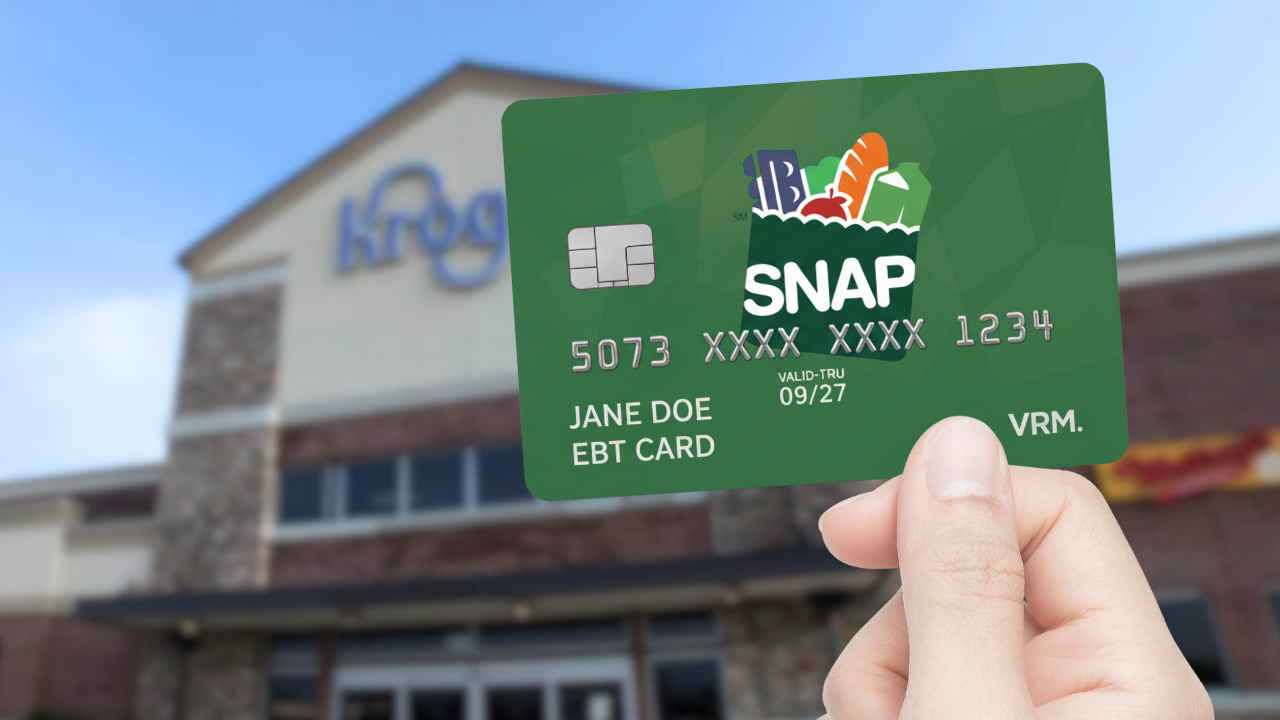
It is a calculated mix of philanthropy with commercial savvy: retail giant Kroger has launched a discount program specifically targeting the most vulnerable Americans who rely on SNAP benefits to put food in their tables every day.
The “Verified Savings Program,” announced in late December, offers 20% off fresh produce and half price on its premium “Boost” memberships to those who can verify they receive benefits from government assistance programs such as SNAP (food stamps), WIC, Medicaid, or housing assistance.
Kroger’s New Discount for SNAP Recipients
The initiative comes at a critical moment, just weeks after the chaotic record-breaking federal government shutdown at the end of 2025 briefly suspended funding for programs like SNAP benefits, sowing anxiety and uncertainty among tens of millions of households.
For analysts and consumer advocates, the timing is no coincidence. It’s a master stroke in public relations and customer acquisition, targeting a segment of the population that, paradoxically, represents a vital and constant cash flow for the food industry.
How to Access the SNAP Benefits 20% Discount at Kroger
The mechanism is simple yet effective. Those interested must verify their eligibility through SheerID, an external platform that validates participation in any of the fourteen listed assistance programs. Once approved, the 20% discount on fruits and vegetables is automatically credited to their Kroger digital account, valid for all fresh produce purchases until January 31.
The other part of the program is a 50% discount on Boost memberships, which offer free shipping, gas discounts, and double points on fuel. For a household that already does its weekly grocery shopping at Kroger, the discounted membership may be tempting.
Carlo Baldan, vice president of Kroger’s fresh produce group, emphasized in the statement the goal of “eliminating one more barrier to food security.” However, some see clear limitations to the gesture.
“The discount on fresh produce is excellent, but it’s temporary, only until the end of January. The real battle for household budgets is fought in the aisles of canned goods, pasta, dairy, or meat, where this benefit doesn’t apply,” notes Michael Rhodes, coordinator of a food bank network in Indiana. “And the Boost membership, even at half price, is still an expense that many families who rely on SNAP simply can’t afford.”
Where to Find a Kroger in the United States
Kroger operates roughly 2,800 supermarkets. Here are the 35 states where you can find a Kroger store:
- Alabama
- Alaska
- Arizona
- Arkansas
- California
- Colorado
- Delaware
- Florida (primarily Harris Teeter)
- Georgia
- Idaho
- Illinois
- Indiana
- Kansas
- Kentucky
- Louisiana
- Maryland
- Michigan
- Mississippi
- Missouri
- Montana
- Nebraska
- Nevada
- New Mexico
- North Carolina
- Ohio
- Oregon
- South Carolina
- Tennessee
- Texas
- Utah
- Virginia
- Washington
- West Virginia
- Wisconsin
- Wyoming
- District of Columbia (Washington D.C.)
This list does not include states where Kroger may operate only through its online or fulfillment networks.
But here’s the thing: you won’t see the Kroger logo on all of them. The company uses a portfolio of regional banners, each with its own local history and customer loyalty. Out west, shoppers might walk into a Ralphs or a Fry’s. In the Pacific Northwest, it’s Fred Meyer or QFC.
In Colorado, it’s King Soopers, and in the Southeast, you’ll find Harris Teeter. This strategy lets the company maintain a national scale while keeping a local feel, which is a harder trick to pull off than it sounds.