
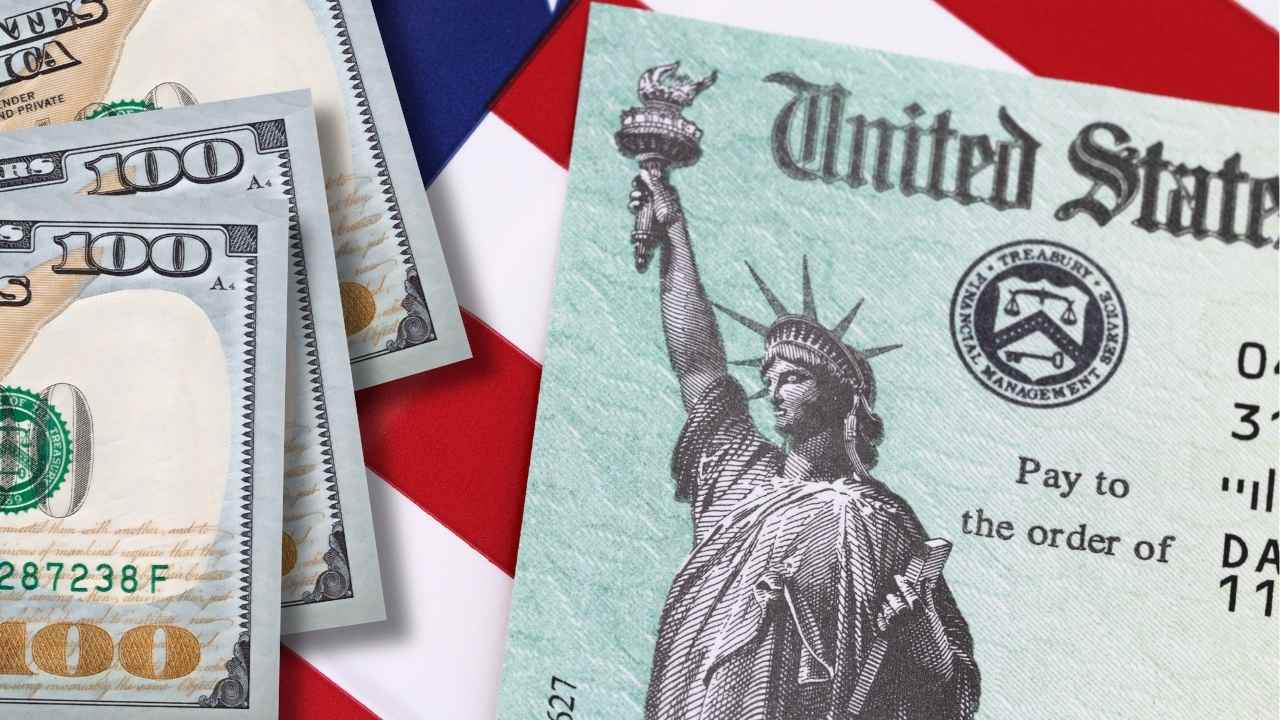
The early returns are in, and for taxpayers waiting on money from the Internal Revenue Service (IRS), the news looks pretty good — at least in terms of what individual refunds are worth.
Data compiled through the week ending February 13 shows the average federal tax refund sitting at $2,476, up about 14% from where things stood at this point last year. That’s a meaningful jump, and for the roughly 12.96 million Americans who’ve already seen money hit their accounts, it’s a welcome one.


IRS Refunds Are Up 14% — Here’s Why Your Check Could Be Bigger This Year
There’s a catch, though. That 12.96 million figure is actually lower than the 13.66 million refunds that had been issued by the same point in 2025 — a drop of around 5%. And the total number of returns filed is running about 2.6% behind last year’s pace. So more money per refund, but fewer refunds handed out so far.
For the people who went with direct deposit — still by far the most popular option — the average refund clocks in slightly higher at $2,548, a 13% year-over-year increase.
Before anyone draws firm conclusions from these early figures, the IRS is urging patience. The agency was explicit in its most recent release: the current numbers don’t yet account for taxpayers who claimed the Earned Income Tax Credit or the Additional Child Tax Credit. Both credits tend to involve larger refunds, and neither has been fully processed into the data yet.
You Could Get $1,000 to $2,000 More Back From the IRS
The IRS said it expects the numbers released on February 27 — covering returns processed through February 20 — to come in higher as those tax credits get folded in. In other words, the picture is still incomplete.
This is pretty normal for early February. Tax season statistics in the first several weeks tend to bounce around considerably. A lot of taxpayers file late, closer to the April 15 deadline, which means the early data captures a somewhat self-selected group: people who were organized, expected a refund, and had relatively straightforward returns. The full-season numbers often look quite different.
What’s Actually Behind the Bigger Refunds: The Impact of OBBBA
At a December press conference, White House Press Secretary Karoline Leavitt pointed to legislation signed into law on July 4, 2025, which she referred to as the “One Big Beautiful Bill Act.” That bill made several changes to the tax code that are now showing up in what people owe or are owed: a higher child tax credit, an increase in the standard deduction, and the elimination of federal taxes on tips and overtime pay.
The overtime and tips provisions in particular affected a large chunk of the workforce that hadn’t seen direct federal tax relief of this kind before. For households where one or both earners work in service industries or receive significant overtime, the difference in what was withheld from paychecks — versus what they actually owe — could be substantial.
Treasury Secretary Scott Bessent flagged all of this back in early December, telling reporters that households should expect “very large refunds” and estimating that many would see increases in the range of $1,000 to $2,000.
The early IRS data doesn’t contradict that projection. An analysis from Piper Sandler reportedly estimated total refund payouts of around $91 billion for the season, on top of roughly $30 billion in reduced withholdings that already flowed to workers throughout 2025. Whether those aggregate figures hold up depends heavily on how the rest of the filing season develops.
Finding Your Tax Refund: The Free IRS Tool
It’s not just the number of returns filed that’s down — the IRS is also processing them more slowly than a year ago. The agency reports a 3.1% year-over-year decline in returns processed, which likely reflects staffing and operational factors that have nothing to do with any individual taxpayer’s situation.
For people who’ve filed and are wondering what’s taking so long, the IRS’s “Where’s My Refund?” tool remains the fastest way to get an answer. It’s available on the agency’s website and through the IRS2Go app. You’ll need your Social Security number, your filing status, and the exact refund amount listed on your return.
The system updates once daily, typically in the early morning, so checking multiple times throughout the day won’t get you anywhere faster. Status messages move from “Return Received” to “Refund Approved” to “Refund Sent” — that last one means the money is either on its way to your bank or a check is in the mail.
Timeline-wise, electronic filers with direct deposit can generally expect their refund within 21 days. Paper filers should plan on four to eight weeks, and anything that requires a manual review by the IRS will extend that window, with the agency notifying taxpayers by mail if that happens. The IRS phone line 1-800-829-1040 is an option, but hold times are typically long enough that the online portal is almost always the better first stop.