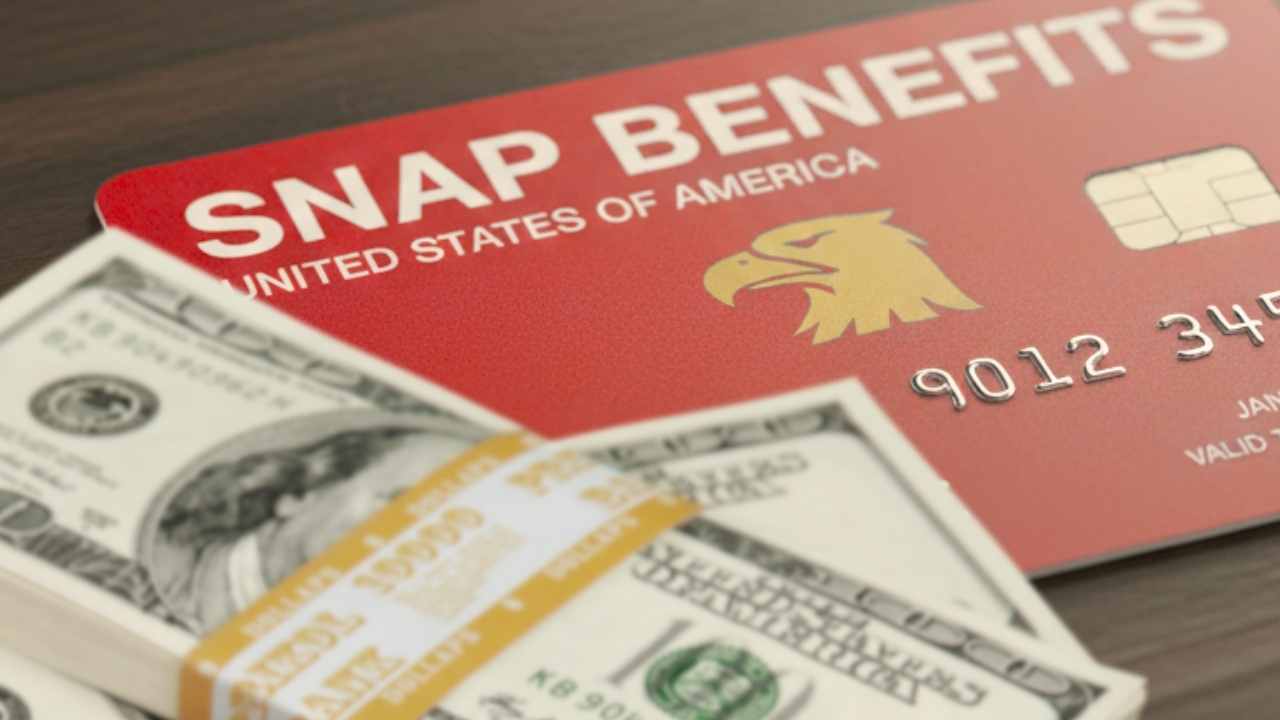
The Supplemental Nutrition Assistance Program, known as SNAP benefits, come from the federal government, but they’re actually run by the states. That means your local state office is the one handling the day-to-day details. Because each state runs things a little differently, the way benefits are managed and paid out can vary—they each tailor the process to fit their own communities and how they operate.
The EBT card you use for groceries is part of this local setup, too. Each state works with its own vendor to manage the card system. So, your SNAP EBT card is issued locally, and it’s really only meant for buying food at approved stores within your own state.
Maximum SNAP amounts by State for February 2026
The 48 contiguous states, along with Washington, D.C., have the maximum SNAP benefit amounts because the U.S. Department of Agriculture (USDA) considers the cost of living to be similar across these territories. This differs from other areas such as Hawaii, Alaska, the U.S. Virgin Islands, and Guam, where the cost of living is higher and, consequently, the maximum SNAP benefits are higher.
The amounts in effect for February 2026 are as follows, depending on the state or territory in which you live, for a family of four:
- 48 contiguous states and the District of Columbia: $994.
- Alaska: $1,549 (adjusted for the high cost of living).
- Urban areas: $1,549
- Rural areas 1: $1,773
- Rural areas 2: $2,135
- Hawaii: $1,817 (adjusted for the high cost of living).
- Guam: $1,465 (amounts established specifically for the territory).
- U.S. Virgin Islands: $1,278 (amounts specifically set for the territory).
Individual beneficiaries receive an amount calculated based on their income, deductible expenses, and household size, so the actual payment is almost always less than the listed maximum. To find out the exact deposit date in your state, you should check your state agency’s EBT portal.
What Is the SNAP Schedule According to Your Place of Residence?
You can find the exact timeline for your case on your state’s EBT portal, by calling your local SNAP helpline, or in your benefits letter. Always contact the SNAP benefits administering agency that processed your case.