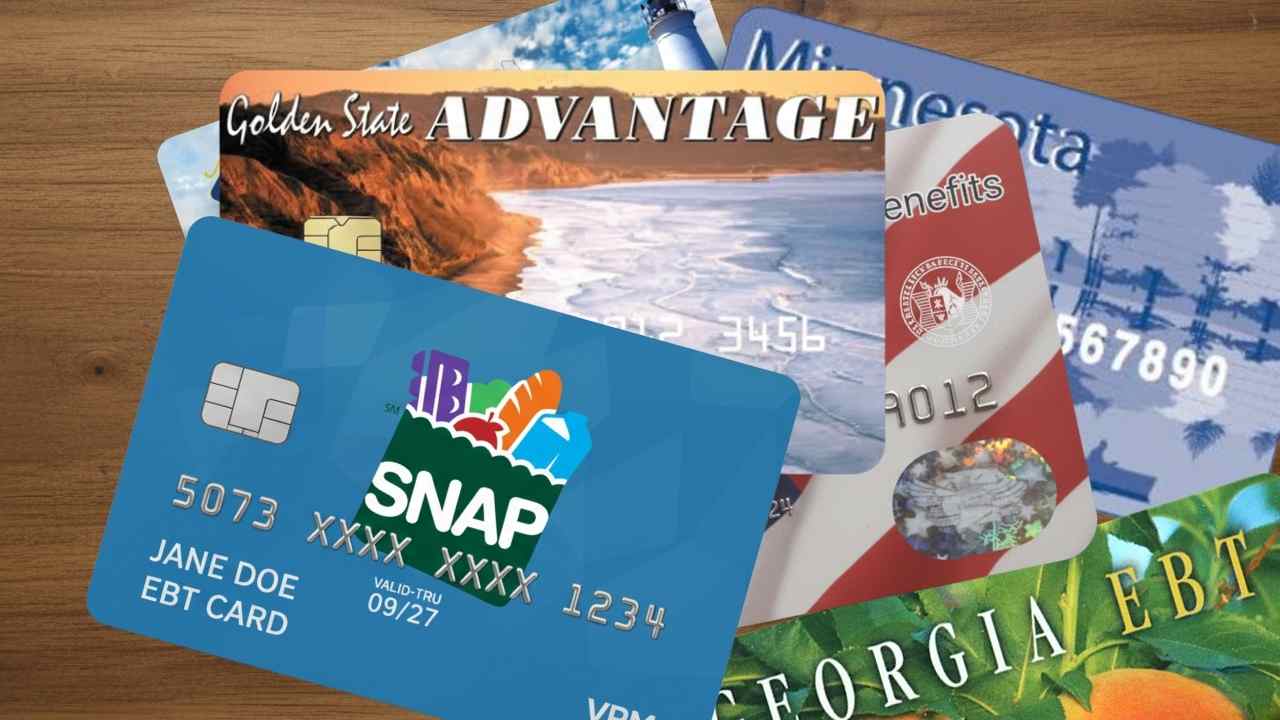
The introduction of the law known as the One Big Beautiful Bill Act (OBBBA) in July 2025 established a series of substantial modifications to the Supplemental Nutrition Assistance Program (SNAP). These amendments, which took effect at the end of 2025 and continued through 2026, reconfigured eligibility criteria and beneficiary obligations.
Let’s take a brief look together at the new requirements and restrictions that have been applied to the food stamp program so you can prepare yourself in case they affect you.
SNAP 2026 Changes: What You Need to Know If You Are “ABAWD”
One of the most significant changes expands the scope of employment requirements for the group classified as Able-Bodied Adults Without Dependents (ABAWD).
The age limit for these requirements has been raised, now extending to individuals up to 64 years old. This means that individuals between 55 and 64 years old must document a minimum of 20 hours of activity per week, which can include paid employment, volunteering, or participation in approved training programs, to maintain their eligibility.
The exceptions to this rule have become more restrictive. Previously, having dependents under 18 could qualify for an exemption; the new threshold has been lowered to under 14. Also exempt are ABAWDs with properly certified medical conditions or who are pregnant.
Washington Transfers More SNAP Responsibility to States
In parallel, the law has redefined access to the program for non-U.S. citizens. Eligibility previously granted to refugees and asylum seekers has been eliminated. Under the new framework, only legal permanent residents with documented continuous residence in the U.S. for at least five years are eligible for benefits.
Another component of the OBBBA shifts greater financial responsibility to state governments. Starting in October 2027, states with a payment error rate exceeding 6% will be required to assume a proportional share of the cost of SNAP benefits distributed within their jurisdiction. This provision seeks to encourage stricter and more precise management by local agencies.
States Will Restrict Junk Food Purchases With SNAP
In addition, the law authorizes states to implement regulations on the products that can be purchased with program funds.
A group of 18 states is expected to establish restrictions that exclude items such as soda, candy, and certain processed foods from SNAP purchases, with the stated goal of promoting nutritious choices. The states include: Arkansas, Colorado, Florida, Hawaii, Idaho, Indiana, Iowa, Louisiana, Missouri, Nebraska, North Dakota, Oklahoma, South Carolina, Tennessee, Texas, Utah, Virginia, and West Virginia.
SNAP Scheduled Remain Unchanged
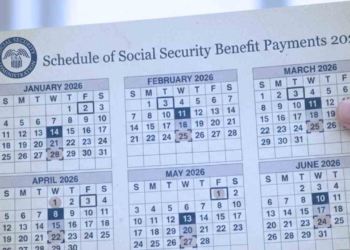
SNAP benefit payments are not distributed on a single national schedule. Each state and territory manages its own issuance schedule, which typically spans the month. Funds are loaded onto the Electronic Benefit Transfer (EBT) card assigned to each household on dates that may be determined by the cardholder’s last name, case number, or other administrative criteria.
For February 2026, the deposit date ranges established by each jurisdiction are as follows:
-
Alabama: February 4-23
-
Alaska: February 1
-
Arizona: February 1-13
-
Arkansas: February 4-13
-
California: February 1-10
-
Colorado: February 1-10
-
Connecticut: February 1-3
-
Delaware: February 2-23
-
District of Columbia: February 1-10
-
Florida: February 1-28
-
Georgia: February 5-23
-
Guam: February 1-10
-
Hawaii: February 3-5
-
Idaho: February 1-10
-
Illinois: February 1-20
-
Indiana: February 5-23
-
Iowa: February 1-10
-
Kansas: February 1-10
-
Kentucky: February 1-19
-
Louisiana: February 1-23
-
Maine: February 10-14
-
Maryland: February 4-23
-
Massachusetts: February 1-14
-
Michigan: February 3-21
-
Minnesota: February 4-13
-
Mississippi: February 4-21
-
Missouri: February 1-22
-
Montana: February 2-6
-
Nebraska: February 1-5
-
Nevada: February 1-10
-
New Hampshire: February 5
-
New Jersey: February 1-5
-
New Mexico: February 1-20
-
New York: February 1-9
-
North Carolina: February 3-21
-
North Dakota: February 1
-
Ohio: February 2-20
-
Oklahoma: February 1-10
-
Oregon: February 1-9
-
Pennsylvania: February 3-14
-
Puerto Rico: February 4-22
-
Rhode Island: February 1
-
South Carolina: February 1-19
-
South Dakota: February 10
-
Tennessee: February 1-20
-
Texas: February 1-28
-
Utah: February 5, 11 and 15
-
Virgin Islands: February 1
-
Vermont: February 1
-
Virginia: February 1-7
-
Washington: February 1-20
-
West Virginia: February 1-9
-
Wisconsin: February 1-15
-
Wyoming: February 1-4
If your SNAP benefit doesn’t arrive when you expected, you can check your official notification or your state’s online portal. If the payment date has passed and the money isn’t on your EBT card, the most direct course of action is to contact your local SNAP office or call 211 for community resources.