
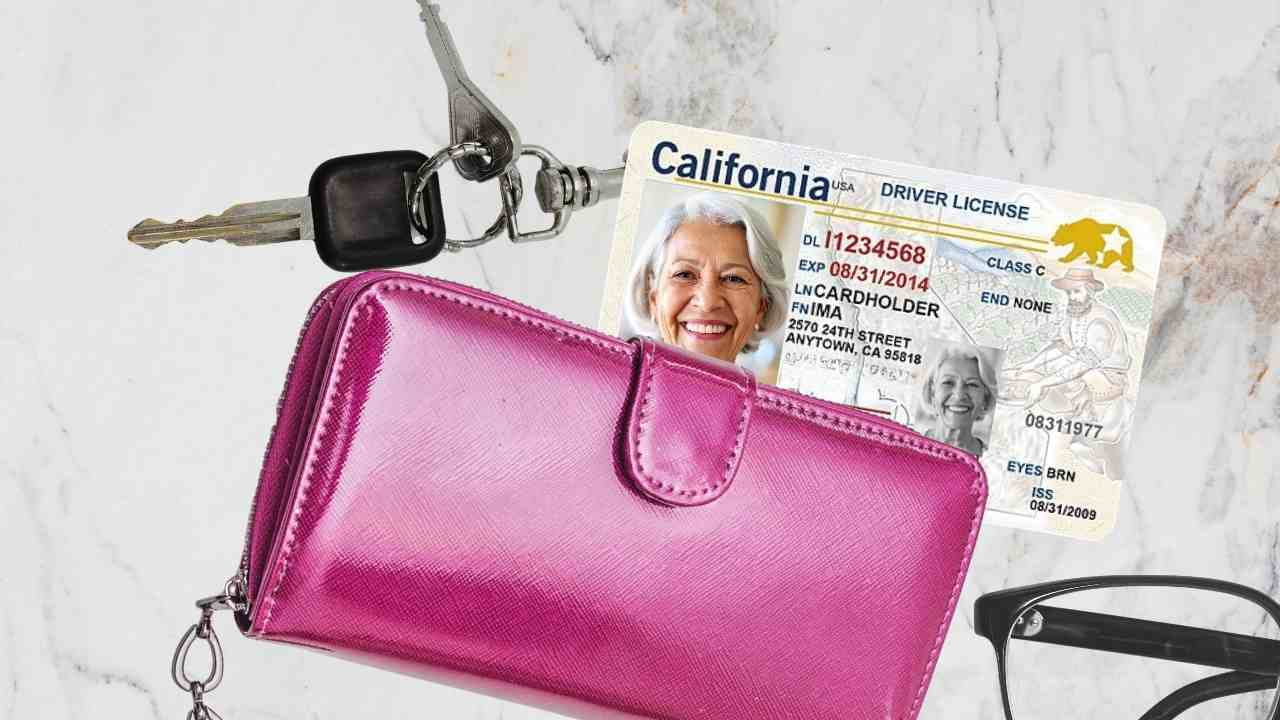
There’s a rule that’s been sitting quietly in California law for decades, and a surprising number of families are only now running into it — usually at the worst possible moment. When someone turns 70 and their driver’s license expires, they can’t just log on and renew it.
They have to show up at California’s Department of Motor Vehicles (DMV). In person. And if they keep driving without renewing their driver’s license, they’re breaking the law, even if they’ve had a spotless record their entire life.


The DMV Appointment Older Californians Can’t Skip
The rule itself isn’t new. What changed at the end of 2024 was the conversation around it. On October 1st of that year, the DMV quietly dropped the mandatory written exam for most older drivers with a clean record.
People heard “DMV eases requirements for seniors” and assumed the whole thing had moved online. It hasn’t. The written test going away was a real and meaningful change, but it didn’t touch the part that matters most: you still have to walk through the door.
Every five years, drivers 70 and older must appear in person, pass a vision screening, and sit for a new photo. That’s the floor. No exceptions for people who’ve been driving for fifty years without a scratch, no workarounds for someone who lives an hour from the nearest office. The license doesn’t renew itself, and a lapsed one means you’re driving illegally the moment you pull out of the driveway.
Check This Before Your CA Driver’s License Expires
That’s not a trivial problem when you consider who this affects. More than 3.3 million Californians are 70 or older, and a good portion of them live in areas where giving up the car isn’t just inconvenient — it means losing access to doctors, pharmacies, and grocery stores.
A DMV appointment, for someone in that situation, can involve weeks of waiting for an available slot, arranging a ride there, and carrying the very real fear that a routine vision check could be the thing that ends their independence.
The vision test is where most of the anxiety lives, and not without reason. The DMV requires 20/40 vision in both eyes, or 20/40 in one and no worse than 20/70 in the other.
Fail it and you get 60 days to see an eye doctor, get the right paperwork signed, and try again. If there are more serious underlying conditions — dementia, uncontrolled epilepsy, significant vision impairment — the process can escalate into a full driving evaluation, and in some cases, a license suspension.
Senior’s Driver’s License: What if There’s a DUI Record?
The written test situation is also more conditional than the headlines made it sound. The waiver applies to drivers with clean records. If you’ve had a DUI in the past two years, racked up multiple violation points, or been involved in repeated accidents, you’ll still be taking the test.
For everyone else, the DMV does offer an online review course in English, Spanish, and Chinese — something you can work through at home before your appointment. It doesn’t replace the in-person visit, but it takes some of the pressure off.
If you or someone in your family is in this position right now, the steps aren’t complicated, but the timing matters:
- Check the expiration date on your license right now
- If it’s already past or within the next 60 days, don’t wait — act immediately
- Go to dmv.ca.gov and book an appointment in advance (walk-in lines can run several hours)
- Before your appointment, get a vision check with your doctor or optometrist
- If there’s an issue with your eyesight, you’ll still have time to address it before you show up
If the written test does apply to your situation, the DMV’s website has the study materials and the online course ready to go. An experienced driver isn’t starting from zero; the test covers signs, safe following distances, right-of-way rules. A couple of hours of review is genuinely all most people need.
Start ASAP With the Process
The one thing that tends to make this whole process harder than it needs to be is waiting too long to start it. California doesn’t give people more time because of their age, and a lapsed license isn’t a technicality: it’s a real legal exposure.
If an accident happens while someone is driving on an expired license, the fallout with insurers and in court can be significant. The system isn’t designed to be a trap. For most older drivers in decent health, it’s a manageable afternoon. The key is not treating it like something that can wait until next month.