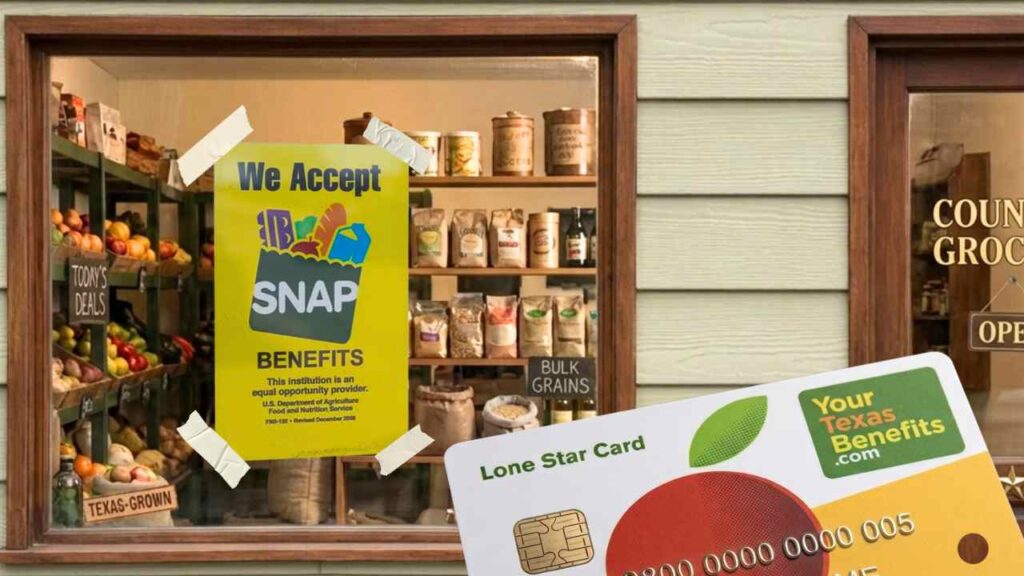
By 2026, Texas has gone through the deepest changes to its SNAP benefits food assistance program in years. In just six months, the state banned candy and sugary drinks from the Lone Star Card, made work requirements tougher to meet, and saw close to half a million residents lose their benefits. None of this happened out of nowhere. It’s the result of overlapping decisions in Austin and Washington, and food banks from Houston to El Paso are already feeling it.
April 1, 2026, brought the most visible change. The Texas Health and Human Services Commission (HHSC) confirmed that SNAP benefits cardholders can no longer buy candy, gum, drinks with 5 grams or more of added sugar, or any drinks with artificial sweeteners. Also off the list: fruit, raisins, and nuts that are candied, glazed, or coated in chocolate, yogurt, or caramel.
Purchasing a healthy Texas: SNAP benefits restrictions
The ban started in the state Senate. Bill SB 379, passed during Texas’ 89th Legislature in 2025, needed a federal waiver from the USDA to take effect. That waiver came through under the Trump administration’s “Make America Healthy Again” push. Texas became the first state to roll out this kind of restriction statewide.
Governor Greg Abbott called the move a step toward “a stronger, healthier Texas.” As a condition for the waiver, the USDA made Texas survey recipients before and after April 1 to see if the ban actually leads to healthier choices. Those results haven’t been released yet.
The drop: 500,000 fewer SNAP recipients in a year
While all this debate over what people can buy was going on, state data showed fewer and fewer people even using the card. In April 2026, Texas reported 3.1 million people eligible for SNAP — a 14% drop from the same month the year before. In raw numbers: nearly 500,000 fewer people.
Feeding Texas, a statewide network of food banks serving about 3.5 million kids, seniors, veterans, and working families, tracked the trend. “We’re seeing a big decline in SNAP enrollment in Texas,” said Celia Cole, the group’s executive director. The paradox, according to their members, is clear: fewer people are getting benefits, but demand at food banks has gone up.
The hardest-hit counties are along the Gulf Coast, and in North and South Texas. In more than two-thirds of all Texas counties, participation fell somewhere between 10% and 20%.
Two reasons advocates point to: by name and number
HHSC called the drop just “normal fluctuations” in the program, without getting into specifics. But policy analysts point to two well-documented factors.
First: tougher work rules. The “One Big Beautiful Bill Act,” passed by Congress and in effect since late 2025, changed a waiver that used to protect caregivers of minors. Before, if you were taking care of a child under 18, you were automatically exempt from minimum work hour requirements.
Since December 2025, that exemption only applies to families with kids under 14. Parents or guardians with dependents 14 or older have to show they work at least 30 hours a week or qualify for a specific exemption.
Second: the immigration climate. Lynn Cowles, director of Health and Food Justice at the policy group Every Texan, described the drop as “sudden and widespread” and hard to explain any other way. “We just saw this sharp decline that happened across the board, and there’s no other obvious reason for it,” she said.
Grassroots groups say families with mixed immigration status — where some members are undocumented and others are citizens — are turning down benefits out of fear that applying could lead to legal or immigration trouble. US citizen kids, who are legally eligible, are being left out.
This isn’t just a Texas thing. Nationwide, SNAP participation fell 10% between July 2025 and February 2026 (the latest federal data available). No state saw an increase.
What’s still missing
Texas hasn’t published the results of the nutrition surveys the USDA required as part of the waiver. There’s also no state-level data breaking down how much of the enrollment drop came from the new work rules versus the immigration climate.
Feeding Texas warned that without clear information, recipients themselves can’t know what to expect. The group urged the state to put out “clear information” so households can “make informed decisions.” With 3.1 million people still relying on the program, any additional shift in enrollment or purchasing rules will directly affect food security for a big chunk of Texas’ population.