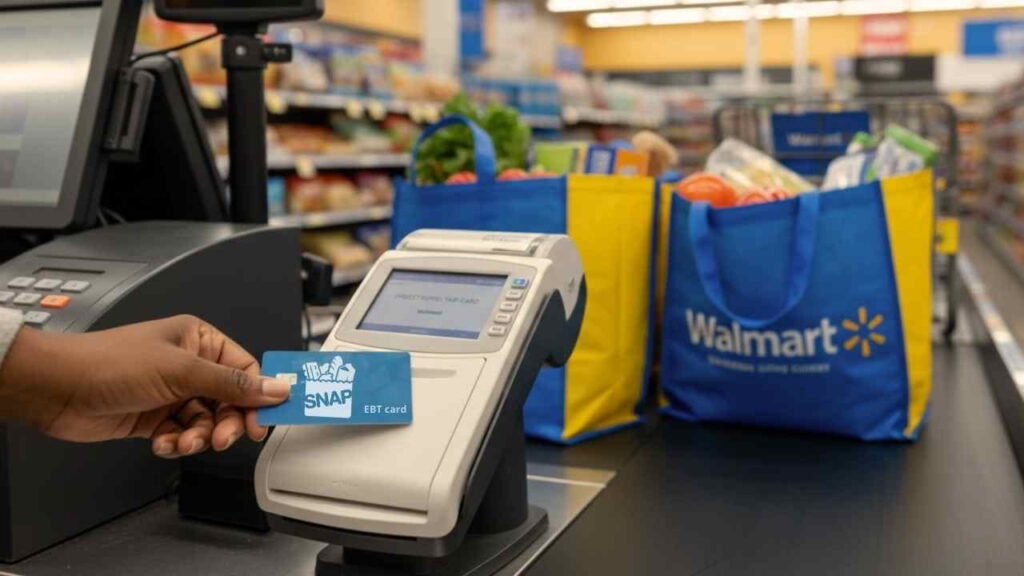
Restrictions on low nutritional value products for users of the Supplemental Nutrition Assistance Program (SNAP) are one of the most significant changes in US federal food assistance policy implemented during 2025 and 2026 under the Trump administration.
This is part of the federal government’s new policy to make America healthier by excluding products considered potentially harmful to health due to their high sugar, salt, or saturated fat content, or because they are considered ultra-processed. How can you identify these products? We’ll discuss that below.
SNAP Benefits: New Food Restrictions in Dozens of States
The legal mechanism that has allowed these restrictions is the “Food Restriction Waivers” system, approved by the U.S. Department of Agriculture (USDA) through its Food and Nutrition Service (FNS). These waivers allow states to modify the statutory definition of “eligible foods for purchase” within the SNAP program, which has traditionally been quite broad.
Historically, attempts to restrict unhealthy foods under SNAP have been rejected. The first attempt dates back to 2003, when Minnesota proposed banning the purchase of candy and soda with SNAP benefits. However, the National Health Fund (NHF) denied approval, citing implementation challenges, inconsistent definitions of what constitutes healthy food, and the potential stigmatization of beneficiaries.
The “Make America Healthy Again” (MAHA) Initiative
The policy change falls under the “Make America Healthy Again” (MAHA) initiative, led by Secretary of Health and Human Services Robert F. Kennedy Jr. and Secretary of Agriculture Brooke Rollins. This initiative’s stated goal is to combat the epidemic of chronic diseases and obesity in the United States, arguing that taxpayer dollars should not fund products that contribute to public health problems such as diabetes and heart disease.
Secretary Rollins launched the “Innovation Labs” initiative on her first day in office, inviting governors to suggest state-driven solutions to strengthen federal nutrition programs. As an added incentive, Dr. Mehmet Oz, administrator of the Centers for Medicare & Medicaid Services (CMS), announced that states that ban junk food will receive additional funding through the Rural Health Transformation Fund.
States That Apply Restrictions to SNAP Benefits From 2026
As of 2026, 18 states have received USDA approval to implement food restrictions under SNAP. These approvals were granted at different times during 2025, meaning implementation will not occur simultaneously in all states.
- From January 1, 2026:
- Indiana
- Iowa
- Nebraska
- Utah
- West Virginia
- From February 15, 2026:
- Idaho
- Oklahoma
- From February 18, 2026:
- Louisiana
- Later dates, or phased implementation throughout 2026:
- Arkansas (July 1, 2026)
- Colorado
- Florida
- Hawaii
- Missouri (October 1, 2026)
- North Dakota
- South Carolina
- Tennessee
- Texas
- Virginia
How Many SNAP Recipients Are Affected by These Restrictions?
These 18 states represent more than 7 million SNAP recipients who will be affected by the new restrictions. Nationally, SNAP serves over 42 million people (approximately 12.5% of the U.S. population), costing just over $100 billion in fiscal year 2024 and providing an average of $190.59 per person per month.
These numbers are not final, as several additional states are exploring similar changes. Lawmakers in Arizona, Michigan, Mississippi, Montana, and Ohio have introduced bills to limit junk food purchases through SNAP, though they have not yet received federal approval.
Products That Can No Longer Be Purchased With SNAP Benefits
Restrictions vary significantly from state to state, although common patterns exist. Most states focus on sugary drinks and sweets, while some take broader approaches.
A) Sugary Drinks and Soft Drinks
This is the most commonly restricted category, present in virtually all 18 states:
- Soft drinks/sodas: Carbonated beverages with water, sweeteners (sugar or artificial sweeteners), flavorings and sometimes caffeine
- Energy drinks: Drinks with added stimulants such as caffeine, guarana, glucuronolactone, or taurine
- Lemonades and mixed drinks: In some states like Missouri
- Soft drinks with and without calories: Arkansas bans both regular and diet sodas
Colorado specifies that it does not restrict beverages containing milk or dairy alternatives (such as soy or rice milk) or any beverage that is more than 50% fruit or vegetable juice. Arkansas, on the other hand, prohibits fruit and vegetable beverages with less than 50% natural juice.
B) Sweets and Candies
At least 8 states specifically restrict the purchase of candy (ask in your local SNAP agency if your state is restricting these):
- Packaged sweets
- Chocolate bars
- Candies
- Confectionery products
C) Prepared Desserts
Some states have extended the restrictions to:
- Processed and packaged desserts
- Cakes, pies, cookies and similar products (Florida and Missouri)
- Ice cream
D) Taxable Foods (Iowa)
Iowa took a unique approach by prohibiting “all taxable foodstuffs as defined by the Iowa Department of Revenue,” except for food-producing plants and seeds. This includes:
- Sweets
- Certain ready-to-eat snacks
- Soft drinks
- Gum
For now, some analysts are closely watching what the impact of this will be on the most vulnerable populations, especially those living in so-called “food deserts“; these are parts of the United States that, due to their geographical characteristics, do not have plantations of fresh produce, so it is easier and more affordable to eat processed or non-perishable foods.