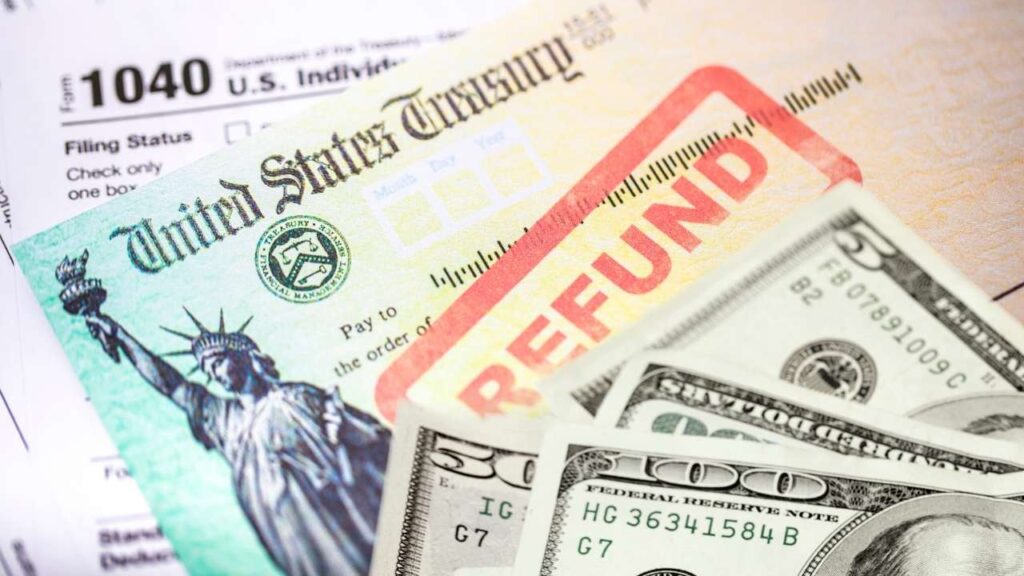
Tax season for 2026 officially opened on January 26. If your return is error-free, the Internal Revenue Service (IRS) usually pushes refunds out fast—most within three weeks, and often much quicker.
Direct deposit is the way to go: it’s secure and by far the fastest. Since September 2025, the IRS has basically stopped mailing paper checks, so nearly all refunds come electronically.
Just make sure your routing and account numbers are right. If that bank info is off, your refund gets held up while you update it, which takes around 30 days. Never correct it? Then they’ll cut a paper check after six weeks, and that’ll take a while.
Special Cases and Potential Delays in Your Tax Refund
If you e-file and opt for direct deposit, you’re looking at 21 days or less from the moment the IRS accepts your return. Plenty of people see theirs land in 10 to 15 days, though banks can take an extra one to five days to actually post the funds.
Returns claiming the Earned Income Tax Credit or the Additional Child Tax Credit? By law, those refunds can’t go out before mid-February. If you filed early, did it online, and picked direct deposit without any issues, the IRS expects most of those payments to hit bank accounts or debit cards by March 2, 2026. The “Where’s My Refund?” tool will start showing projected dates on February 21.
Paper returns? Plan on six to eight weeks—or more. If your return gets flagged for review, has an error, or hits any other snag, you could be waiting weeks, even months.
IRS Estimate: When Will Your 2026 Refund Arrive?
You can track your refund using the IRS’s “Where’s My Refund?” tool on their site. Info usually shows up about 24 hours after you e-file for the current year, three to four days for prior-year returns, or four weeks if you mailed it. They update overnight. There’s also the IRS2Go app.
Here’s a rough rule of thumb for direct deposit: say your e-file gets accepted around January 26. You might see that refund as early as February 6. Acceptance on February 2? Look for it around February 13. February 9 points to February 20. That pattern holds every seven days—basically ten business days after acceptance.
What’s the Average Refund Looking Like for 2026?
According to official IRS data for the 2025 season (that’s through December 2025), the average refund was $3,167—a slight bump from $3,138 in 2024. People using direct deposit averaged about $3,230. All told, roughly 104 million taxpayers got refunds, which is about 63% of filers, adding up to nearly $329 billion.
For 2026, the average is expected to climb, thanks to some changes from the “One Big Beautiful Bill Act” of 2025. That law introduced new deductions for seniors, expanded the child tax credit, let you deduct tips and overtime, and increased the standard deduction, among other things.
Analysts at the Tax Foundation, Piper Sandler, Morgan Stanley, and even the White House figure the average refund could jump by $300 to $1,000—or more in some cases—compared to typical years. That would put the overall average somewhere between $3,500 and $4,000, possibly higher, depending on your income, how many dependents you have, and which deductions you qualify for.