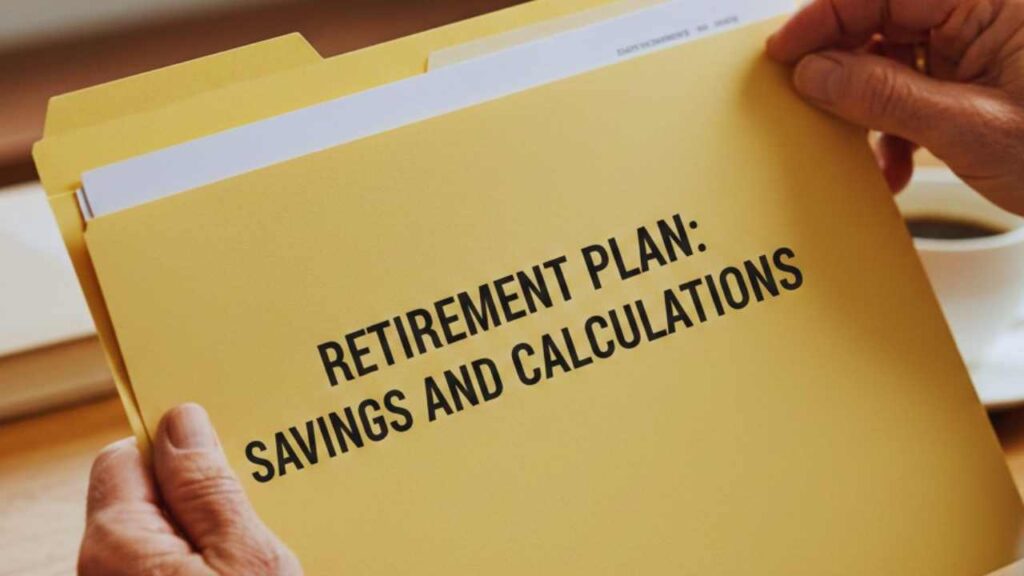
When you and me (all of us, indeed) talk about saving for retirement, most immediately think about amounts, investments, and returns to expect. They discuss how much to contribute, which instruments to invest in, and what rate of return is needed to live comfortably in the future.
However, there’s a common mistake that’s rarely mentioned in these conversations and that can seriously jeopardize any retirement plan, even a well-designed one. And I bet you could have missed this easy-to-oversee error, and here we are to point it out.
This Common Oversight Can Quietly Derail Your Retirement Plan
That mistake isn’t about choosing the wrong investment or incorrectly calculating the capital needed for retirement. It’s about not having an adequate emergency fund.
At first glance, an emergency fund seems like a tool designed solely for the short term. Its obvious function is to help cover unexpected expenses without resorting to debt. But its impact goes far beyond that. In reality, it plays a key role in the stability of the entire personal financial system, including retirement savings.
When a person has no cash reserves and an unexpected expense arises, the available options are usually limited. Often, people resort to credit cards, personal loans, or salary advances. In other cases, a less visible but equally costly decision is made: contributions to retirement savings are suspended.
Most People Miss This, and It Can Disrupt Their Retirement Goals
This type of interruption may seem minor or temporary, but its consequences are profound. Every month in which you don’t contribute to retirement is a lost month of compound growth. Money not invested today not only becomes unavailable, but also loses years of future accumulation. To compensate for this shortfall, you will need to save more, for a longer period, or sacrifice your standard of living in retirement.
This is where an emergency fund acts as a buffer. Having a reserve equivalent to three to six months of essential expenses allows you to absorb unexpected events without disrupting the rest of your financial plan. A medical expense, an urgent repair, or even a temporary loss of income can be handled without touching your pension contributions or liquidating long-term investments at a difficult time.
Understand Your Retirement Emergency Fund
The primary concern is to understand that the emergency fund is not unproductive money, but a self-managed financial insurance whose objective is not to generate profit, but to preserve the continuity of the rest of the system. Thanks to it, long-term decisions are not subordinated to specific crises.
Another important aspect is how this fund is managed once it’s used. Using it doesn’t mean it disappears forever. Once the emergency has passed, the goal becomes gradually rebuilding it to the recommended level. This way, the person is prepared for the next unexpected event without sacrificing future goals.
Ignoring this tool often creates a domino effect: an unexpected expense leads to a halt in savings, the halt forces adjustments to the retirement plan, and that adjustment increases financial pressure in the future. All of this can be avoided with a relatively modest cash reserve compared to the harm it prevents.