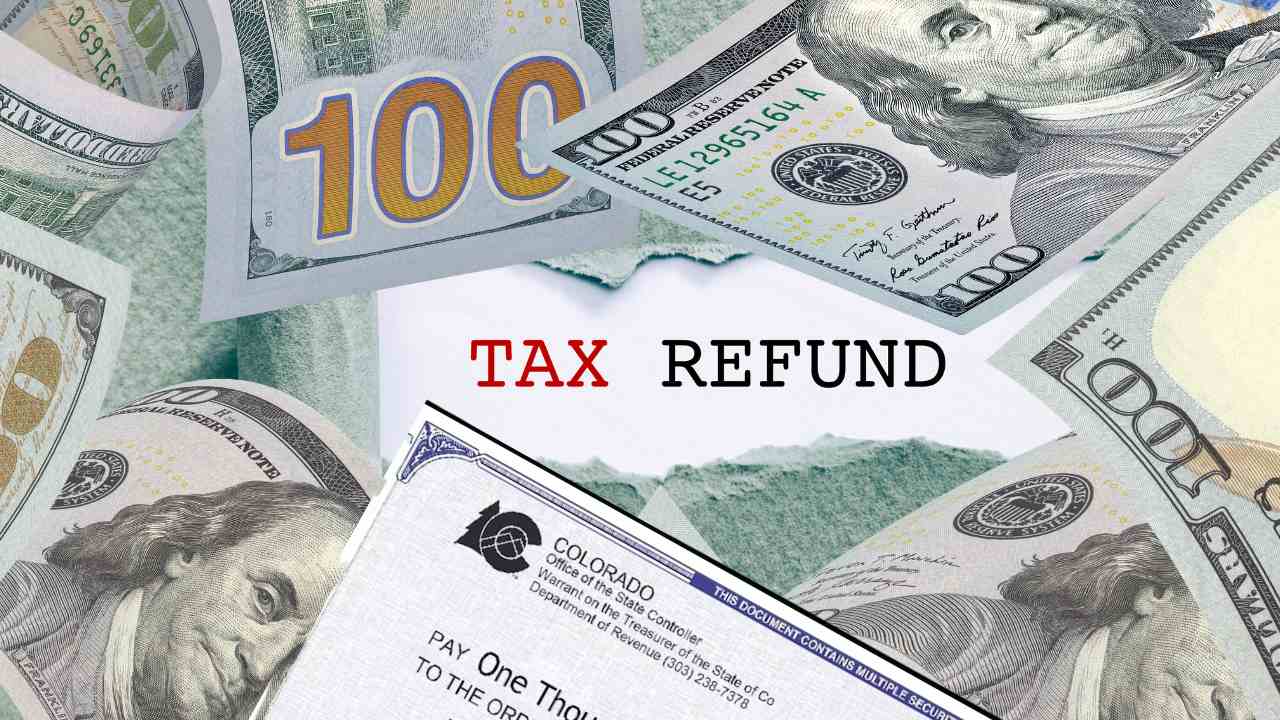
In a move that marks a turning point in fiscal policy over the past few decades, Governor Jared Polis confirmed this week what many state economists already suspected: there will be no refunds for taxpayers under the Colorado Taxpayer’s Bill of Rights (TABOR) in fiscal year 2026.
The announcement, quiet but with enormous repercussions, abruptly ends the expectation of checks or direct tax credits that many Coloradans had come to consider almost an annual right. The reason is technical but compelling: projected state revenues will fall approximately $308 million below the spending limit imposed by the constitution, the so-called “TABOR cap.”
No TABOR Checks in 2026: Colorado’s Budget Tightrope
This budget deficit, according to analysts at the Polis government’s Planning and Budget Office, doesn’t stem from a local recession, but rather from a combination of external factors that have dampened tax revenue.
Changes in federal fiscal policy, an adjustment in the activity of certain sensitive economic sectors, and the post-pandemic normalization of some taxed consumption have created a perfect storm that leaves the state without the so-called “surplus” that, by constitutional mandate, requires the automatic return of funds. In simpler terms: the state didn’t collect more than it should, therefore, it has nothing to return.
Colorado’s TABOR Rule Hits a Rare Moment: No Money to Return
The news breaks a significant streak. In recent years, TABOR refunds had become almost a regular occurrence, with amounts varying according to the taxpayer’s income level but ranging from a few hundred to over a thousand dollars for a typical family.
Their absence in 2026 will directly impact the finances of millions and reshape local spending patterns in an election year. For the average taxpayer, it means an unexpected adjustment to their personal finances; for small businesses that often saw a boost with the arrival of these checks, it represents an anticipated slow season.
Colorado’s New Fiscal Priority Under TABOR Limits
Governor Polis, in statements reported by Colorado Politics, emphasized that his administration’s priority is maintaining fiscal balance and protecting essential public services—education, transportation, and healthcare—in a context of tighter resources.
“The fiscal discipline we have always promoted means adapting to economic realities, not forcing them,” he stated. This approach, the governor argues, avoids abrupt cuts and allows for more stable long-term planning, although he acknowledges the disappointment the measure may generate.
What About Next Year?
However, the picture is not uniformly bleak. Projections for the 2026-27 fiscal year, which begins right after the period without refunds, show a return to surplus. State economists cautiously indicate that if the trend continues, the TABOR mechanism could be reactivated for refunds in 2027.
This fiscal rollercoaster illustrates the volatile and sometimes procyclical nature of the amendment: in boom years, it withdraws money from the state economy through refunds, and in lean years, it withdraws the stimulus precisely when it is most needed.