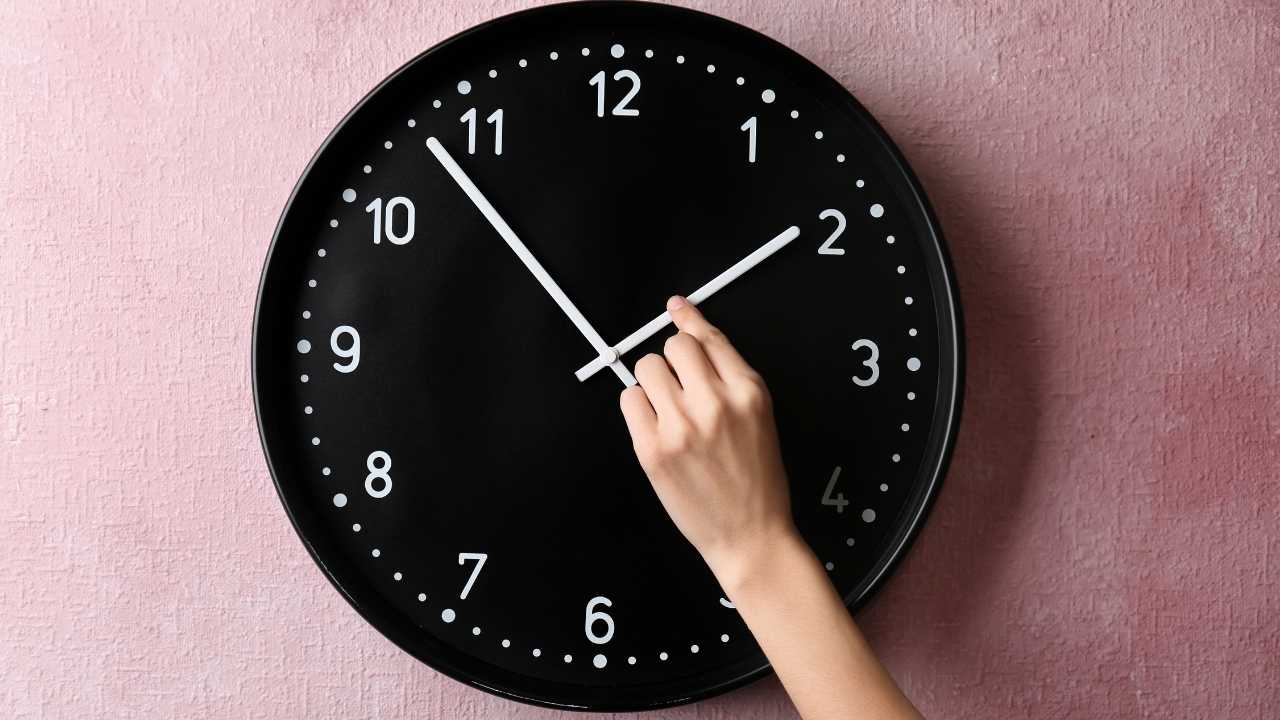
Circle Sunday, March 8, 2026, on your calendar. That’s the day we all collectively lose an hour of sleep for the “spring forward.” At 2 a.m. sharp, time will seemingly skip ahead to 3 a.m. local time, regardless of where you are in the continental United States.
We do this ritual every year in the United States, but let’s be honest—how many of us actually know why? The whole thing is a tangled mix of history, shaky economic logic, and growing public annoyance. It affects your evening commute, your kid’s soccer practice, and even your mood.

Daylight Saving Time 2026: When to Change Your Clocks & Which States Skip It
The good news? We get that hour back eventually. The “fall back” happens on Sunday, November 1, 2026. At 2 a.m., clocks reverse to 1 a.m., gifting us a little extra sleep and signaling the return to Standard Time.
That old saying “spring forward, fall back” is about the only straightforward part of this process. In reality, this seven-month shift throws a wrench into everything from national broadcast schedules to the logistics for shipping companies.
Now, here’s where it gets messy. Not every state goes along with the plan. Forget changing your clocks if you’re in Hawaii or most of Arizona—they stick to Standard Time all year. (Although, fun fact, the Navajo Nation inside Arizona does observe DST).
The same goes for Puerto Rico, Guam, and other U.S. territories. This creates a ridiculous situation every spring and fall. Imagine trying to schedule a conference call between Phoenix, Los Angeles, and Indianapolis for a few weeks; you’re dealing with a confusing three-time-zone headache.
The Surprising Military Roots of DST
Let’s clear something up: farmers hated it. The push for nationwide Daylight Saving Time actually came from war, not agriculture. America first tried it in 1918 during World War I, purely as a fuel-saving tactic.
The logic was simple: shift an hour of daylight from the sleepy morning to the active evening. People would use less coal-powered electricity for lights, freeing up resources for the fight.
They called it “Fast Time,” and the public ditched it right after the war. But the idea came roaring back with World War II. FDR instituted mandatory “War Time”—a year-round DST—from 1942 until 1945.
Once again, it was a weapon for conservation. These crises cemented the idea that meddling with clocks was a legitimate government tool for saving energy.
What Happened to the DST After the War Ended?
Absolute chaos. Without a federal rule, towns and counties could choose their own time. At one point, you could take a 35-mile bus ride in Iowa and pass through seven different local times! This patchwork was a nightmare for trains and TV networks.
The sheer insanity forced Congress to pass the 1966 Uniform Time Act, which finally gave us a national, if still awkward, schedule. It’s ironic that a measure designed for wartime efficiency created years of peacetime confusion.