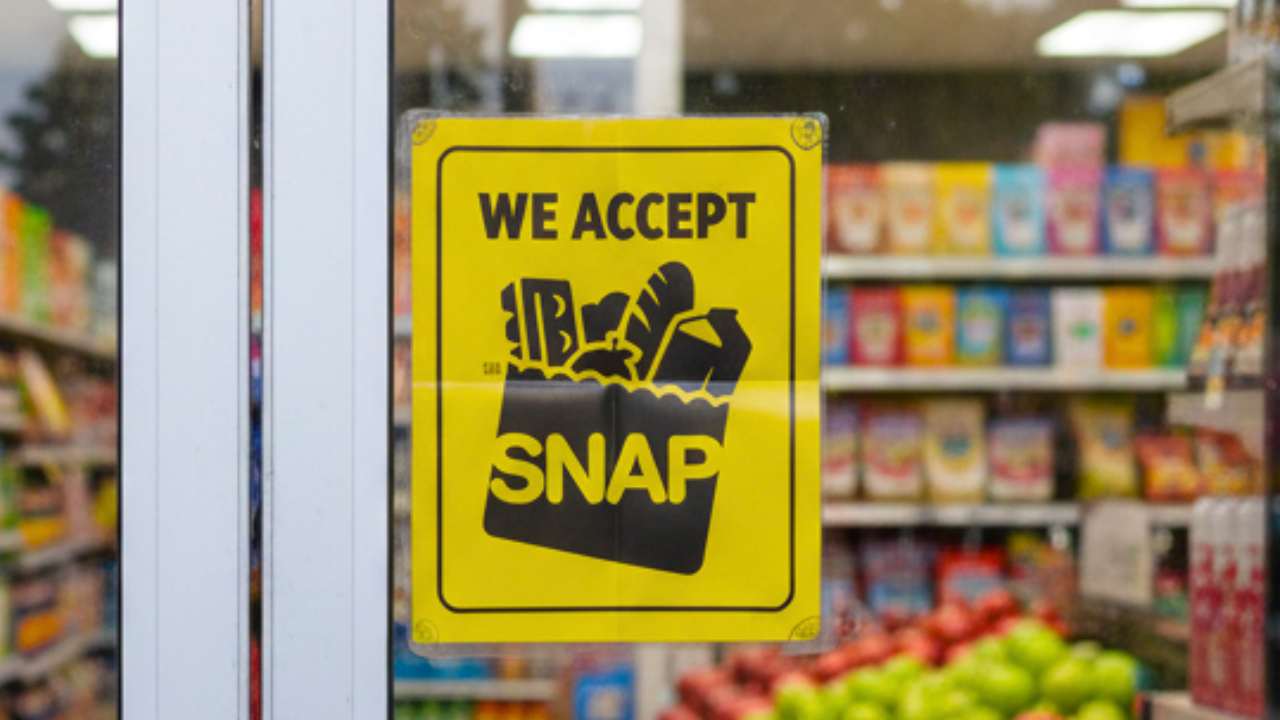
Get ready for a major shake-up in how America’s food stamps program works. Come 2026, new federal rules are set to overhaul everything from who qualifies for assistance to what they can put in their grocery carts. It’s the most considerable change to the Supplemental Nutrition Assistance Program, or SNAP, in over a decade.
These reforms are all thanks to the “One Big Beautiful Bill Act” (OBBBA), a controversial piece of legislation that sailed through Congress in the summer of 2025. At its heart, the law aims to tighten work mandates for SNAP benefits, slash exemptions, and shrink the overall pool of people eligible for benefits.
SNAP Rules Are Changing in 2026: What You Need to Know
So, what does this mean on the ground? For starters, the work requirements are getting a lot stricter. Before, if you were an able-bodied adult without kids, you’d only face work mandates if you were between 18 and 54. Now, that upper age limit jumps to 64.
That’s a huge shift—it pulls millions of older Americans, including folks in their late 50s and early 60s, into the net. To keep their benefits, they’ll need to show proof of at least 80 hours of work, volunteer service, or approved training every single month.
And Forget About Those Old SNAP Exemptions
The special passes for veterans and the homeless? Gone. If you’re a parent, you can only skip the work rule if your child is under 14, not under 18 like before. For immigrants, the door is closing tighter; generally, only green card holders who’ve been here for five years or more will still qualify.
The administration is also cracking down on paperwork. Miss an official notice or fail to submit the right documents on time, and your benefits could be cut off without much warning.
If your benefits suddenly stop or you get no notice at all, don’t just wait. Call your state or county SNAP office directly—and have your case number handy. A caseworker can dig into your file and tell you if it’s a clerical hold-up, a processing delay, or something else.
You can also try the number on the back of your EBT card; they might not explain your eligibility status, but they can usually see if a payment was supposed to go out. If something feels wrong, you have every right to appeal. Your local office can get you the forms to start that fight.
In the meantime, for immediate help putting food on the table, dial 211 or check the Feeding America website to find a food pantry near you.
SNAP Benefits Stopped? Here’s Exactly What to Do Next
lawful permanent residents who have lived in the country for at least five years. Missing a notice or failing to provide the new required documentation could result in a loss of benefits.
If you find no notices, your next step should be to contact your state or county SNAP office directly. Have your case number ready. A caseworker can look into your specific account and tell you if there is a hold, a delay in processing, or another problem.
You can also call the customer service number on the back of your EBT card; while they may not have details about your eligibility, they can confirm if a deposit was initiated. If you believe the benefits were incorrectly denied, you have the right to file an appeal, a process for which your SNAP office can provide the paperwork.
While resolving the delay, consider reaching out to local food banks or pantries for immediate assistance by dialing 211 or visiting the Feeding America website to find resources in your community.
Maximum SNAP Benefit Amounts for 2026
The exact amount a household receives depends on its size, income, and deductible expenses, among other factors, but these are the maximum amounts possible for those who meet all the requirements:
- 1 person: $298
- 2 people: $546
- 3 people: $785
- 4 people: $994
- 5 people: $1,183
- 6 people: $1,421
- 7 people: $1,571
- 8 people: $1,789
- For each additional person: + $218
SNAP Benefits Payment Dates for Each State
All states and territories have their own payment schedule, designed based on the characteristics of their populations and their ability to pay.
Funds are typically deposited onto your EBT card between midnight and 8:00 a.m. on your assigned day, and in many cases are available as early as 11:59 p.m. the day before. If your pay date falls on a weekend or holiday, the deposit will not be delayed or changed.
To confirm the availability of funds, you can check your balance in your state’s official EBT app, call the number on the back of your card, or check your transaction history at an authorized retailer.