Effective February 1, 2026, the Supplemental Nutrition Assistance Program (SNAP) expanded its work requirements to include individuals up to age 64. Prior to this change, the upper age limit was 54. This measure, stemming from provisions in the federal law “One Big Beautiful Bill Act,” stipulates that beneficiaries aged 18 to 64 without a certified disability must demonstrate 80 hours of work per month, participation in training programs, or volunteer work.
Failure to meet this employment requirement for three months within a 36-month period will result in the suspension of benefits for the remainder of the cycle. State agencies have begun notifying households that include members in the newly added age range.
Changes to SNAP Benefits: Available Exemptions and Their Limits
The current regulatory framework now includes specific exemptions for certain beneficiary profiles. These exclusions require the submission of supporting documentation to state offices. Among the accepted grounds are physical or mental disability, a condition that now includes temporary illnesses and applicants for Supplemental Security Income (SSI) or Social Security Disability Insurance (SSDI).
Pregnancy, chronic homelessness, veteran status—though with additional restrictions in certain jurisdictions—and caring for people with disabilities remain exempt. A significant change was made to the childcare exemption: it now only applies to those caring for children under 14. Previously, the age limit was 18. Students enrolled at least half-time and those receiving unemployment benefits also qualify as exempt, as do workers with monthly incomes exceeding $935.
18 States Gain Permission to Ban Ultra-Processed Foods from SNAP Benefits
Since January 2026, the U.S. Department of Agriculture (USDA) has approved state waivers that allow states to restrict the purchase of non-essential food items from receiving SNAP benefits. The initiative, promoted under the name “Make America Healthy Again” (MAHA), has been adopted by 18 states through February 2026.
Five states—Indiana, Iowa, Nebraska, Utah, and West Virginia—implemented purchase bans on January 1. Idaho, Oklahoma, and Louisiana joined in February. The timeline calls for Arkansas, Colorado, Florida, Hawaii, Missouri, North Carolina, North Dakota, South Carolina, and Tennessee to implement the ban throughout the first half of the year. Texas will begin its ban on April 1, while Virginia and New Mexico remain under evaluation.
Products Restricted Under SNAP Benefits
Each state defines its own list of ineligible items, though the categories generally include soft drinks, sugary beverages, candy, sweets, and products with high levels of added sugars or artificial sweeteners. State benefits agencies have updated their point-of-sale systems to reject transactions that include product codes from these categories.
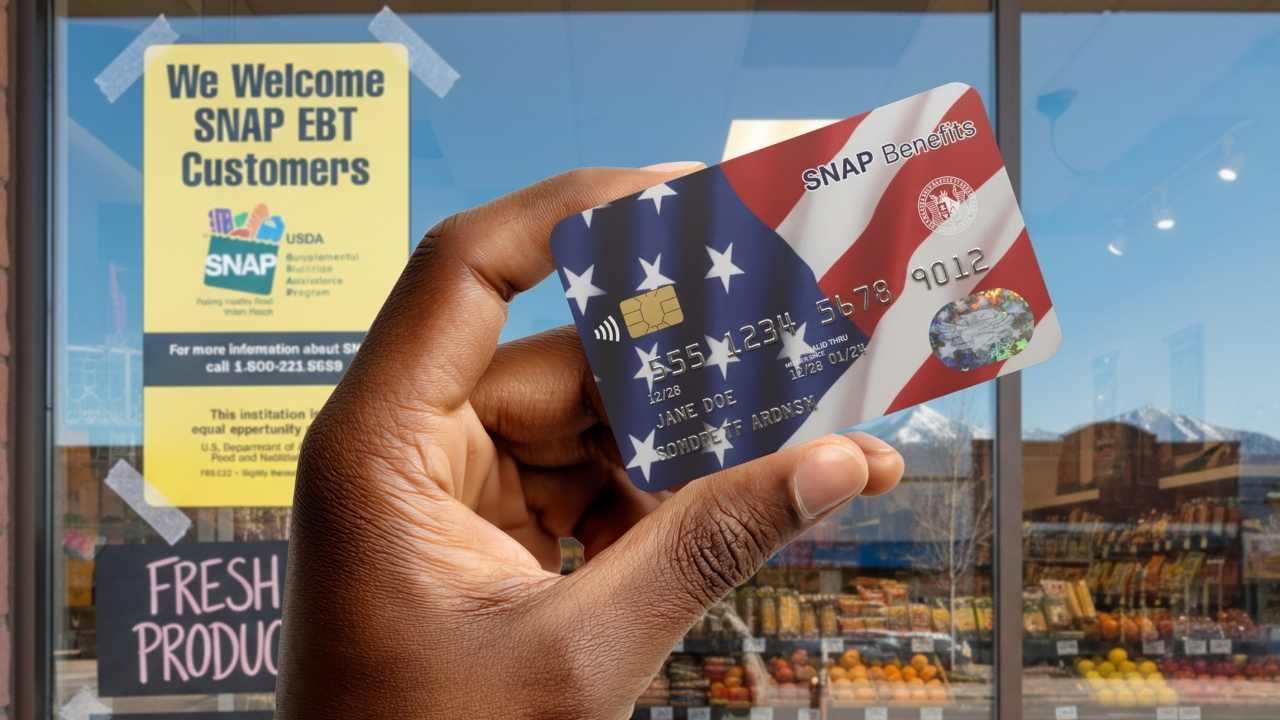
Electronic Benefits Transfer (EBT) cardholders in jurisdictions with approved waivers receive a denial message at the time of purchase if they attempt to buy any item included on the state list. The remaining balance is unaffected and can be used for eligible products.
Maximum Food Stamp Amounts and Deductions for Fiscal Year 2026
In October 2025, the USDA published the Cost-of-Living Adjustments (COLA) applicable to SNAP benefits for fiscal year 2026. A family of four residing in the 48 contiguous states and the District of Columbia can receive up to $994 per month in benefits. The minimum monthly benefit was set at $24.
The limit for the shelter expense deduction was set at $744 per month. Asset limits remained at $3,000 for households without elderly or disabled members, and at $4,500 for households that include individuals age 60 or older or individuals with a certified disability.
A final rule issued by the USDA in January 2025, whose state implementation was completed in October of the same year, incorporated residential internet service as a deductible utility within the calculation of the Standard Utility Allocation (SUA).
Households that pay separately for internet access can now include that expense in the shelter deduction, which in some cases increases the monthly benefit amount or allows the household to maintain eligibility by reducing the computable income.