
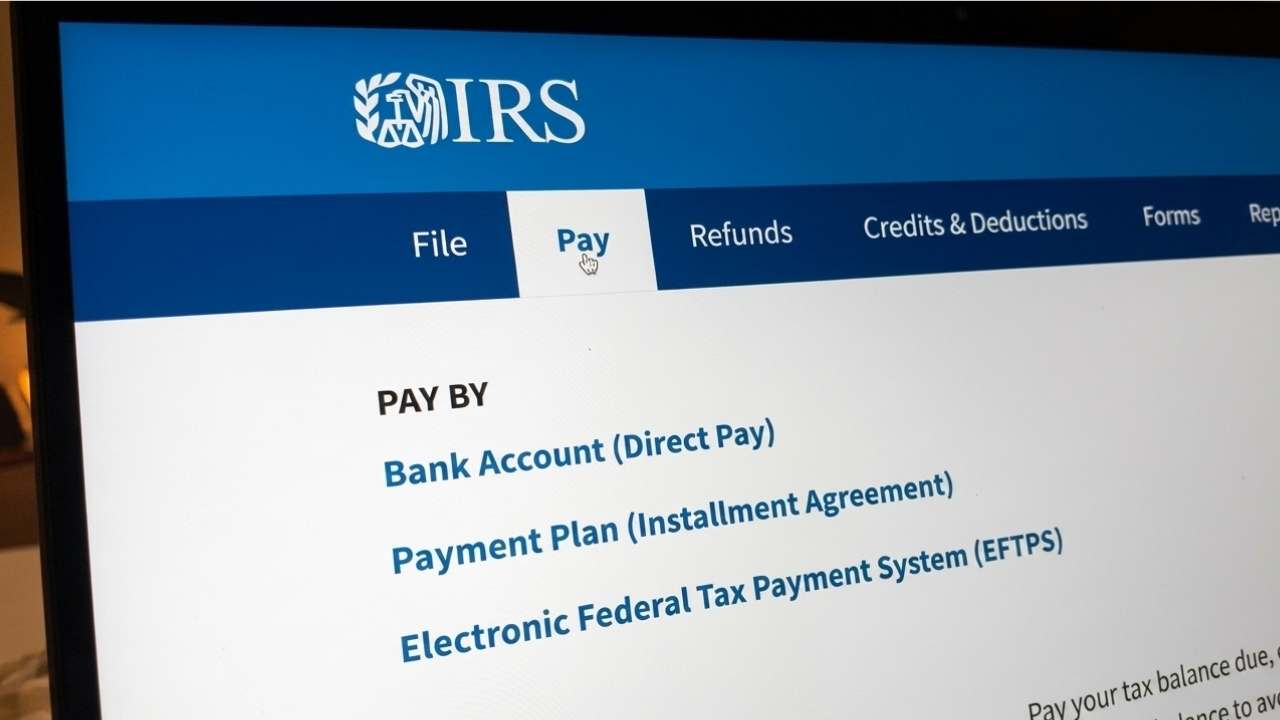
Tax Day 2026 came and went. If you didn’t file your return or pay what you owe, you’re probably wondering what happens next. Short answer: nothing instant or apocalyptic. But the longer you wait, the more it’s going to cost you. The IRS doesn’t send a warning shot—they just start adding charges.
First thing to understand: there’s a big difference between not filing and not paying. A lot of people mix them up. But the IRS treats them separately, with separate penalties. And yeah, you can get hit with both at the same time. Knowing which one applies to you actually matters—because it changes what you should do first.
Here’s What the IRS Could Start Charging You Right Now
The penalty for filing late (they call it “failure to file”) is 5% of your unpaid tax for every month or partial month your return is missing. That adds up fast, maxing out at 25%. The clock starts ticking the day after the deadline—no letter, no phone call.
The penalty for paying late (“failure to pay”) is way smaller: 0.5% per month on what you owe, also capped at 25%. So yeah, not filing is ten times more expensive per month than not paying.
Here’s the takeaway: even if you’re broke, file your return anyway. Seriously. The moment you hit “submit,” that 5% monthly penalty stops. You’ll still owe interest and the smaller late-payment penalty, but you just cut off the worst part.
Didn’t File and Didn’t Pay? What if You Did Both
The IRS doesn’t just add 5% + 0.5% to get 5.5%. They actually subtract the late-payment penalty from the late-filing penalty during the months both apply. So you end up with 4.5% (filing) + 0.5% (payment) = 5% total. Still painful, but not as brutal as 5.5%.
After five months, the filing penalty maxes out at 25% and stops. But the payment penalty keeps going until it also hits 25%. Worst case? You could owe up to 47.5% in penalties alone—on top of your original tax bill—plus interest that compounds daily.
Oh, and if you’re more than 60 days late, there’s a minimum penalty. For 2026 returns, that’s the smaller of $525 or 100% of what you owe. So if you only owed $400, congrats—you now owe $400 in penalties alone. That stings.
Can’t Pay the Full Amount? You Still Have Options
The IRS isn’t totally heartless. They offer payment plans.
- Owe $50k or less (including penalties and interest)? You can get a long-term monthly plan.
- Owe up to $100k? Short-term plan, up to 180 days. No setup fee for short-term. Long-term plans cost between $22 and $69, less if you’re low-income.
But don’t get too comfortable—interest and penalties keep piling up until every dollar is paid. Honestly, if you can borrow money from a bank or a credit card at a lower rate than what the IRS charges, do that instead. The IRS’s combined rate often ends up higher than conventional loans.
Can You Get Penalties Removed? Sometimes
You can ask the IRS to waive penalties if you have a “reasonable cause”—like a serious illness, a fire, or something legit that wasn’t your fault. No guarantee, but they do review each case.
Interest is harder to get rid of. Usually, they only remove interest if the penalty itself gets wiped out.
There’s also something called “First Time Abate.” If you’ve had a clean record for the past few years, you can request a one-time penalty removal without even explaining yourself. Worth a shot.
What if You’re Actually Getting a Refund?
Then relax—kind of. If you don’t owe anything and the IRS owes you money, there’s no penalty for filing late. The only downside is you’re just delaying your own money.
But don’t wait forever. You have three years from the original deadline to claim that refund. For tax year 2025, that means you need to file by April 15, 2029. After that? The money’s gone. The IRS keeps it, and you can’t get it back.