
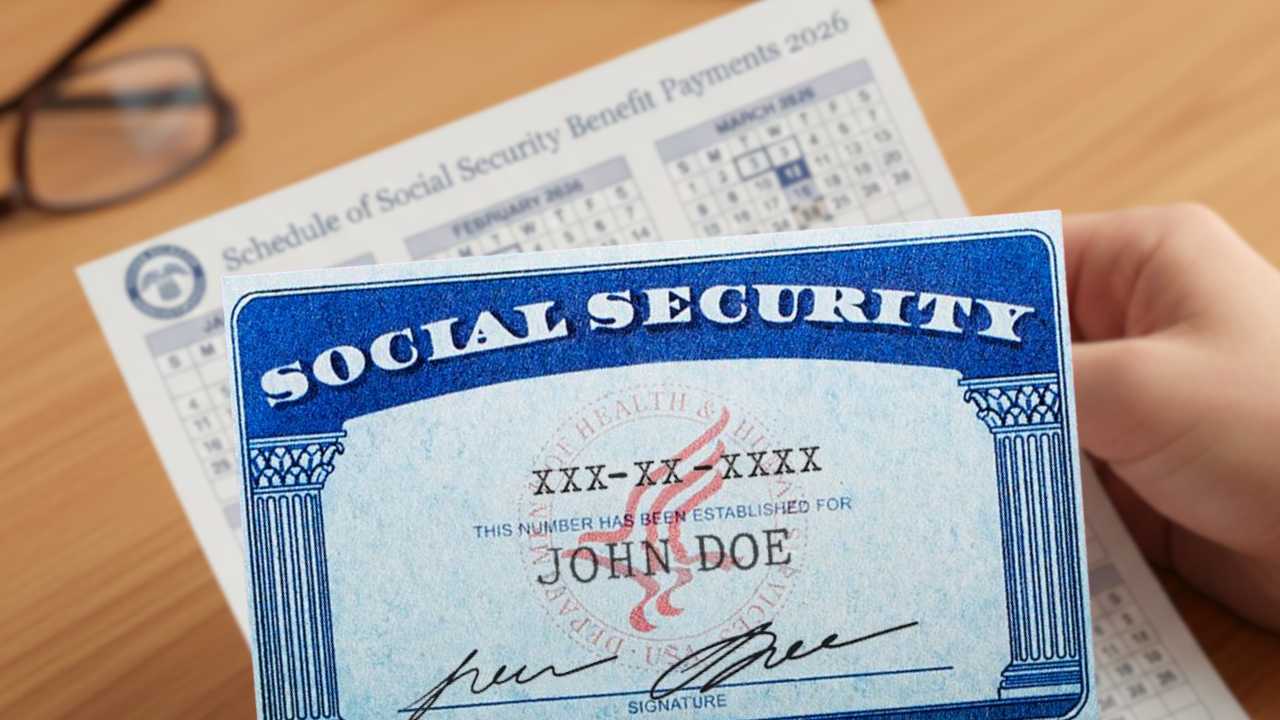
The annual cost-of-living adjustment (COLA) for Social Security benefits is now active as of January 1st in the morning. This year’s increase is set at 2.8%, a figure formally released by the Social Security Administration (SSA) last October. Roughly 71 million Americans will see the change in their payments. When placed alongside recent adjustments, this year’s rise shows a continued moderation; beneficiaries saw a 3.2% boost in 2024 and a 2.5% increase in 2025.
Federal law mandates an automatic annual calculation for this adjustment. The mechanism relies on a specific inflation gauge: the Consumer Price Index for urban wage earners and administrative workers, known as the CPI-W. Officials compare the average CPI-W from the third quarter of the current year—July through September—against the same period from the prior year. The resulting percentage difference becomes the COLA for benefits paid from January onward.
How Much Will Social Security Benefits Increase In January?
Here’s the breakdown of what that percentage means in practical terms. The average monthly check for a single retired worker will climb from $2,015 to $2,071, a raise of $56. For a retired couple, combined benefits will go up by about ninety dollars each month. Over in the Supplemental Security Income program, which supports aged, blind, and disabled individuals with limited income, the new maximum federal payments rise to $994 for an individual and $1,491 for a couple.
It is important to remember that these are standardized averages; individual payment amounts can differ based on a person’s work history and the age at which they claimed benefits.
January’s Social Security Payment Dates
The schedule for January payments accounts for the New Year’s holiday. Individuals receiving SSI got their adjusted payment early, on December 31, 2025. For all other Social Security recipients, the deposit schedule follows the familiar pattern based on birthdate:
- Those who started receiving benefits before May 1997, and people who get both Social Security and SSI, were paid on Friday, January 2.
- Beneficiaries born between the 1st and the 10th of any month will see their payment on Wednesday, January 14.
- Those with birthdays between the 11th and the 20th will be paid on Wednesday, January 21.
- Anyone born between the 21st and the 31st can expect their deposit on Wednesday, January 28.
The agency states there are no expected delays for electronic transfers. A very small segment of beneficiaries—estimated below one percent—still receive paper checks, which can be subject to the regular delays inherent in postal delivery.
Is the 2.8% COLA Enough to Cover Retirees’ Expenses?
This adjustment arrives amid ongoing debate about its adequacy. Advocacy groups, including The Senior Citizens League, argue the CPI-W fails to accurately reflect the spending patterns of older Americans. They note that seniors devote a larger share of their budgets to healthcare, medicines, and housing—categories that have historically seen inflation outpace the broader index.
A November 2025 analysis from the League suggested that the real purchasing power of Social Security benefits has eroded by about 36% since the turn of the century, even with these annual increases.
The broader narrative surrounding this increase remains one of systemic pressure. The 2025 Trustees Report for Social Security reiterated a longstanding warning: the Old-Age and Survivors Insurance (OASI) trust fund reserves could be exhausted by 2033. Should that occur, ongoing tax income would only be sufficient to cover about 79 percent of scheduled benefits.
That projection assumes no legislative intervention and accounts for demographic shifts, particularly the rising number of beneficiaries relative to the number of workers paying into the system. While the annual COLA is a fixed feature, the program’s long-term financial structure poses a significant, unresolved question for policymakers.