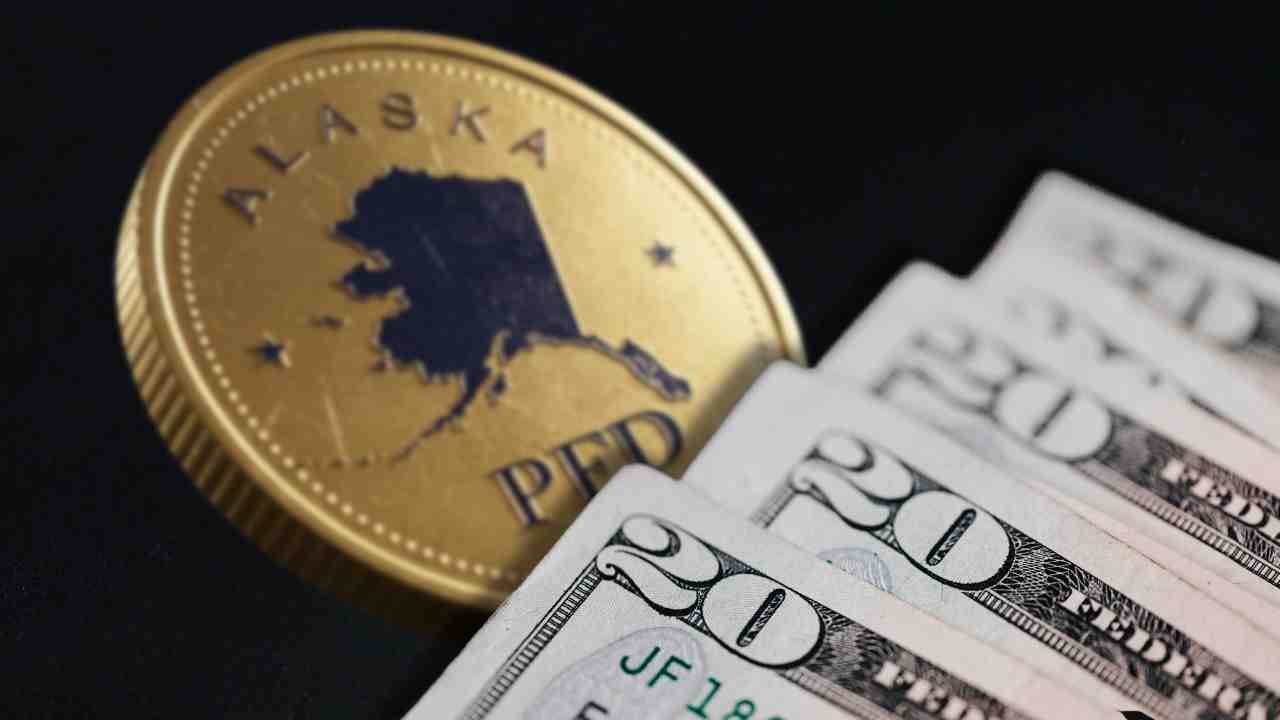
Living in Alaska has its challenges—the long winters and isolation are real struggles—but it also brings a unique perk that residents look forward to every year: the Permanent Fund Dividend (PFD) stimulus checks.
If you’re thinking about applying for the 2026 check, it’s crucial to start planning well in advance, because this process, while rewarding, comes wrapped in a tangle of rules, strict deadlines, and a bit of local politics.
Forget the idea of a “federal stimulus“; this is purely Alaskan, an entitlement derived from the state’s oil and natural resource revenues, and it has become an annual ritual as eagerly anticipated as the first snowfall.
Alaska’s $1,000 PFD: How the 2025 Payment Sets for This Yeat
The first and most sacred commandment is residency. To qualify for the 2026 PFD, simply having a mailing address in Alaska isn’t enough. You must have made the state your sole and undisputed home for the entire 2025 calendar year.
This means that from January 1 to December 31, 2025, Alaska must have been the center of your life. If you were absent, for example, to care for a relative in the South or for a temporary job, every day counts.
Absences exceeding 180 days are a red flag and are only excusable under very specific and documented circumstances, such as medical studies, specialized out-of-state treatment, or being a full-time college student who maintains all ties to Alaska.
Most importantly, deep down, you must have intended to return and remain in the state indefinitely. Under no circumstances can you have claimed residency for voting or tax purposes in another state or country as of December 31, 2024. The PFD office is adept at tracking these inconsistencies, and they do not hesitate to investigate.
The PFD Stimulus Checks Application Is Now Open
The application process itself is a race against time. The window opens on New Year’s Day, January 1, 2026, and closes abruptly, without extension, at midnight on March 31. Gone are the days of endless queues; now everyone will tell you that the easiest way is through the portal.mypfd.alaska.gov.
But be aware, you’ll need your “myAlaska” credentials, the system you also use for other state-related matters. If technology isn’t your strong suit, don’t panic. You can still get the familiar paper applications at public libraries, some post offices, or community assistance centers, but do so well in advance, because mailing them by certified mail before the deadline is crucial.
Finishing Your Application
When you finally sit down to fill out the application, whether on the screen or with a pen, focus. Every field must reflect your current situation. A common mistake is putting in an outdated mailing address or an email address you no longer check.
All vital communication—questions about your application, deposit notifications—will come through these channels. When you finish online, the screen will display a confirmation number. Write it down, take a screenshot, etch it in stone if you have to! It’s your only proof that the system accepted your application. Without it, you’re in the dark.
“Eligible-Not Paid”: What This Status Really Means for Your Stimulus Check
Then comes the waiting, which can be the most frustrating part. Applying in March 2026 doesn’t mean you’ll see the money anytime soon. One year’s dividends are paid the next, so the fruits of your 2026 application will arrive in your account, at best, sometime in 2027. This is where you need to become friends with the “myPFD” tool.
Log in regularly to check the status of your application. You’ll see it go through stages like “In Process” or “Under Review.” The golden status is “Eligible-Not Paid.” Your application reaching this status before one of the secret cut-off dates the Division sets internally is what determines which batch of weekly or monthly payments you’ll fall into.
If you happen to move after applying, update your address immediately on the same portal; if the direct deposit bounces because you closed that account, the bureaucratic hassle to resolve it can take months.