
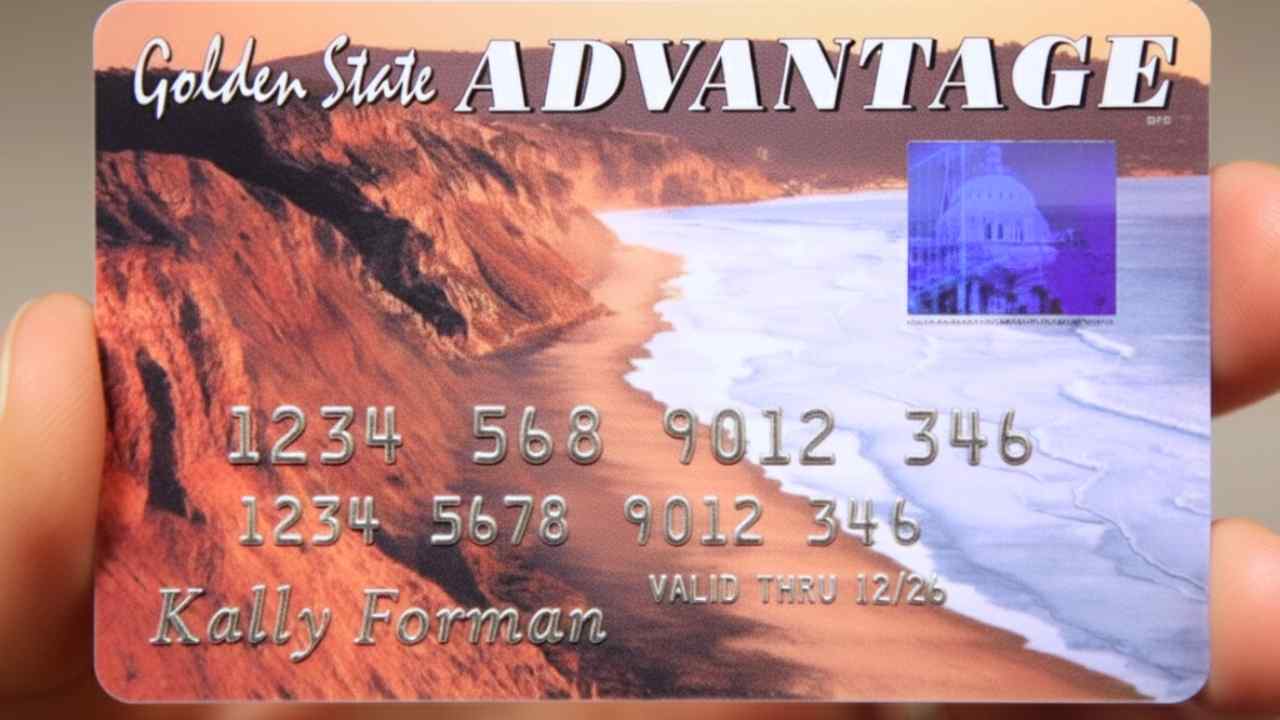
For households across California relying on food stamps’ nutritional assistance, the CalFresh benefit schedule for February 2026 is set. Payments will be distributed across the first ten days of the month.
This program, which is indeed California’s branch of the federal Supplemental Nutrition Assistance Program (SNAP), issues funds electronically for food purchases to qualified low-income residents. The exact date a household receives its funds is not random; it is determined by a specific digit in the case number.
February’s CalFresh Full Schedule
The schedule for February 2026 is straightforward and follows the long-standing pattern. Payments are loaded onto the household’s Electronic Benefit Transfer (EBT) card card, according to the last digit of the case number:
- Case number last digit 1: payment on February 1st
- Case number last digit 2: payment on February 2nd
- Case number last digit 3: payment on February 3rd
- Case number last digit 4: payment on February 4th
- Case number last digit 5: payment on February 5th
- Case number last digit 6: payment on February 6th
- Case number last digit 7: payment on February 7th
- Case number last digit 8: payment on February 8th
- Case number last digit 9: payment on February 9th
- Case number last digit 0: payment on February 10th
This process is fully automated—no action is required from recipients to trigger the deposit. Funds typically become available in the early morning hours of the scheduled date.
It is important to distinguish between assistance types for those enrolled in multiple programs. Households that also qualify for CalWORKs, the state’s cash aid program, will find those separate funds deposited onto the same EBT card within the month’s first three calendar days.
Changes to the CalFresh (SNAP) Program in 2026
Beyond the monthly schedule, recipients should be aware of significant program adjustments taking effect in 2026. A major change involves the reinstatement of federal work requirements for a specific demographic. Beginning February 1, 2026, Able-Bodied Adults Without Dependents (ABAWDs) will face renewed regulations.
Individuals in this category, generally defined as ages 18 through 52 without minor children, will be limited to just three months of CalFresh benefits within a 36-month period unless they meet a work requirement of at least 80 hours per month.
Exemptions From These ABAWD Rules Exist
The excemptions include individuals aged 60 and over, people with disabilities, and households where all members are seniors or have disabilities. Separately, a change regarding immigration status eligibility is scheduled for a few months later.
Starting April 1, 2026, CalFresh eligibility will be restricted to U.S. citizens, U.S. nationals, lawful permanent residents, and individuals in specific humanitarian categories. This represents a narrowing of previous eligibility criteria.
Using Benefits and Resolving Issues
The EBT card is used like a standard debit card at the point of sale. It is authorized for purchasing eligible food items such as fruits, vegetables, meat, dairy products, breads, and even seeds or plants that produce food for consumption.
The benefits cannot legally be used for alcohol, tobacco products, hot prepared foods meant for immediate consumption, vitamins, medicines, or any non-food household items. A key feature of the program is that any unused benefits from a month do not vanish; they roll over and remain on the EBT card indefinitely, provided the account maintains active status.
Finally, let’s point that a deposit may not appear as expected. Standard procedure is to first verify the balance through the official EBT account portal, the customer service phone line, or at an authorized ATM.
While brief processing delays can happen, if funds have not been credited 24 hours after the scheduled date, the next step is to contact the local county social services office for assistance. For general program information or application help, the statewide CalFresh information line is 1-877-847-3663.