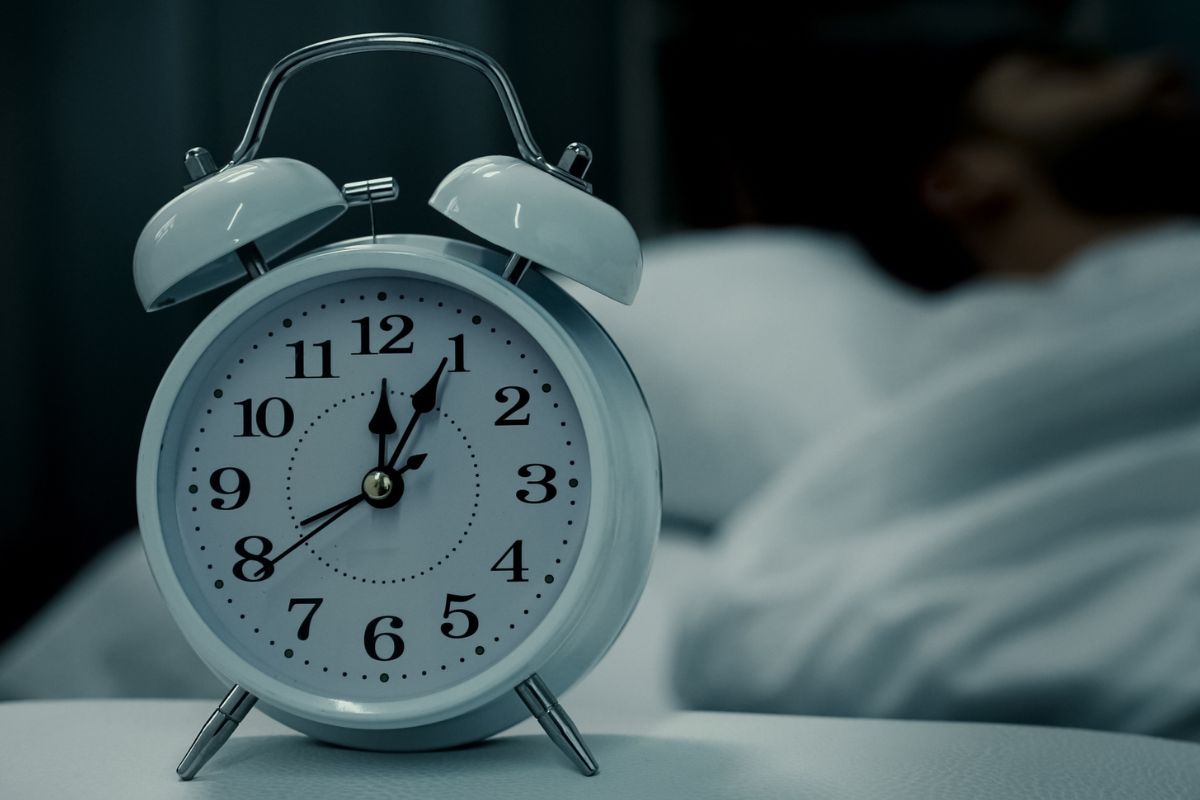
The 2026 Daylight Saving Time (also called DST) kicks off for another year on March 8, 2026. At exactly 2:00 a.m., you won’t have to lift a finger: your clocks will just jump ahead by an hour, flipping straight to 3:00 a.m. Well, you’ll have to manually adjust those analog or non-smart watches and clocks.
It’s that annual moment when most of the United States shifts gears to soak up more evening sunlight during the warmer months. The whole idea is pretty straightforward: make better use of all that daylight we get when the weather’s nice.
Daylight Saving Time 2026 Date for the East Coast
Over on the East Coast, this time shift touches the biggest chunk of the population. Major cities like New York, Boston, D.C., and Miami all move together. When 2:00 a.m. suddenly becomes 3:00 a.m., it throws off the rhythm of sunrises and sunsets just a bit.
You’ll notice the sun creeping up about an hour later than you’re used to, but hey, that also means the evening light sticks around for an extra sixty minutes.
This full spring-forward tradition actually digs its roots back to World War I. Germany was the first to give it a shot, hoping to squeeze more out of their energy supplies during the war. From there, the idea spread, and eventually the U.S. baked it into law after some back-and-forth over the years.
DTS 2026: The Days Are Getting Longer
Because the East Coast is so packed with people, even a one-hour time tweak sends ripples through daily life. Take New York, for instance—on March 8, the sun won’t peek over the horizon until around 7:15 a.m., compared to 6:15 a.m. just the week before.
That extra hour of morning darkness isn’t great for everyone. Farmers and truck drivers, who’ve long been vocal about this, say it messes with the natural flow of their workdays. They’ve never been shy about pointing out how it disrupts routines tied to daylight.
On the flip side, retailers and tourism folks are all for it. Their logic? Longer evenings mean people are more likely to head out, hit the shops, grab dinner, or just hang around outside after work. And the numbers back them up—studies show that when there’s more daylight in the p.m., spending and foot traffic tend to tick upward.
The U.S. Department of Transportation (USDT) has crunched the numbers and found that nationwide, DST trims electricity use by about 1%. But it’s not a one-size-fits-all deal; how much you save depends on where you live, what the climate’s like, and how people in different regions use power.
States Excluded From the Daylight Saving Time
Not everywhere in the U.S. plays along with the time change. Arizona (outside the Navajo Nation) keeps things simple with standard time all year.
The same goes for Hawaii, plus a bunch of U.S. territories: American Samoa, Guam, the Northern Mariana Islands, Puerto Rico, and the Virgin Islands. Each of these places has its own reasons—some geographic, some practical—for opting out.
You might’ve heard that states like Florida have kicked around the idea of picking one-time and sticking with it year-round. But it’s not that easy. Federal law puts limits on what states can do on their own, so any big move like that would need a thumbs-up from Congress.
Meanwhile, the Central Time Zone—think Texas, Illinois, and others—will jump ahead right at 2:00 a.m. local time, same as everyone else. Out west, the Mountain Time folks in Colorado and New Mexico, plus the Pacific Time zone covering California and Washington, all follow the same script, shifting their clocks forward just like the rest of the country.
What Doctors Want You to Know About the Spring Forward
Sleep experts over at the American Sleep Association have pointed out some real headaches that come with losing that hour. For a few days after the switch, you might notice more cars weaving on the highway—accident rates actually tick up, probably because everyone’s running on fumes.
And then there’s the whole circadian rhythm. Your body’s internal clock isn’t a big fan of being pushed around, so it can take a minute for your sleep to feel normal again.
Then, on November 1, 2026, we finally circle back to standard time. At 2:00 a.m., the clocks fall back to 1:00 a.m., handing back the hour we “lost” back in March. It’s not really a gain—just a return to normal—but it does mean suddenly the sun’s calling it quits earlier.
Take New Jersey, for instance. Before the change, sunset’s hanging around until nearly 6:00 p.m. But after we fall back? That evening darkness creeps in way sooner, and it reshuffles everyone’s afternoon plans until spring finally rolls around again.