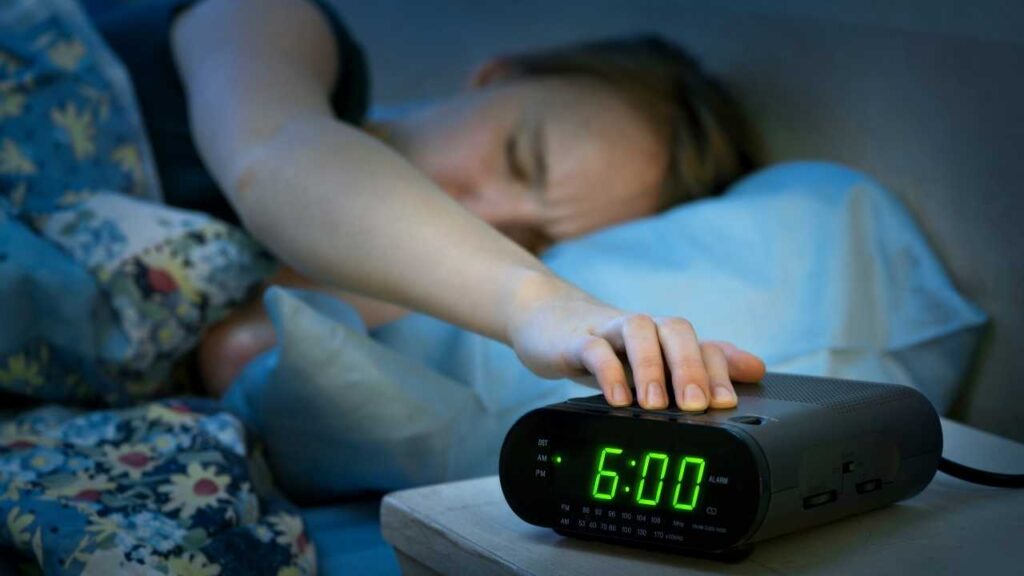
The Daylight Saving Time (DST) is returning once again as a familiar seasonal clock adjustment practice across much of the United States. Its purpose is to take advantage of the greater availability of natural light during the evenings in the spring and summer months.
By 2026, the start of this change will follow current legal parameters and is scheduled to occur as early as possible within the currently established timeline. This system entails a uniform modification in most localities, although there are notable exceptions defined by law.
Daylight Saving Time 2026: When It Applies Across the United States
The specific dates for 2026 are determined by federal regulations. The start of DST, commonly called “Spring Forward,” is scheduled for Sunday, March 8, 2026. At 2:00 a.m. local standard time, clocks should be moved forward one hour, going directly to 3:00 a.m.
This action may make you feel like you’re “losing” an hour, but it actually extends daylight into the evening. March 8th was chosen because, according to regulations, it must be the second Sunday of that month, which is the earliest possible date for this change under current law.
When does “Fall Back” Time end in 2026?
The end of the daylight saving time period, known as “Fall Back,” will occur on Sunday, November 1, 2026. At the same time, 2:00 a.m. local daylight time, clocks will be set back one hour, returning to 1:00 a.m. This adjustment provides an extra hour and shifts natural light into the mornings, shortening daylight hours in the evenings.
The first Sunday in November, which falls on November 1st in 2026, is also the earliest possible date for this seasonal change. In total, Daylight Saving Time will last for approximately 238 days next year.
What Is the Purpose of Daylight Saving Time in the US?
The impacts associated with daylight saving time are the subject of ongoing study and debate. The original argument of energy savings is undoubtedly the most compelling (more daylight hours mean less energy is needed to light Americans’ homes), along with the promotion of outdoor commercial and recreational activities during the longer daylight hours.
However, several studies have called into question the true extent of these benefits in the modern era. A recent poll indicates that “only 12% support the current system” of changing the clocks twice a year.
Meanwhile, medical research has pointed to temporary disruptions in sleep patterns and a statistically significant increase in certain health and traffic incidents after each change.
Other Regions in the US That Do Not Change the Hour
Daylight Saving Time is not implemented uniformly across all U.S. states and territories. Permanent exceptions are established by law. Hawaii and Arizona, for the most part, do not observe Daylight Saving Time and maintain standard time year-round.
A notable exception within Arizona is the Navajo Nation, which does observe Daylight Saving Time to maintain coordination with neighboring regions. This lack of uniformity also extends to the territories.
In addition to the states mentioned, several U.S. territories permanently observe Standard Time. This list includes Puerto Rico, Guam, American Samoa, the Northern Mariana Islands, and the U.S. Virgin Islands. For residents of these areas, as well as those in non-standardized portions of Arizona, there is no need to adjust their clocks on the dates observed in the rest of the country. This situation can create challenges in coordinating schedules for communications and travel.
When Did the Daylight Saving Time Was Born?
Daylight Saving Time has its historical roots in World War I, when it was first implemented in 1918 to conserve fuel. The current law is the Uniform Time Act of 1966, which was later amended by the Energy Policy Act of 2005.
This amendment established the dates in effect since 2007, extending the total period of Daylight Saving Time. The federal legal framework takes precedence over any state initiatives on this matter.
A federal proposal known as the Sunshine Protection Act has circulated in Congress but has not yet received final approval. States such as Florida, Texas, and California have passed local legislation to adopt year-round DST; however, these laws cannot take effect without express authorization from the U.S. Congress. No changes to the current scheme are anticipated by 2026.