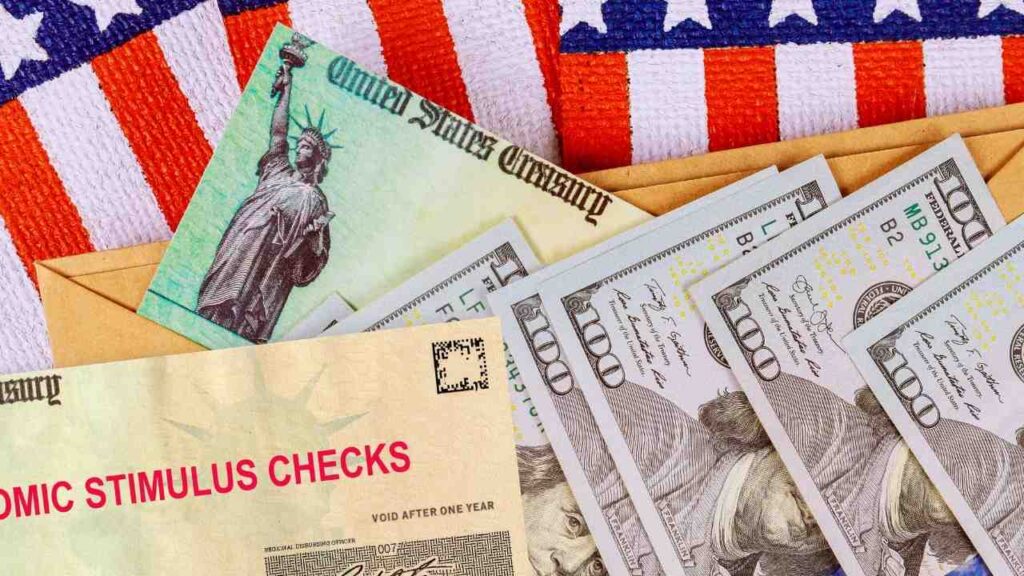
Millions of stimulus checks issued by the federal government during the pandemic, and thereafter, remain uncashed. The existence of these funds in fiscal limbo poses a problem for the federal government because it is money that cannot be used and cannot be accessed.
Furthermore, these stimulus checks are money that legally belongs to their recipients, and that could be used to alleviate onerous expenses or heavy tax burdens that they have to face in a matter of weeks (with the start of tax year 2026).
Would it Be Possible to Claim Stimulus Checks From Previous Years?
In some cases, it is possible to claim old stimulus checks. Some stimulus checks were sent to outdated addresses, while others were not cashed because the taxpayer did not file a tax return.
Other cases in which taxpayers did not receive their money include errors with the Social Security Number (SSN) or the Individual Taxpayer Identification Number (ITIN).
In addition, some checks expired before being deposited, and others went unclaimed because people mistakenly believed they were ineligible. The combination of these factors resulted in a significant amount of undistributed capital.
Millions of Dollars in Unclaimed Stimulus Payments
Physical checks issued by the federal government have a specific expiration date. This period is typically one year from the date of issue. After this period, the financial instrument is no longer negotiable at any banking institution.
However, the expiration of a check does not mean the money behind it is destroyed. Unclaimed funds do not disappear from the system; instead, they remain in limbo until the individual claims the check again.
When a check is not cashed within the stipulated time, the money is returned to the U.S. Treasury. The IRS does not automatically restart the payment process when it detects that a check has expired. The institution does not automatically resend the check.
The responsibility for initiating a claim rests entirely with the taxpayer, since the agencies involved will not do anything further.
The Recovery Rebate Credit Mechanism
For those who did not receive one or more stimulus checks, the IRS established a correction mechanism through the Recovery Rebate Credit. This special tax credit was specifically designed to allow taxpayers to claim the full amount of their owed stimulus payment on their annual tax return. This credit was available on tax returns for each stimulus year.
The IRS found that many eligible people never claimed it, especially those with low incomes who are not required to file a tax return, self-employed workers, ITIN users, and those who changed their immigration status.
These groups, for various reasons, did not complete the declaration process that served as the gateway to credit. Consequently, their right to payment was technically recognized but materially inaccessible.
Some Can Still Have a Chance to Claim the Checks
Even today, some taxpayers can amend past tax returns if they meet the requirements. The procedure for doing so involves filing an amended tax return, using Form 1040-X, for the tax years in which the stimulus payments were available.
This process allows taxpayers to correct the original return and include a claim for the Recovery Rebate Credit. Not all taxpayers are eligible for this amendment, as they must meet the original stimulus eligibility criteria for the year being amended.
You can check your payment history directly with the IRS through your online account or by reviewing your tax transcripts. The IRS online account provides a detailed record of economic stimulus payments issued, showing the amount, date of issue, and delivery method (direct deposit or check by mail).
Tax transcripts, internal IRS documents that summarize tax activity for a given year, also record these payments. Requesting a transcript for 2020 and 2021 can confirm whether the IRS processed a payment on your behalf.
Additionally, it’s advisable to review official IRS letters to confirm whether the payment was sent and received, and to consult with a trusted tax advisor. Letter 1444 and its variant 1444-A were notifications sent by mail to inform taxpayers about the mailing of their stimulus check.