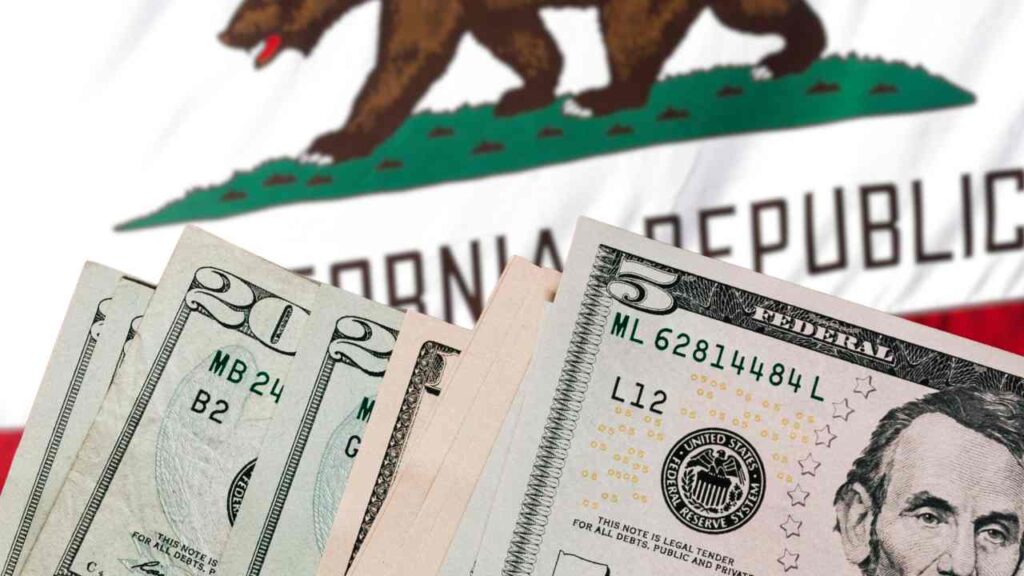
For over a decade, a twice-yearly mark on utility bills has been California’s most tangible link between global climate policy and the kitchen table. As April bills arrive, millions will again see the “California Climate Credit,” an automatic refund that has quietly returned billions to homeowners and taxpayers
But in 2026, this familiar program is undergoing a profound transformation. Forged by landmark legislation and strained by the state’s soaring energy demands, the credit is evolving from a simple rebate into a central component of California’s contentious—and expensive—path to a clean future.
California’s $60 Billion Tax Credit Promise on Your Utility Bill
The mechanics are straightforward for residents. Customers of major utilities like PG&E, SCE, and SDG&E receive a credit on their electricity bills each April and October, with a separate gas credit in spring. The sums are meaningful, not mere token gestures.
Last year, electric credits varied by provider, from about $56 to over $81 per installment, offering many families a combined benefit pushing $200 annually. This money isn’t a government subsidy in the traditional sense.
It is revenue recycled directly from the state’s cap-and-trade market, a system that forces major polluters to buy permits for their greenhouse gas emissions. In effect, the program attaches a cost to carbon and funnels a portion of the proceeds straight back to the public.
From Cap-and-Trade to Your Kitchen Table: The Journey of a Climate Refund
A decisive shift occurred in September 2025. With a stroke of his pen, Governor Gavin Newsom enacted a legislative package that did more than just extend the program; it fundamentally redefined its mission. The once-technical term “cap-and-trade” has been officially retired, rebranded as the “Cap-and-Invest” program with authority stretched to 2045.
Proponents hailed the move, encapsulated in AB 1207, as historic. The new name signals a dual purpose: to limit pollution and to strategically reinvest the proceeds. State projections now suggest a staggering $60 billion in consumer savings could flow back through the electric credit alone over the next two decades.
The law also mandates smarter relief, directing utilities to apply these credits during high-usage months when bills typically spike.
California Quietly Renamed Its Climate Program and Your Wallet Will Feel It
Yet, this expanded promise collides with a harsh reality on the grid. The Climate Credit works within a deeply conflicted energy structure. Even as the credit offers relief, overarching electricity rates are under intense upward pressure.
Two forces are primarily to blame: the colossal cost of modernizing an aging grid for renewable energy and the explosive, power-hungry growth of artificial intelligence data centers.
A telling legislative battle unfolded recently. An initial proposal to explicitly shield households from bearing the grid upgrade costs for these massive data centers was gutted after fierce industry lobbying. The final compromise?
A mandated study, due in 2027—a delay that critics say guarantees residents will keep footing the bill. This tension underscores the state’s core dilemma: how to finance a resilient, clean-energy infrastructure without bankrupting its citizens.
Some Won’s See the Tax Credit
Adding another layer of complexity is the program’s uneven reach. Residents served by municipal utilities, such as those in Los Angeles or Sacramento, see no state credit at all, creating a geographic patchwork of benefits.
All eyes are now on the regulators at the California Air Resources Board (CARB). Their in-tray is overflowing with the complex rulemaking needed to breathe life into the 2025 laws. They must carefully calibrate the emissions cap to meet an audacious 2045 carbon neutrality goal while overhauling rules for controversial carbon offset projects.
Simultaneously, CARB is shepherding other pioneering climate mandates, like the corporate disclosure laws SB 253 and SB 261, which are already facing courtroom challenges from business groups.
Who’s Eligible for California’s Climate Tax Credit in 2026?
Wondering if that California Climate Credit on your neighbor’s bill should be appearing on yours? The answer comes down to one thing: who sends your electricity or gas bill. If you’re a customer of a major investor-owned utility like PG&E, Southern California Edison, San Diego Gas & Electric, or SoCalGas, you’ll receive the credit automatically.
The same goes for customers of many Community Choice Aggregation (CCA) programs, which have become common across the state. There’s no income test or paperwork involved; the credit simply shows up as a dedicated line item on statements in April and October, a direct result of the state’s cap-and-trade program for major polluters.
However, there’s a significant catch that leaves many Californians out. If your power comes from a municipally owned utility—such as the Los Angeles Department of Water and Power (LADWP) or the Sacramento Municipal Utility District (SMUD)—you won’t see this state credit. These city-run operations operate outside the specific regulatory framework that funds the program. This creates an uneven situation where your eligibility isn’t about your actions as a consumer, but essentially your zip code and the historic provider that serves it.