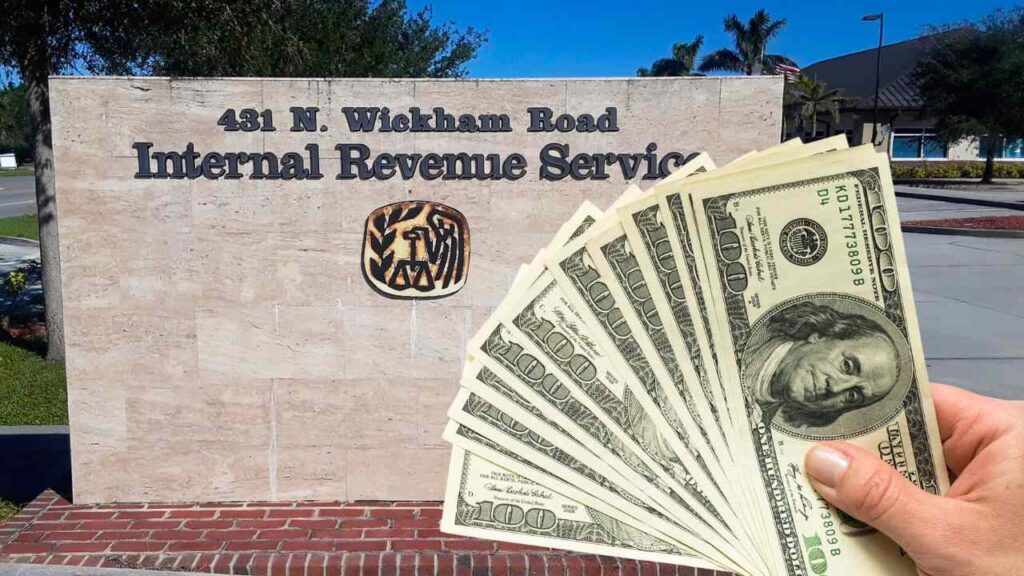
As the new year turns, Washington is priming Americans for what interim Treasury Secretary Scott Bessent promises will be a “gigantic refund year.” On the surface, the math seems simple: the much-touted “One Big Beautiful Bill Act” (OBBBA) cut taxes retroactively for 2025, but most workers never adjusted their paycheck withholdings.
The result, coming this spring, is a forced savings plan paying out in a lump sum: an average refund projected to soar by about $1,000 to over $4,000. The political theater writes itself: a windfall for working Americans just as the election year machinery clicks into gear. But pull back the curtain, and this short-term act of generosity is the opening scene of a far darker and more expensive long-term fiscal drama.
IRS Set for “Gigantic” Refund Year in 2026, Treasury Official Says
Secretary Bessent, in his podcast appearance, nailed the immediate cause: “working Americans do not change their withholdings.” The tax law passed in July 2025, but it applied to the entire year. Payroll departments were slow to adjust, so taxes were over-withheld from millions of paychecks for months.
The IRS isn’t giving out free money; it’s returning what was essentially an interest-free loan from taxpayers. The administration can now brand this obligatory return of funds as a policy victory. Once people update their W-4s, the “raise” disappears into slightly larger paychecks, but the political credit for the one-time bumper refund has already been banked.
Who’s Benefited With These Bigger Tax Refunds?
However, the true cost and distribution of this tax bill reveal a starkly different story from the “middle-class boost” narrative. Independent analyses, including a definitive report from the non-partisan Institute on Taxation and Economic Policy (ITEP), lay bare the arithmetic.
While nearly all middle-income households will see some initial benefit, the ITEP concludes the law will “raise taxes on the poorest 40 percent of Americans” over the long term. The numbers are stark and revealing. The wealthiest 1%, on the other hand, are the unambiguous winners, poised to receive an average annual tax cut of $60,000—a figure that dwarfs the entire income of a median household.
This isn’t just about inequality; it’s about solvency. The Congressional Budget Office, the official scorekeeper, estimates the law will add more than $3 trillion to the federal deficit over the next decade. To suggest, as some proponents do, that this growth will miraculously pay for itself is a rejection of mainstream economic consensus.
The money to fund these upper-income tax cuts must come from somewhere. The logical, and historically proven, endpoints are threefold: deep cuts to essential social programs like Medicaid and Social Security, higher taxes on the broader population down the line, or an unsustainable ballooning of the national debt that mortgages our collective future.
Is This The Prelude of Tax Inequity?
This context makes Bessent’s other headline-grabbing comment—labeling the Federal Reserve the “engine of inequality”—a masterclass in deflection. It’s a compelling soundbite, and research, including a 2024 Fed study, does link monetary policy to wealth disparity.
But the accusation conveniently redirects populist anger away from the deliberate, legislated inequality baked into the new tax code. Which entity, truly, is the more potent engine: a central bank trying to balance employment and inflation with blunt tools, or a legislature that consciously designs a tax system to shift the burden downward? Calling out the Fed is politically safe sport; addressing the engineered inequity in the tax law is not.