In the uncertain economic climate of 2026, the promise of a $2,000 tariff-funded stimulus check, a cornerstone of President Donald Trump’s rhetoric to the middle class, is stuck in limbo. Far from being the “done deal” proclaimed months ago, the initiative is slamming into the wall of legislative reality, constitutional doubts, and cold fiscal math.
What started as a bold campaign pledge is now fading into a “maybe by year’s end,” leaving millions of Americans wondering if the money will ever arrive: are we actually getting stimulus checks? Are they really coming?
Is There Something Stopping $2,000 Stimulus Checks?
The current situation is straightforward, indeed: no checks are being mailed. Despite the public narrative, the process is paralyzed awaiting two critical factors. First, a Supreme Court decision on the legality of Trump’s expansive global tariff regime, with a ruling expected imminently.
Second, and more crucial, the need for Congressional approval, which the White House insists on avoiding. Yes, the three powers of the Nation are divided and independent, and Trump can’t do much about that.
Trump Hesitated, the Nation Is Patient
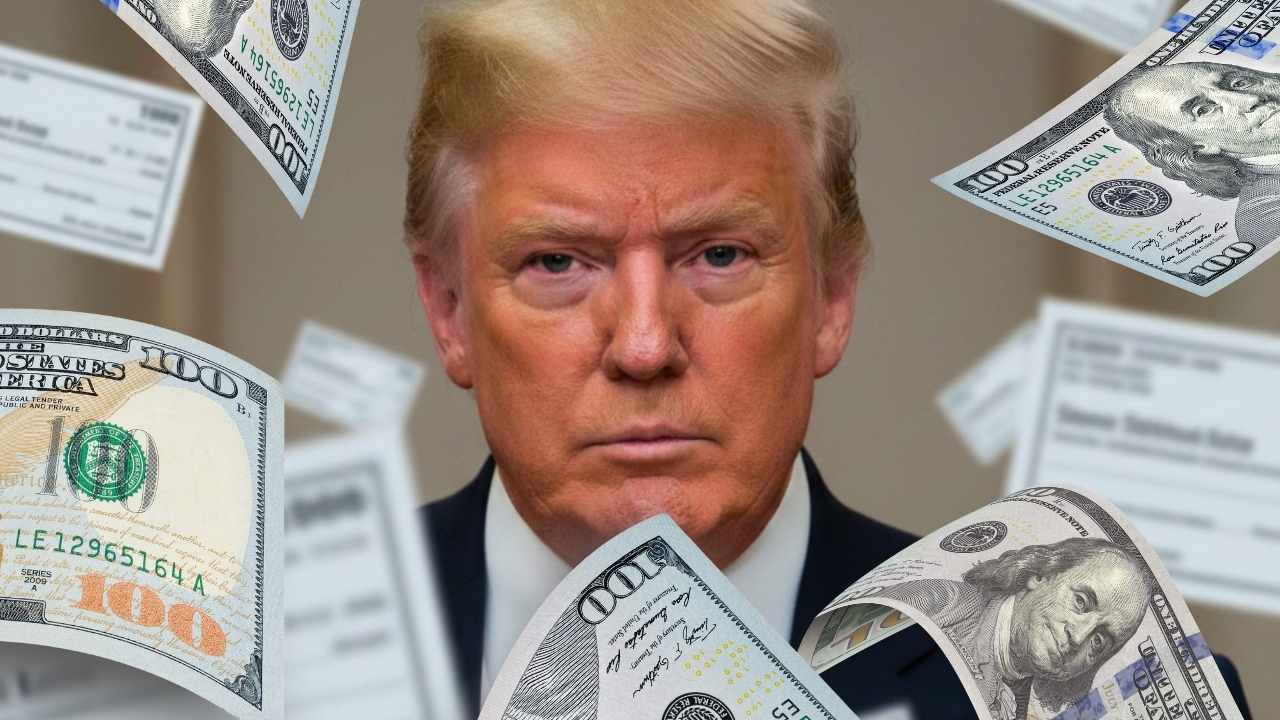
In a revealing interview with The New York Times on January 7th, the president displayed uncharacteristic hesitation. When asked about the $2,000 stimulus checks, his initial response was one of bewilderment: “I did do that? When did I do that?”
After being reminded of his own statements, he reaffirmed the plan but pushed back the timeline: “I’ll be able to do $2,000 sometime. I would say toward the end of the year.” This “toward the end of 2026” marks a significant retreat from the “mid-2026” guarantees given in November.
$2,000 Stimulus Checks: Do the Numbers Add Up?
The core conflict lies in the money and the authority. Treasury Secretary Scott Bessent and White House advisers privately acknowledge that Congress must authorize such spending. Trump, however, contradicts his own officials. “No, I don’t believe we do. We have it coming from other sources,” he claimed, pointing to “substantial” tariff revenues.
But the numbers tell a different story. Bipartisan analysts estimate current tariffs generate between $200 and $300 billion annually. A universal program of $2,000 checks for low- and middle-income households would cost, conservatively, several hundred billion more. The gap is evident.
“The numbers simply don’t add up without massive deficit spending or deep cuts elsewhere,” notes Tax Policy Center chief economist Vanessa Williamson. “The idea that tariffs alone can fund this is, at best, an exercise in creative accounting.”
What the People Are Saying About it
In recent hours, the echo of that interview has dominated conversation on social media and news circles. A viral clip on X shows the moment of presidential hesitation, with comments ranging from skepticism to mockery. “Looks like no stimulus is coming soon,” summarizes one widely shared post. The public narrative is solidifying around doubt, not the promise.
Meanwhile, the $1,776 “Warrior Dividend” for active military personnel, distributed in December, serves as a reminder of what’s possible with clear budgetary allocation. That program, limited in scope and with political support, could be executed. Its existence, however, sharply contrasts with the paralysis of the general stimulus.
The outlook, therefore, is one of indefinite waiting. The ball is in the Supreme Court’s court and, subsequently, in that of a Congress whose relationship with the president remains complex. The promise of $2,000, so effective as a political message, has hit the grinding wheels of governance.
For Americans awaiting that cash injection, the only certainty is that the light at the end of the tunnel, if it exists, has moved several months further away.