
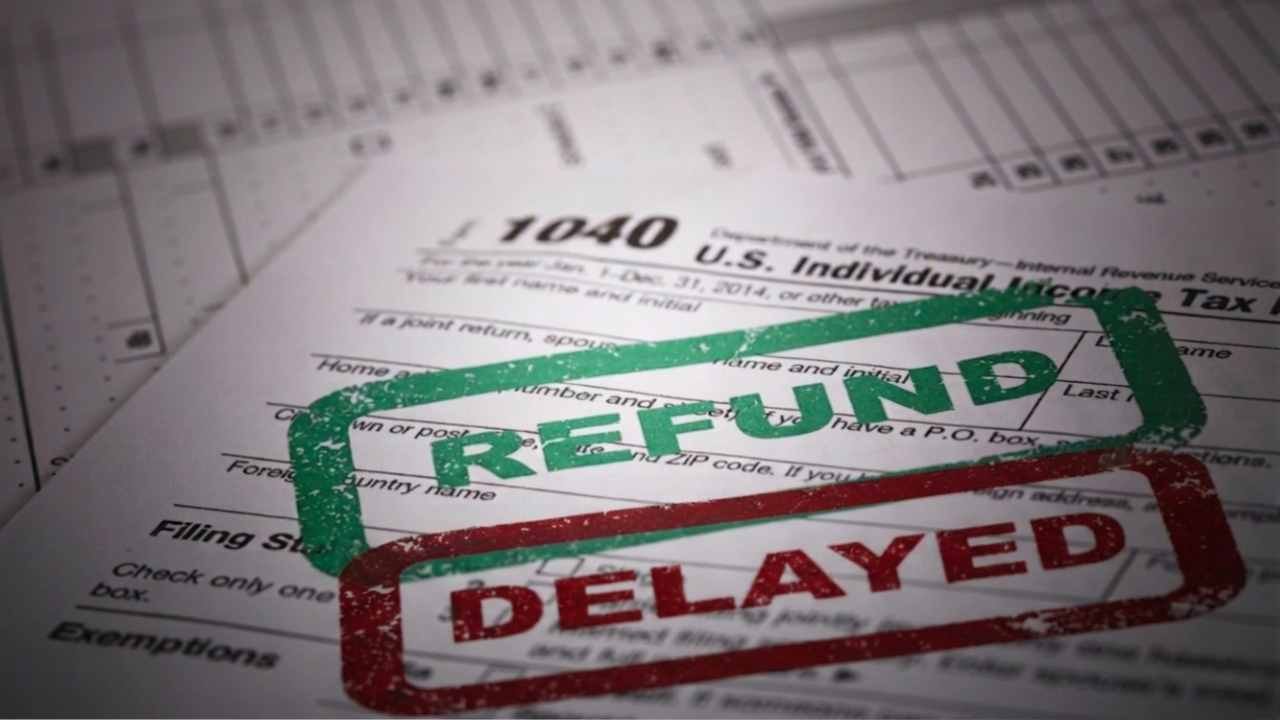
It’s that time of the year when millions of U.S. taxpayers file their federal tax return expecting a refund within a reasonable window. But a fair number of those cases don’t wrap up inside the standard timeframe.
The Internal Revenue Service (IRS) has documented a few recurring patterns that explain why some returns get held up longer than others in the pipeline.
Is Your Tax Refund Accurate Enough?
The first reason boils down to how accurate the details on the form are. A wrong Social Security number, a name that doesn’t match what the feds have on file, or income figures that don’t line up with W-2s or 1099s will trip an automatic alert.
When that happens, the return gets pulled from the normal flow and lands in a manual review queue—a process that can delay it for weeks, sometimes months, depending on how many cases the agency is juggling at the time. And if you mail in a paper return without signing it, you get the same result: everything sits stalled until you fix that omission.
Claiming a Tax Credit Could Delay Your Refund
The second reason involves claiming certain credits. Returns that include the Earned Income Tax Credit (EITC) or the Additional Child Tax Credit (ACTC) are subject to an extra layer of verification required by law. The stated goal is to cut down on improper payments from fraud or mistakes.
As a direct consequence, the IRS can’t legally issue those refunds before mid-February, no matter when you filed. So someone who claims those credits and submits in January won’t get their money any faster than someone who files weeks later.
Some Returns Take (Way) Longer to Process
The third reason has to do with how you submit your return. Paper returns sent through the mail start off at a structural disadvantage compared to e-filed ones. During peak season, a paper return can take anywhere from six to eight weeks to process.
An error-free electronic return with no credits that require special scrutiny, by contrast, usually gets settled in about 21 days. That gap isn’t marginal: it could easily mean the difference between getting your refund this month and waiting until the next tax cycle.
The Last Potential Delay Scenario
Beyond those three main factors, there’s a fourth scenario the IRS also points to as a cause of drawn-out delays: tax identity theft. When a bad actor files a phony return using someone else’s Social Security number before the real taxpayer files, the system flags a conflict.
The agency freezes processing on both returns until it can figure out which one belongs to the legitimate owner. That investigation can stretch on for months, and the affected taxpayer has to actively prove their identity to the IRS through the channels set up for that purpose.
How Internal Workload Affects Turnaround Times
The IRS processes tens of millions of returns during the first few months of the year. Its operational capacity—and the sheer volume of cases that need a human touch—directly determines how quickly any single return gets handled.
A return with no hiccups might sail through within the standard window. But a return with any of the issues mentioned above gets routed into a different queue, with wait times the agency won’t pin down precisely.
Track Your Refund With the Free Tool
The official Where’s My Refund? tool on the IRS website lets you track your return’s status about 24 hours after e-filing, or four weeks after mailing a paper return. The system tells you whether the return has been received, is being processed, or if the refund has been approved. It won’t spell out the specific reasons for a delay, but it does confirm what stage your paperwork is in.
Delays aren’t always the taxpayer’s fault. Sometimes the IRS itself hits internal snags—things like system updates, last-minute legislative changes, or an unexpected spike in filing volume. There’s no fast-track fix available to the public when that happens. In those scenarios, all you can really do is keep an eye on your return’s status through the tools that exist and wait for them to notify you.