As the new year kicks off, a question circulates in kitchens, workshops, and online forums across the country: Will that promised $2,000 stimulus check ever arrive? The answer, as of today, is a resounding silence, yet we’ve decided to find out if there’s any new about it.
First, things first: so far, there is no direct stimulus check scheduled, no check in the mail, and no law authorizing a mass distribution of federal funds. The idea, however, has taken hold in the public imagination, fueled by rumors on social media and the persistent promotion by one person: President Donald J. Trump.


Will Your Bank Account See a $2,000 Stimulus Payment?
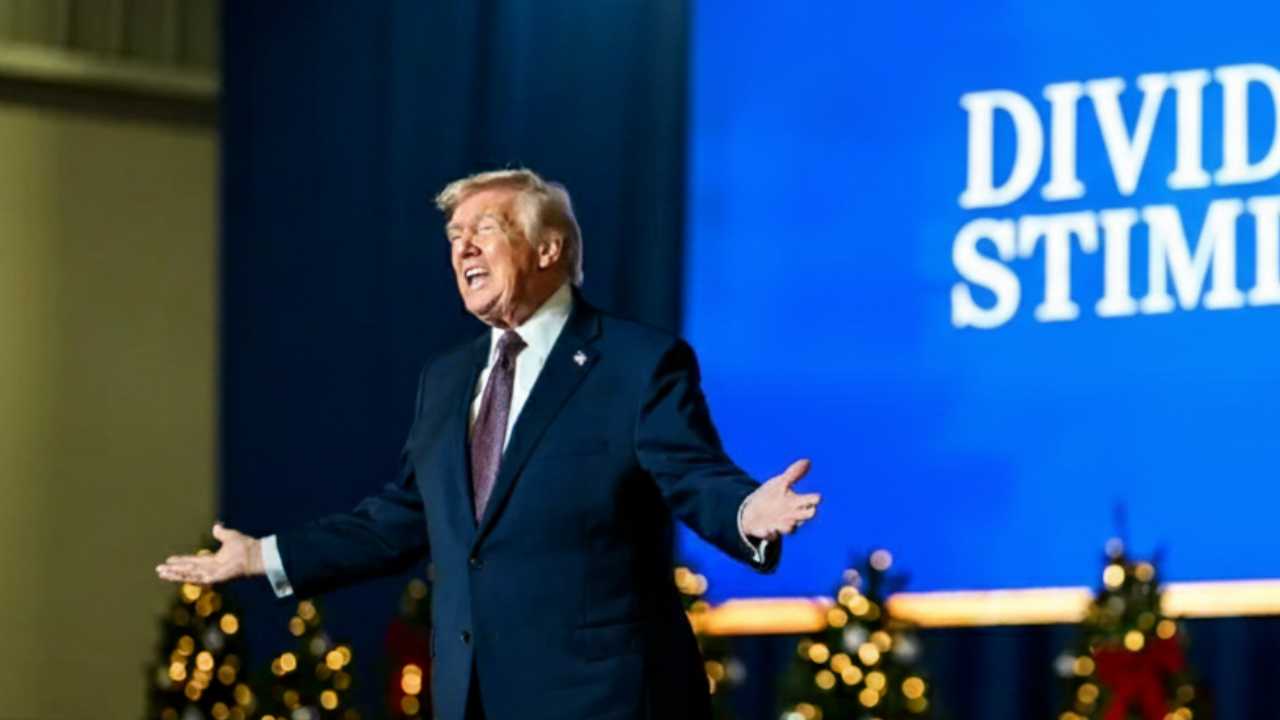
The proposal, dubbed the “tariff dividend”, originated in speeches and interviews by the president in the middle of last year. Trump outlined it as a mechanism to “give back to the American people” the revenue generated by the high import tariffs his administration has implemented and promises to expand.
“It’s going to be a dividend of at least two thousand dollars per person,” he declared at a November rally, specifying that it would exclude the “wealthiest” and benefit “moderate-income workers and families.” The message, repeated in December, was enticing: the taxpayer would not only be protected from foreign competition but would also receive a direct payment as a reward.
The Viral Stimulus Checks Rumor Explained
However, between presidential rhetoric and fiscal reality lies a chasm called Congress. Key White House economic advisors, such as Scott Bessent and former Council of Economic Advisers director Kevin Hassett, have had to clarify this point on several occasions.
Speaking to Bloomberg in late December, Hassett was emphatic: the plan “would require legislation” and could only “move forward” if Congress approves it. This is the first and biggest hurdle. The House of Representatives and the Senate, with their own political calculations and budgetary processes, have shown no hurry to take up a proposal that, in essence, would create a new and costly direct transfer program.
Decoding the Silence from D.C. on New Relief Payments
The first few days of 2026 have brought no substantial news. President Trump’s social media profile hasn’t even mentioned the words “stimulus,” “check,” or “dividend” since before New Year’s. The White House’s public agenda has focused on other issues.
This silence hasn’t been enough to quell the torrent of online speculation. On platforms like Facebook, TikTok, and other social media, videos and posts are circulating that, with a sense of urgency, claim that the payments are “imminent” for January or February. Some even use old news images about pandemic stimulus, further fueling the confusion.
Don’t Fall For Fake News About Stimulus Checks
This ecosystem of disinformation has forced fact-checking organizations and official agencies to take action. FOX 5 DC published a fact-check: on January 1, an article titled “$2,000 Stimulus Check in January? What You Need to Know” was published. Its conclusion, shared by fact-checkers at the Associated Press and Reuters, is that rumors of direct deposits are false and, in many cases, the prelude to scams designed to steal personal data.
The Internal Revenue Service (IRS), for its part, has not issued any statement regarding a new payment program. An off-the-record spokesperson reminded this reporter that “all official information about refunds or credits is first published inIRS.gov”.
Budget experts consulted for this report point to the enormous logistical and political complexities of the plan. “Even if the political will appeared tomorrow, designing the eligibility criteria, integrating it with the IRS and Treasury systems, and securing funding through tariff revenues—which are volatile and subject to legal disputes—would take months, not days,” explains one expert on the subject. “Talking about a payment by mid-2026 is overly optimistic, even in the best-case scenario.”