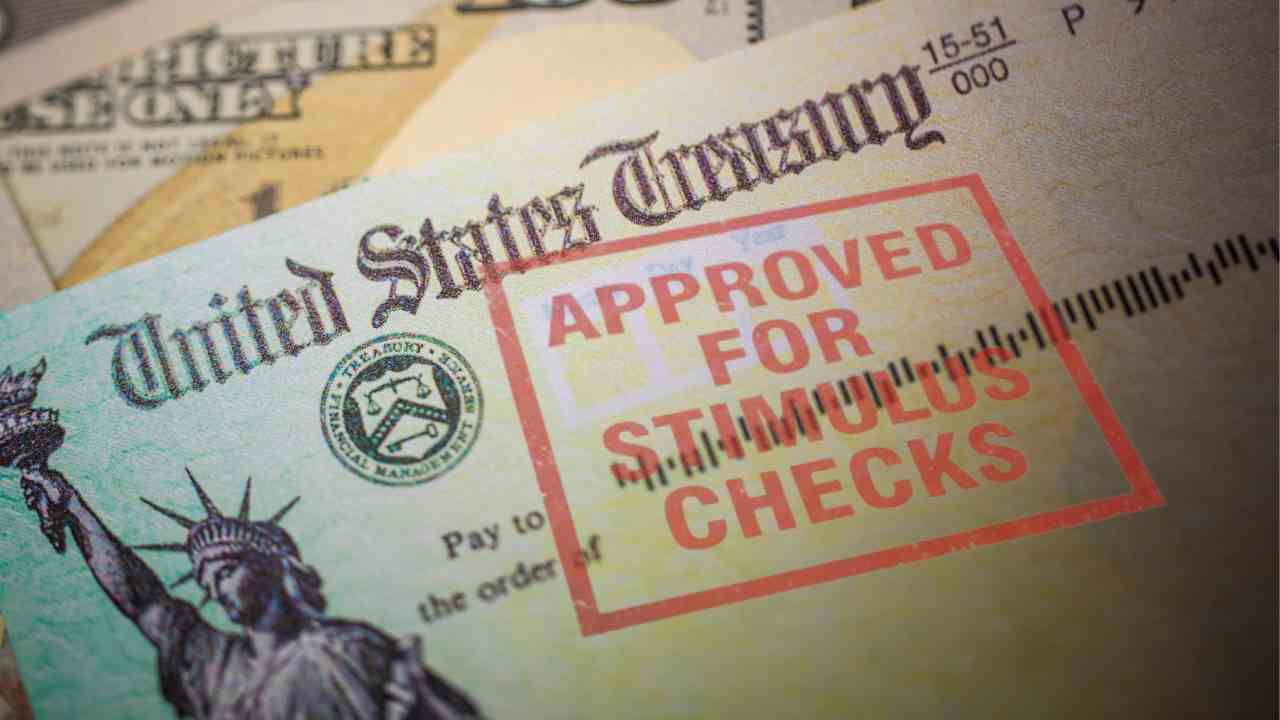
The Trump administration has introduced a proposal to distribute stimulus checks to U.S. citizens, up to a maximum of $2,000 per person. This proposal describes the disbursements as a “dividend” for taxpayers. The funding mechanism would rely on revenue generated by imposing tariffs on a variety of imported goods.
The federal revenue, estimated in the billions of dollars, would come from increased or new tariffs on foreign goods. Under this proposal, a percentage of these funds would be directly reimbursed to households in the form of stimulus checks.


The idea, in essence, is that money entering the treasury for one reason and leaving for another would bypass the traditional domestic tax system, thus avoiding further burdens for taxpayers.
How the $2,000 Tariff-Funded “Dividend” Stand By Today
This scheme does not yet have authorized program status, but it is viewed favorably by a large portion of the American public. There is no specific legislation to support it, nor have operational parameters been defined, although many are already considering how they could invest or use the $2,000.
Important elements of the proposal, such as a payment schedule, eligibility rules for beneficiaries, and the final agreed-upon amount, remain without official confirmation. Any future implementation would depend on action by Congress, the legal viability of the proposed fees, and the sustainability of these revenue streams in the medium and long term.
Trump’s Stimulus Checks: What Is Their Real Status?
Proponents of the measure offer three key arguments for its approval. The first is that the tariffs would be paid by foreign exporting companies, not by American taxpayers or consumers. This assertion is a point of intense debate among economists and trade analysts, many of whom argue that the costs are ultimately absorbed by supply chains and, eventually, by the final consumers.
A second argument points out that the direct payment would provide relief to families facing rising living costs. The injection of liquidity would aim to alleviate the pressure of essential expenses such as food, energy, and housing. The third point presents it as an economic incentive that does not require raising domestic taxes or directly increasing the fiscal budget deficit, as it is linked to a specific revenue source.
Should the proposal materialize into a concrete program, several actions could have negative financial consequences for potential recipients. A common mistake in similar situations is taking the money for granted before it is actually received.
Planning expenses, taking on debt, or making large purchases with these funds carries risk, as the legislative process may be delayed, modified, or the measure may even be canceled.
Don’t Make These Mistakes if You Receive a $2,000 Stimulus Check
Another significant risk is exposure to scams or fraudulent registrations. The expectation of government payments often leads to a proliferation of phishing and fraud campaigns.
Fraudulent websites, text messages, and emails emerge promising to expedite the process or guarantee payment in exchange for personal or financial information. No official program requires upfront payment of fees, the submission of passwords, or the provision of complete bank details through unverified channels.
Stimulus Checks: Wisely Using the Money
The tax implications or the impact on income-based public assistance represent another area of potential complication. Depending on the final legal classification of the disbursement, it could be considered taxable income when filing taxes.
It could also affect eligibility for or the amount received from social assistance programs, which have strict income limits. Failure to consult with an advisor could result in unexpected tax liabilities or the temporary suspension of other benefits.
A fourth common mistake is deciding to spend the entire amount on impulse purchases or non-essential items. Treating the payment as purely discretionary money can lead to its rapid depletion without lasting benefit. In contrast, allocating it to reducing high-interest debt, creating or increasing an emergency fund, or paying off outstanding essential expenses typically offers a more positive impact on personal financial stability over time.
Stimulus Checks vs. The Impact of Tariffs
An incomplete analysis would ignore the impact of tariffs on the domestic economy. If import tariffs do indeed raise the cost of general consumer goods, from household appliances to vehicle parts, price increases would occur across various sectors.
This higher cost of everyday consumption could partially or completely erode the additional purchasing power provided by the direct payment, an effect that must be considered when assessing the true net benefit.