
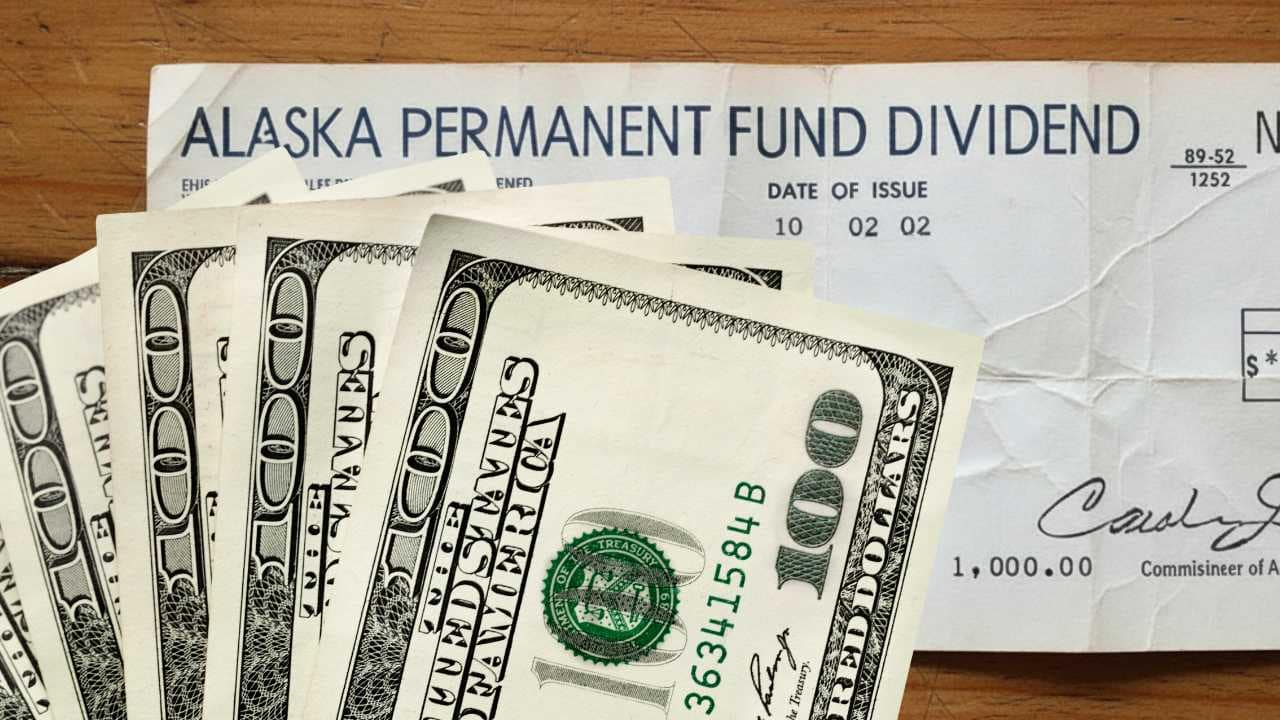
In the northernmost reaches of America, an annual routine sets the economic pulse for thousands of households. It’s not the arrival of winter, nor the fishing season: it’s the stimulus checks time of the year.
It’s the opening of the application period for Alaska’s Permanent Fund Dividend (PFD), a unique-of-a-kind stimulus check program that for many represents a financial rescue or the impetus for long-postponed projects. In 2026, the process begins once again on New Year’s Day, initiating a race against time where information is the most valuable currency.


Authorities have confirmed that the window to claim the 2026 Permanent Fund (PFD) will open promptly at 9:00 AM on Thursday, January 1, 2026. The window will close, without extension, on March 31.
2026 PFD Stimulus Checks: Dates, Amounts and More to Know
This strict three-month deadline is the only opportunity of the year. “There is no automation here,” explains a source from the PFD program who prefers to remain anonymous. “If you don’t apply, you simply don’t receive your share of the Permanent Fund. Every year, people miss out by assuming it’s automatic.”
The primary method is digital. The official portal, pfd.alaska.gov, operated through myAlaska accounts, will be the central hub. While paper applications are available, they are a secondary and less efficient option, reserved for cases with insurmountable technological barriers. Experts strongly recommend the online route, not only for its speed but also for the reduction of errors and instant confirmation.
The PDF Stimulus Checks: Eligibility and Application in 2026
But the crux of the matter isn’t the “how,” but the “if.” Eligibility for the 2026 dividend isn’t decided next year; it was established throughout the entire 2025 calendar year. The fundamental requirement is uninterrupted residency in Alaska for those twelve full months, accompanied by the intention to remain indefinitely.
Furthermore, it’s required not having claimed tax residency or benefits in another state, and not having shown signs of settling elsewhere.
The rules are a complex system designed to separate legitimate residents from opportunists. Absences from the state are permitted, but under close scrutiny. Up to 180 days are allowed for any reason, but exceeding that limit requires falling into very specific categories:
- full-time higher education,
- active military service,
- prolonged medical treatment,
- or caring for a critically ill relative,
- among others.
Each additional day must be justified under these categories, and any absence exceeding 90 days must be explicitly declared in the application. There are also automatic disqualifiers: a felony conviction during 2025 or the resulting incarceration.
How Big Will the Stimulus Checks Be?
Groups with specific circumstances, such as military personnel and students, navigate their own regulations. An active-duty service member deployed outside of Alaska maintains their eligibility as long as Alaska is listed as their legal state of residence on military documents.
Their accompanying spouses and dependent children are also protected. For students, full-time enrollment at an accredited out-of-state institution is a permitted absence, but with a crucial catch: they generally must be paying non-resident tuition. Paying the in-state rate is a red flag that can lead to disqualification.
The final amount to be distributed in 2026 remains a mystery. Remember that in 2024, over 600,000 checks for $1,702 each were distributed, but the amount dropped to $1,000 in 2025 (although it was originally projected to be up to around $3,000, an amount that was not implemented). As soon as we receive the information from official sources, we will let you know.