
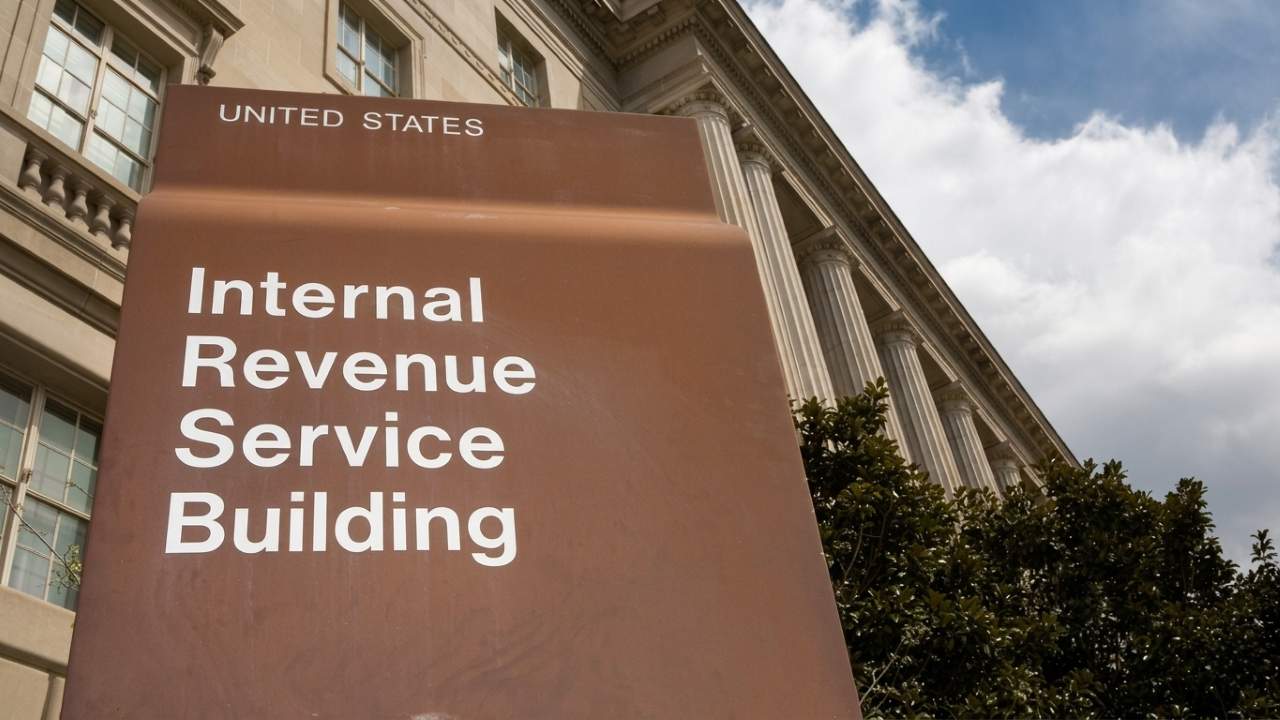
The Internal Revenue Service (IRS) put out an announcement on April 27, 2026, about a different administrative process for certain taxpayers whose Employee Retention Credit (ERC) applications were turned down. The measure, laid out in release IR-2026-58, gives people who got denied a way to ask for a time extension on their legal deadline without having to jump straight into a refund lawsuit in federal court.
When the IRS says no to an ERC claim, either fully or partially, it sends the taxpayer a Letter 105-C (full denial) or a Letter 106-C (partial denial). Starting from the date on that notice, the taxpayer gets two years to either sort things out through administrative channels or file a refund lawsuit in federal court if they disagree with the agency’s determination.
What makes this situation tricky is that filing a protest or an appeal with the IRS Independent Office of Appeals does not pause or stretch out that two-year clock. Once the two years run out, the IRS legally cannot issue a refund, even if later on the appeals office decides the taxpayer should have gotten the credit.
What taxpayers can do next
The April 27 announcement came because the agency spotted a group of taxpayers whose two-year deadlines were getting close to expiring. Denial notices sent out in bulk during the summer of 2024, around 28,000 letters by official counts, created a situation where many cases were still sitting in administrative review while the legal window to sue was running down.
To use this new simplified procedure, a taxpayer has to meet two conditions at the same time. First: waiting for the IRS to review their response to the denial notice from a Letter 105-C or 106-C. Second: having six months or less left on the original two-year period.
The mechanism works by submitting Form 907, which is called “Agreement to Extend the Time to Bring Suit.” Under the old rules, the IRS and a taxpayer could already agree in writing to extend the time to sue, as long as both signed the form before the original deadline expired.
Application process: What the new mechanism covers
The simplified process removes some previous administrative hurdles. Taxpayers who meet the requirements can send Form 907 through the IRS’s Document Upload Tool, selecting the option for notice CP320B from a dropdown menu on the agency’s website.
The IRS, on its end, will start mailing Notice CP320B (“Important Reminder Regarding Your Disallowed Employee Retention Credit (ERC) Claim”) to taxpayers it identifies as eligible. That notice includes a QR code that leads directly to a fillable version of Form 907.
IRS Signs Form 907 To Extend ERC Deadline
The agency will review each request and give “due consideration” to properly executed Form 907 submissions. Taxpayers get written notice if the IRS accepts the extension. If approved, the agency sends back a countersigned form to the taxpayer or their authorized representative. The extension only becomes valid once the IRS signs the document.
A key limitation is that this mechanism only applies to denials tied to Letters 105-C or 106-C for the ERC. Form 907 requests for denials related to other tax issues won’t be handled through this simplified route, so those taxpayers have to use regular IRS procedures instead.
The Taxpayer Advocate Service, an independent office inside the IRS, said this new process fixes a situation that could have hurt taxpayer rights. The two-year deadline set in the Internal Revenue Code (IRC § 6532(a)) keeps running while a case goes through IRS administrative levels, which in fiscal year 2025 took on average 337 days from the initial appeal request to a final resolution.
Tax season 2026 numbers and an ongoing court case
Traditional news media kept putting out information about the 2026 tax season that formally ended April 15. The IRS reported that more than 80% of refunds were issued in less than 21 days, with an average of $3,521 per taxpayer, which represented an increase of about 11% from the previous period. Electronic filing hit rates above 98% of all returns submitted.
Separately, a lawsuit filed by President Donald Trump against the IRS continues to move through the courts without a final resolution. The litigation, for approximately $10 billion, alleges the agency leaked the president’s confidential tax information to media outlets between 2018 and 2020. A federal judge expressed jurisdictional concerns about whether there is a genuine controversy between the parties, given that the president controls both ends of the litigation.
The parties asked the court for a 90-day pause while they explore possible negotiated solutions. A hearing is scheduled for May 27 in Miami, where the judge will decide if the lawsuit meets the constitutional threshold to proceed.