
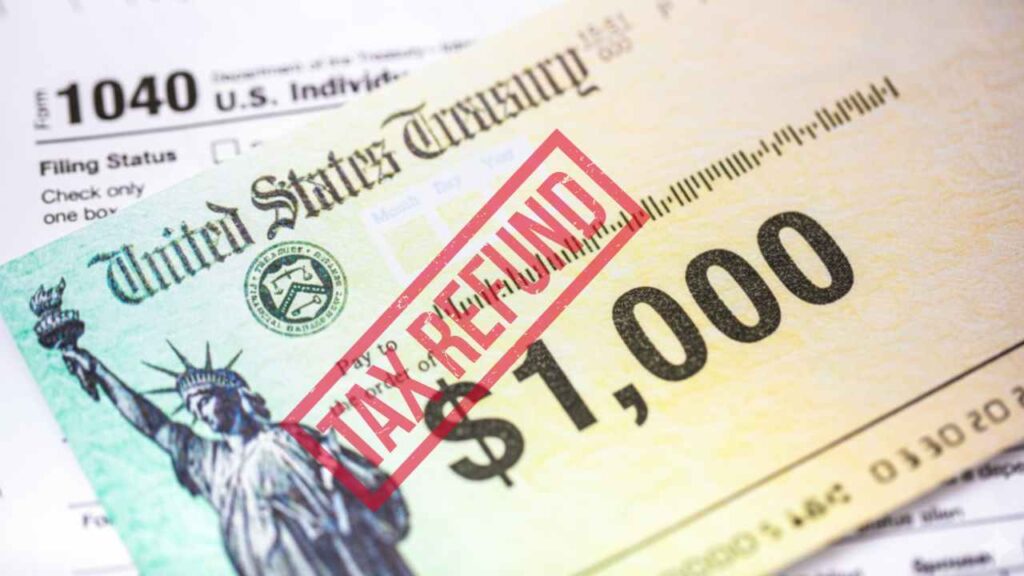
The United States Congress enacted the One Big Beautiful Bill Act (OBBBA), a law containing substantial tax benefits. These provisions took effect retroactively, effective January 1, 2025. The legislation is projected to generate a significant increase in income tax refunds during the upcoming tax season.
It is expected by experts in the fields that this could be the largest tax refund season in the country’s history, in terms of total financial volume distributed to taxpayers.
How The OBBBA Law Affects Your Return Next Year
The Big Beautiful Bill incorporates multiple modifications to the tax code. Among the most notable changes are the exclusion of tips and overtime pay from income tax. It also establishes a senior citizen bonus deduction and a permanent increase in the standard deduction amount. Another significant modification is the expansion of the Child Tax Credit, increasing both its value and scope.
According to estimates from the Joint Committee on Taxation (JCT), these measures will provide $191 billion in new tax relief for fiscal year 2026. This expansion of benefits for taxpayers would be the largest aimed at the working class since the implementation of the Tax Cuts and Jobs Act (TCJA) in 2017.
The recent legislation also has the effect of making permanent certain provisions of the TCJA that were scheduled to expire.
An Extra $1,000 Back? Average Tax Refund Expected Impact
The regulations regarding the absence of tax on tips are inclusive. The exemption applies to all workers who receive income from tips, without distinction between traditional employees and self-employed individuals.
The benefit is also independent of the taxpayer’s tax status, whether they choose to claim standard deductions or itemized deductions on their tax return. The provision covers both tips received directly from customers and those distributed through a tip pooling agreement.
New Small Business Tax Break
For taxpayers who own small businesses and file individual income tax returns, the law introduces additional incentives. It establishes the permanence of the immediate expense provisions for equipment purchases.
This allows these businesses to deduct the full cost of new equipment purchases in the year they are made, rather than depreciating them over several years. This mechanism directly reduces the business’s annual tax bill, which in turn can result in a larger refund when filing their tax return.
IRS Updates: Which Tax Forms Will Change For 2026 Filing
The Internal Revenue Service (IRS) issued related administrative guidance on August 7. The agency announced that it would not be making adjustments to the W-2 or 1099 withholding guidelines for tax year 2025. Consequently, the new withholding forms and tables will not take effect until the 2026 tax year. This administrative decision has direct implications for calculating payroll withholding taxes for the current year.
The combination of substantial tax cuts and the IRS’s withholding guidance creates a specific scenario. Tax analysts project that taxpayers will experience a historic increase in the amount of their refunds when they file their returns in 2026.
This phenomenon will be due to the fact that taxable income will have decreased during 2025 thanks to the new exemptions, while withholding taxes will remain based on previous parameters, which are less accurate for this new context.
The figures quantify this impact concretely. According to JCT data, Americans are expected to receive an additional $91 billion in tax refunds. This amount would be supplemented by another $30 billion in net pay resulting from a reduction in 2026 withholding. In total, this amounts to an estimated $121 billion in aid directed to families. On an individual level, the average taxpayer is projected to see their refund increase by approximately $1,000 compared to the previous year.