
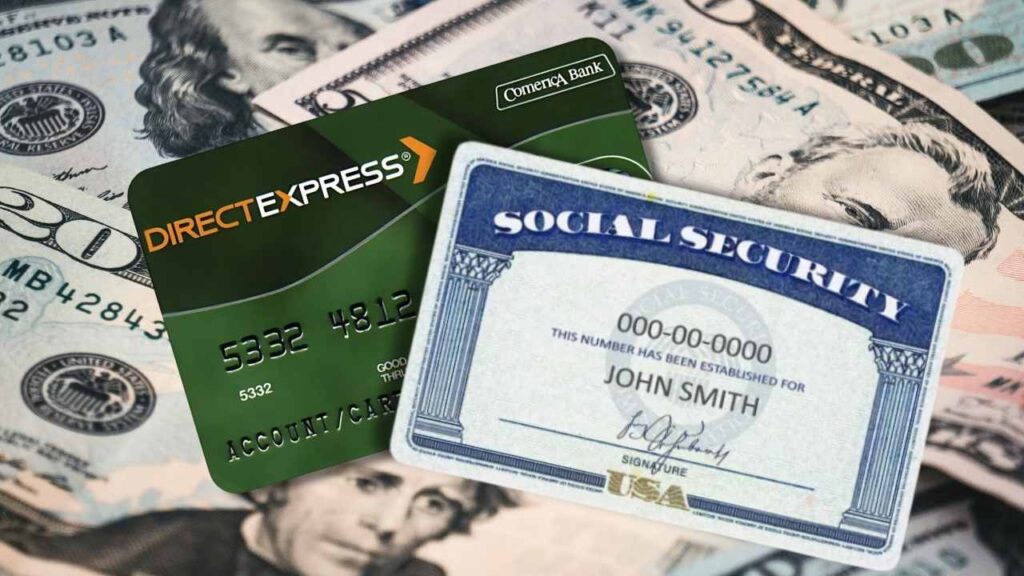
Wednesday, April 15, isn’t an official holiday, nor does it commemorate any battle or treaty. But for a specific segment of the American population, that day carries the quiet weight of the dates that truly matter: it’s when the money arrives. Social Security recipients born between the 11th and 20th of any month know, without needing reminders, that the third Wednesday of April is theirs.
They weren’t the first to receive their payments. That privilege belonged to others. On April 1st, those receiving Supplemental Security Income (SSI) were paid. On the 3rd, those who had been in the program since before May 1997, veterans of a system that operated under different rules, received theirs.
On the 8th, those born in the first ten days of the month will be paid. Only then did the middle group, the one that closes the first half of the Social Security Administration’s monthly payment schedule, get theirs.
The Next Social Security Group Is Getting Their Retirement Payments
There’s a logic behind all of this, and it’s not arbitrary. The SSA moves a sum of money each month that would collapse any banking system if processed all at once. The staggered payment system exists to distribute that pressure over time, so the banks can absorb the volume smoothly.
The beneficiary rarely thinks about that when they check their account balance. They think about the gas bill, the pharmacy, and whether they have enough for groceries.
This April, the pension payment includes something extra compared to previous months. Since January, the 2.8% cost-of-living adjustment (COLA), calculated annually by the Social Security Administration (SSA) based on price fluctuations, has been in effect.
How the COLA Increase Impacts Retirement Payments
In practice, this translates to an additional $56 per month for the average retiree. The typical pension check is now around $2,071, although this figure is just an average that masks a huge disparity: some receive significantly more, while others receive considerably less, depending on how much and for how many years they contributed during their working lives.
The deposit arrives automatically, without you having to do anything. This automaticity is one of the most tangible advantages of the direct deposit system, which the SSA has been promoting over physical checks for years.
Those who still receive paper checks in the mailbox can expect an extra day’s delay, plus the uncertainty of the mail. Those who have a bank account or a Direct Express card set up see the money appear without any human intervention.
Some Bank Deposits May Show Up in the Next Days
But the money doesn’t always arrive first thing in the morning. Banks process deposits at different times of the day, and two people in the same group might see their payments credited just hours apart. If the money isn’t there by the end of the 15th, the SSA recommends not calling yet: the official timeframe is three business days. After that period, if there’s no update, then you should contact the agency.
Before we move on, for those born between the 21st and the 31st, the wait continues until Wednesday the 22nd. That’s the last payment of the month, the one that closes the April cycle before everything starts again in May.