
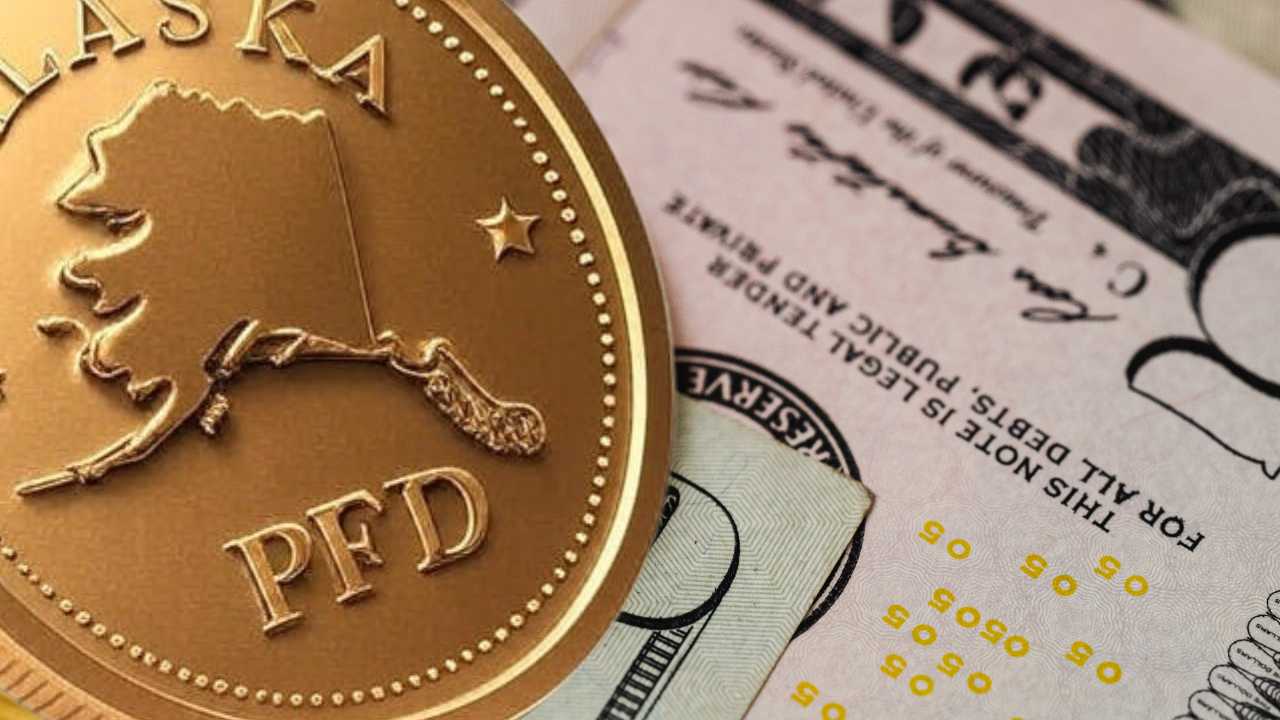
On December 18, a final wave of payments from Alaska’s unique oil-wealth sharing program will reach residents, providing a $1,000 stimulus checks during the costly winter months. This distribution marks one of the last scheduled payouts for the 2025 Permanent Fund Dividend (PFD), a program that remains a critical, yet contested, pillar of the state’s economy and identity.
The Alaska Department of Revenue confirmed that applications which reached “Eligible-Not Paid” status by December 10 are slated for the December 18 distribution. This batch primarily encompasses applications that were processed later due to verification, appeals, or other reviews, following earlier mass payments in October and November.


For eligible Alaskans, the method of payment is determined by their application: direct deposit funds are expected to be available on the 18th, while paper checks will follow by mail.
PFD Stimulus Checks: A Smaller Dividend in a High-Cost State
The 2025 PFD of $1,000 represents a significant reduction from the previous year’s $1,702 payment. This drop occurs against a backdrop of persistent inflation affecting the costs of fuel, groceries, and essential services.
For many families, particularly in remote rural communities where the cost of living is exceptionally high, the annual dividend is not a bonus but a vital component of their household budget, often directly allocated to heating oil, winter food supplies, and seasonal debts.
The state estimates that over 600,000 residents will receive the 2025 dividend, injecting more than $600 million into the local economy. Economists often view the PFD as a regional economic stabilizer, with the spending surge supporting local retailers and service providers.
The Enduring Dispute Over the PFD Stimulus Checks Formula
The $1,000 figure lies at the heart of an ongoing political struggle. By law, a statutory formula exists that would have calculated a 2025 dividend of over $3,000, based on the five-year average performance of the $73 billion Alaska Permanent Fund. However, since 2016, the legislature has abandoned that formula, instead setting amounts through the annual budget process to also fund state services like education, healthcare, and public safety.
This tension between a full “statutory” dividend and a smaller “appropriated” one defines Alaska’s fiscal politics. A citizen-led petition demanding a return to the original formula garnered nearly 16,000 signatures this fall, arguing that the state is denying Alaskans their “rightful share”.
Governor Mike Dunleavy, a longtime proponent of the larger formula, included a record $3,650 statutory PFD in his recently proposed 2027 budget—a clear political statement, though the final amount will be determined by the legislature. “The law still stands,” said Stephen Spann, a disabled veteran who started the petition. “It wasn’t repealed or revised or anything”.
The Fund’s Performance in the Near Future
The Alaska Permanent Fund Corporation (APFC), which manages the fund, reports a disciplined, long-term investment strategy. The fund delivered a 4.94% return for Fiscal Year 2025, with a stronger five-year average return of 9.59%.
Each year, a portion of investment earnings is transferred to the state’s Earnings Reserve Account (ERA), from which both the PFD and contributions to the state budget are drawn. This structure is designed to protect the principal for future generations while using earnings for current needs.
End of year maintenance and preparation for the 2026 PFD filing season, myPFD and RPFI will be unavailable beginning Friday, December 26, 2025, at 4:00 PM until 9:00 AM on January 1, 2026. – Alaska’s APFC
What Residents Need to Know
Eligibility for the PFD hinges on strict residency rules. Applicants must have lived in Alaska for all of calendar year 2024 with the intent to remain indefinitely, and they cannot have claimed residency elsewhere. Certain felony convictions or extended incarceration during the qualifying year can also lead to disqualification.
Residents are encouraged to check their application status through the official myPFD portal at pfd.alaska.gov. Those whose applications are still “In Review” by the December 10 cutoff may be included in the next scheduled payment batch on January 15, 2026, provided they achieve “Eligible-Not Paid” status by January 7.