
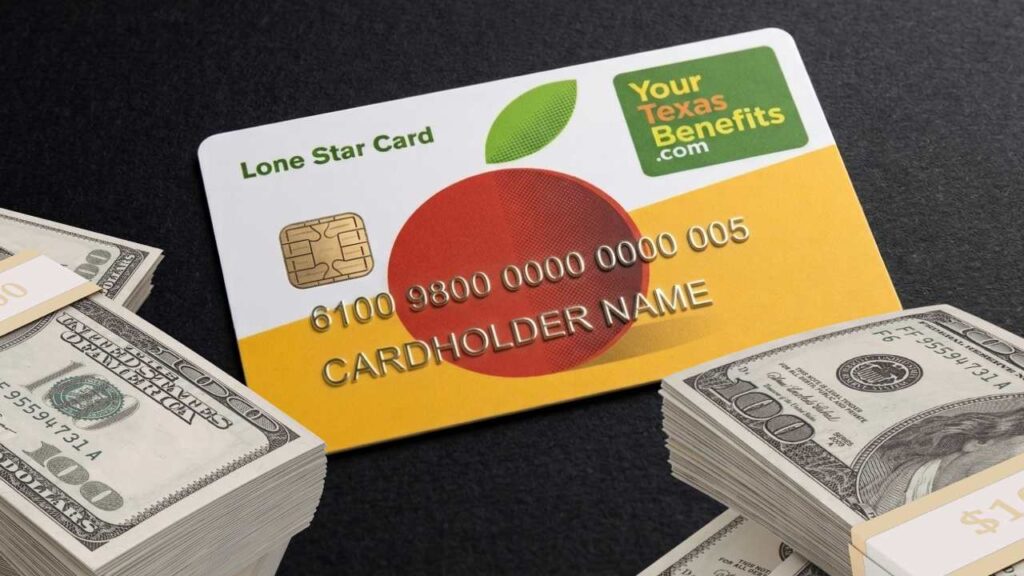
In Texas, the Supplemental Nutrition Assistance Program (SNAP Benefits) distributes benefits across almost the entire month. For May 2026, deposits begin on Friday, May 1, and conclude on Thursday, May 28.
No single payday exists for all recipients; instead, the Texas Health and Human Services Commission uses a staggered system built around each household’s Eligibility Determination Group number (EDG). The state splits the caseload into two large cohorts based on certification date, and the last one or two digits of the EDG number then lock in the precise deposit date.
There Are Two Groups of SNAP Benefits in Texas
The older cohort—households certified before June 1, 2020—receives benefits during the first half of the month, from the 1st through the 15th. Only the last digit of the EDG number matters for these cases. The schedule for this group is listed below.
- EDG ending in 0: May 1
- EDG ending in 1: May 3
- EDG ending in 2: May 5
- EDG ending in 3: May 6
- EDG ending in 4: May 7
- EDG ending in 5: May 9
- EDG ending in 6: May 11
- EDG ending in 7: May 12
- EDG ending in 8: May 13
- EDG ending in 9: May 15
how certification recency determines a pay window
A separate, much larger group consists of households certified on or after June 1, 2020. For these recipients, May benefits are loaded between the 16th and the 28th, and the last two digits of the EDG number control the exact date. This second half of the calendar unfolds as follows.
- EDG ending in 00–03: May 16
- EDG ending in 04–06: May 17
- EDG ending in 07–10: May 18
- EDG ending in 11–13: May 19
- EDG ending in 14–17: May 20
- EDG ending in 18–20: May 21
- EDG ending in 21–24: May 22
- EDG ending in 25–27: May 23
- EDG ending in 28–31: May 24
- EDG ending in 32–34: May 25
- EDG ending in 35–37: May 26
- EDG ending in 38–41: May 27
- EDG ending in 42–99: May 28
A Few Clarifications for SNAP Recipients in Texas
Across both cohorts, the same EDG digit never falls on a weekend date, which reflects the state’s practice of shifting deposits that would otherwise land on a Saturday or Sunday to the next available business day. Funds typically appear on the Lone Star Card by 6:00 a.m. Central Time on the assigned date.
The EDG number always appears on official correspondence from the Texas Health and Human Services Commission and stays fixed for the life of a case, so once a recipient knows the relevant last digit or digits, the monthly schedule becomes predictable.
Maximum SNAP Allotments for the 2026 Fiscal Year
The United States Department of Agriculture adjusts maximum allotments every October 1 to reflect the cost of the Thrifty Food Plan. The 2026 fiscal‑year figures—effective from October 1, 2025 through September 30, 2026—are therefore the values in effect for the May 2026 deposit. For Texas, which uses the 48‑state and District of Columbia scale, the monthly maximums are listed below.
- 1 person: $298
- 2 people: $546
- 3 people: $785
- 4 people: $994
- 5 people: $1,183
- 6 people: $1,421
- 7 people: $1,571
- Each additional person: $218
These figures represent the ceiling before any income deductions are applied. Actual benefits are calculated by subtracting 30 percent of the household’s net income from the maximum allotment for its size. Consequently, many recipients receive less than the published maximum.
Income Thresholds That Frame Eligibility
Gross income limits also reset with the fiscal year. To qualify for SNAP in Texas during the period that includes May 2026, a household must not exceed the following gross monthly income caps by household size.
- 1 person: $2,152
- 2 people: $2,909
- 3 people: $3,665
- 4 people: $4,421
- 5 people: $5,177
- 6 people: $5,934
- 7 people: $6,690
- Each additional person: $757
Exceptions for Certain Populations
Elderly and disabled households are subject to a higher gross‑income threshold—165% of the federal poverty level—which yields the same numbers listed above. Able‑bodied adults without dependents must also comply with work requirements, generally 20 hours per week of employment or approved training, to remain eligible beyond three months in a three‑year period.
Junk Food Restrictions Implemented April 1, 2026
Effective April 1, 2026, Texas prohibits the use of SNAP benefits to purchase a broad category of candy and sweetened drinks. The policy flows from Senate Bill 379, passed during the 89th Texas Legislature in 2025 and signed into law in June of that year.
The U.S. Department of Agriculture (USDA) granted a healthy foods waiver for the two‑year pilot, making Texas one of 22 states authorized to narrow the statutory definition of food that can be bought with SNAP dollars.
The Texas Health and Human Services Commission published binding guidance for retailers. The prohibited items are divided into two classes: candy and sweetened beverages.
prohibited candy and the fine print on ingredients:
- Candy bars
- Gum
- Taffy
- Nuts, raisins, or fruits that have been candied, crystallized, glazed, or coated with chocolate, yogurt, or caramel
Pantry staples such as baking sugar, chocolate chips, and sprinkles are explicitly excluded from the ban, as are sweet cereals, granola bars, ice cream, and trail mix:
- prohibited drinks and the 5‑gram threshold
- Nonalcoholic beverages made with water that contain 5 grams or more of added sugar per serving
- Nonalcoholic beverages made with water that contain any amount of artificial sweetener
A standard 12‑ounce can of Coca‑Cola carries 65 grams of sugar and is therefore ineligible. Coke Zero, which contains no sugar but includes artificial sweeteners, is likewise prohibited.
The guidance allows beverages that contain milk or milk‑substitute products, such as soy or rice milk, as well as drinks that derive more than 50 percent of their volume from vegetable or fruit juice. Medical‑grade electrolyte solutions like Pedialyte also remain eligible.