
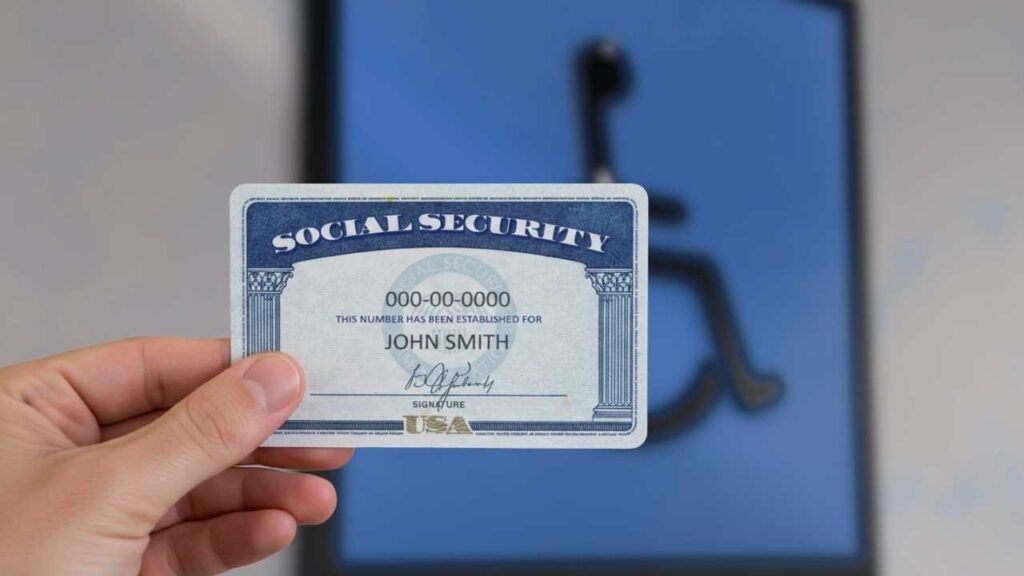
In May 2026, the Social Security Administration (SSA) will send out SSDI disability payments on four different dates. They’re still using the same birthday-based system that’s been in place since 1997. This isn’t a policy change — just the regular schedule they’ve used for decades to spread out payment processing.
The first payment date is May 1. That’s for two groups: people who started getting Social Security before May 1997, and those who get both SSDI and SSI. Everyone else who signed up after that cutoff gets paid strictly by birth date.
If you were born on the 1st through the 10th of any month, your payment comes on May 13. Birthdays from the 11th to the 20th get paid May 20. Born on the 21st to the 31st? You’ll see your money on May 27. Once you’re placed in a group, you stay there — no bouncing around under normal circumstances.
SSDI: What you’ll actually get in May
The maximum monthly SSDI benefit in 2026 is $4,152. But you only get that if you had consistently high earnings for 35 years of covered work. The average disabled worker gets about $1,630 a month, up from $1,586 in 2025. That’s thanks to the 2.8% cost-of-living adjustment that kicked in January 2026. That’s a little higher than 2025’s 2.5% and just above the long-term average of 2.6%.
This COLA applies across the board — SSDI, SSI, retirement, and dependent benefits. How much more you actually get depends on your current benefit. For example, if you were getting $2,500 a month in 2025, you’d go up to about $2,570 in 2026.
The SSA calculates your amount using your Average Indexed Monthly Earnings (AIME), which takes your 35 highest-earning years and adjusts for wage growth. For workers first eligible in 2026, the Primary Insurance Amount (PIA) formula uses two bend points: $1,286 and $7,749.
It’s a progressive system — lower-income workers get a higher share of their earnings replaced. If you have fewer than 35 years of covered work, those missing years count as zeros, and that drags down both your AIME and your final monthly benefit.
What it takes to qualify in 2026 (work credits and earnings limits)
To qualify for SSDI in 2026, you need enough work credits, and you have to be unable to do Substantial Gainful Activity (SGA). You earn one credit for every $1,890 in covered income, up to four credits per year. So hitting $7,560 in annual covered earnings maxes out your four credits for the year. If you’ve got fewer than 35 years of covered work, those missing years count as zeros and your benefit gets dinged.
The SGA threshold for 2026 is $1,690 a month for non-blind applicants (up from $1,620 in 2025). For blind applicants, it’s $2,830 (up from $2,700). If you’re applying and your gross monthly earnings are above those limits, they’ll deny you right off the bat — before they even look at your medical records. The SSA uses gross wages for employees and net earnings if you’re self-employed.
Already on SSDI and want to test going back to work?
You can use the Trial Work Period (TWP). Any month you earn over $1,210 counts toward a nine-month limit over a rolling 60-month window. During those nine months, you keep getting full SSDI no matter how much you earn.
Once the TWP ends, you get a 36-month Extended Period of Eligibility. In that period, you get benefits for any month your earnings stay below the SGA limit, and they’re suspended for months you go over it.
A note for people on both SSDI and SSI
If you get both benefits, your Social Security portion arrives on May 1. The SSI federal benefit rate for 2026 is $994 a month for an individual and $1,491 for a couple — also up by 2.8%. No matter which benefit you’re on, you absolutely have to report your monthly income accurately to the SSA. If you don’t report earnings that go above the limits, they will come after you for overpayments.
What to do if your payment is late
If your deposit doesn’t show up on time, don’t panic. First, wait at least three business days past the expected date. Then call your bank — most delays happen on their end, not at the SSA. If the bank says everything’s fine and the money still isn’t there, then call the SSA at 800-772-1213 or visit your local office.