
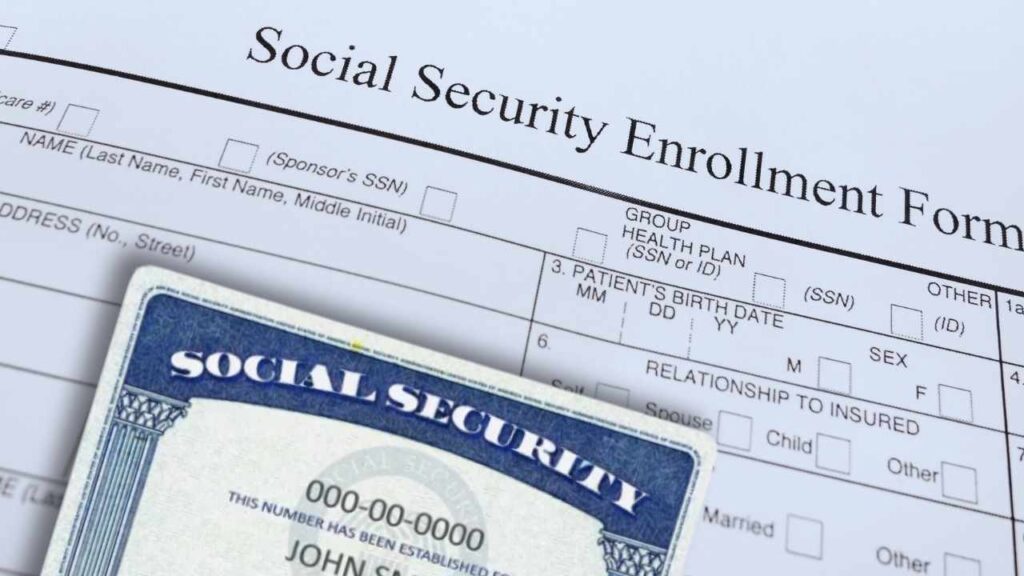
There is a minimum age established by law to access Social Security retirement benefits in the United States. That threshold is 62 years old, and although millions of workers choose it every year, the decision carries permanent consequences for the monthly income they will receive for the rest of their lives.
In 2026, with inflation still present in the economic debate and uncertainty surrounding the future of the retirement system, most Americans are not completely informed and aware of the consequences claiming retirement too early carries.
The Trap of Retiring at 62: What Social Security Doesn’t Tell You
The Social Security Administration (SSA) sets three key moments in a retiree’s life: age 62 as the entry point, Full Retirement Age (FRA) as the break-even mark, and age 70 as the ceiling for maximum accumulated benefits. Each of those moments has a direct and permanent impact on the monthly check. Choosing poorly, or choosing without information, can translate into tens of thousands of dollars less over the course of old age.
Anyone who decides to retire at 62 faces a permanent reduction of between 25% and 30% compared to the benefit they would have received by waiting until Full Retirement Age. That reduction is neither temporary nor reversible. It applies from the first payment and holds for the rest of the beneficiary’s life. For someone who lives 20 or 25 more years after retiring, that accumulated difference can exceed $100,000.
Why Wait for Your Full Retirement Age
Full Retirement Age (FRA) is not the same for everyone. In 2026, those born in 1959 must wait until age 66 and 10 months to receive their full benefit. For those born in 1960 or later, that threshold sits at 67 years old. Congress approved this gradual shift decades ago as part of a structural reform of the system, anticipating an aging population and mounting pressure on Social Security funds.
But the system also rewards patience. Every month a worker delays their application after reaching FRA, their benefit grows by an additional 0.67%.
The Huge Increase When You Wait to 70
That equals 8% per year. Someone who waits until 70 can receive between 24% and 32% more than if they had retired at full age. In concrete terms, that difference can mean several hundred dollars more per month for the rest of their life.
The decision of when to retire does not depend solely on math. Health, employment situation, access to other income, and immediate financial needs weigh just as heavily as actuarial calculations. Many workers who spent decades in physically demanding jobs do not have the real option of continuing to work until 67 or 70.
At the same time, those who claim early do not necessarily lose in absolute terms if they do not reach advanced ages. The so-called break-even point, the moment when the accumulated payments at full age surpass the accumulated payments from early retirement, is generally reached around age 78 or 80. For those who do not reach that age, retiring early may have been the smarter move.